Key Takeaways
- Driver fatigue, distraction, and speeding remain major contributors to truck-related crashes.
- Maintenance, inspection, and proper cargo procedures are necessary for safe transportation.
- Truck drivers, companies, and the general public all benefit from accident prevention initiatives.
Large trucks play a vital role in transporting goods across the country. However, their size and weight can lead to serious consequences in the event of an accident. While truck accidents can result from many factors, raising awareness about common causes is the first step toward building safer roadways for everyone. Working with a qualified truck accident lawyer in Memphis, TN can help those affected by such incidents better navigate the aftermath and understand their rights.
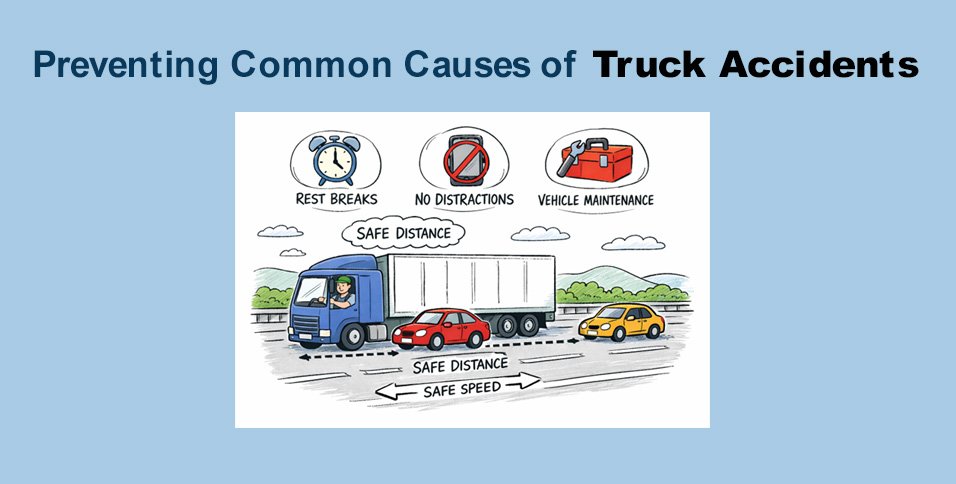
By understanding risk factors like driver fatigue, distracted driving, and improper vehicle maintenance, both truck operators and the driving public can adopt safer habits and contribute to accident prevention. Fostering a culture of safety, along with adherence to regulations and proactive vehicle care, can help minimize the severity and rate of these incidents on the road.
With the right preventive strategies, the number of serious incidents can be significantly reduced. This not only protects truck drivers but also those who share the road. Increasing awareness and responsible behavior are both essential in addressing these preventable risks.
Ensuring all road users are educated about truck safety is vital to avoiding devastating consequences and supporting a safer transportation system across communities nationwide. State and federal agencies regularly update best practices, so staying informed is an ongoing part of accident prevention efforts.
Driver Fatigue
Extended periods behind the wheel can leave drivers feeling exhausted. This fatigue significantly affects judgment, reaction time, and attention span. Even with regulations from the Federal Motor Carrier Safety Administration (FMCSA) that outline allowed service hours, some drivers and employers skirt the rules. Adhering to these guidelines and managing workloads are essential for both individual safety and public protection.
Fatigue is often compounded by strict delivery schedules, long distances, and inadequate rest areas for truckers. It is vital for companies to promote healthy sleep patterns and encourage drivers to recognize the signs of fatigue before it becomes dangerous. Trucking regulations exist for a reason, and both drivers and operators must prioritize rest to ensure alertness behind the wheel. Implementing rest breaks and sleep management programs can further help drivers remain vigilant during their routes.
Distracted Driving
Distraction remains a serious problem for truck drivers. This type of negligence occurs when drivers focus on mobile devices, navigation systems, eating, or adjusting in-cab settings. As trucks have longer stopping distances than passenger vehicles, even brief distractions can cause severe accidents. Strong company policies against phone use and regular training help reduce this danger. Public awareness programs emphasize the importance of minimizing distractions.
Emerging technologies, such as hands-free devices and advanced driver-assist systems, can help minimize distractions. However, nothing replaces the importance of complete focus during vehicle operation. Families and employers must also stress the importance of attentive driving, making sure that both commercial and non-commercial drivers understand the risks and long-term consequences of distracted driving.
Speeding and Aggressive Driving
Speeding greatly increases the risk of truck crashes. When trucks exceed posted speed limits or engage in aggressive behavior, the potential for catastrophic collisions grows, as their massive size requires greater stopping distances. Emphasizing speed control and patient driving practices can play a major role in improving safety for all motorists.
Additionally, aggressive driving behaviors such as tailgating, erratic lane changes, and failure to yield can escalate dangerous situations. Trucking firms should foster a culture that teaches and rewards safe driving habits. The general public should also be aware that interacting with large trucks requires patience and understanding, including giving trucks plenty of space and avoiding abrupt actions in their vicinity.
Improper Cargo Loading
Cargo that is not loaded, balanced, or secured properly can shift quickly during transit. This can destabilize an otherwise well-maintained truck, causing rollovers or making recovery difficult during emergency maneuvers. Regular inspections, adherence to load limits, and the use of proper securing tools are key to preventing these avoidable hazards.
Poor Vehicle Maintenance
A well-maintained vehicle is less likely to break down unexpectedly or cause unforeseen accidents. Critical systems, such as brakes and tires, must be inspected regularly. Small mechanical issues, if neglected, may lead to dangerous situations. Businesses benefit from scheduled maintenance programs that address wear before it becomes a threat on the highway.
Preventive maintenance should extend not only to the essential engine and brake components but to lights, signals, mirrors, and safety equipment. Proactive maintenance can drastically reduce the risk of mechanical failures, lowering both the frequency and severity of accidents.
Adverse Weather Conditions
Rain, snow, ice, and fog make large vehicles more difficult to control. Reduced traction can increase both stopping distances and the risk of jackknifing or sliding. When weather conditions worsen, slowing down and leaving more space between vehicles can help reduce crash rates. Consulting weather advisories and planning accordingly are vital for safer travel.
Advanced weather monitoring technology and improved forecasting can equip drivers with up-to-date information to help them plan safer routes. Many trucking companies now offer weather alerts via automated systems directly to drivers on the road, increasing preparedness for sudden weather shifts and unsafe road conditions.
Preventive Measures
- Ongoing Training: Continuous driver education reinforces safe driving procedures and highlights new risks as regulations change.
- Regulatory Compliance: Following government-mandated guidelines on hours, cargo procedures, and maintenance helps keep roads safe.
- Investment in Technology: Using telematics, dash cameras, and real-time monitoring to identify risky behaviors before they lead to accidents.
- Community Engagement: Running information campaigns that explain truck blind spots and stopping distances to the general public is essential.
In addition, leveraging tools such as electronic logging devices (ELDs), collision-avoidance systems, and automatic emergency braking can further reduce incidents by assisting drivers in real time and ensuring regulatory compliance. Communities can also collaborate with local trucking organizations to promote awareness events, workshops, and public service campaigns.
Conclusion
Building safer roads is a collaborative effort. Truck drivers, trucking companies, and everyday motorists can all play an active part in preventing collisions. By embracing responsible operating habits, leveraging technology, and remaining attentive to changing conditions, we can make our roads safer for everyone. Through education, regulatory enforcement, and ongoing vigilance, the goal of reducing truck accident rates is within reach.
Ultimately, the responsibility to create safer highways is shared by everyone on the road. Whether you are behind the wheel of a commercial vehicle or a passenger car, remaining alert and informed about the unique challenges posed by large trucks will go a long way toward keeping yourself and others safe. Together, we can help prevent accidents and ensure safer journeys for all.