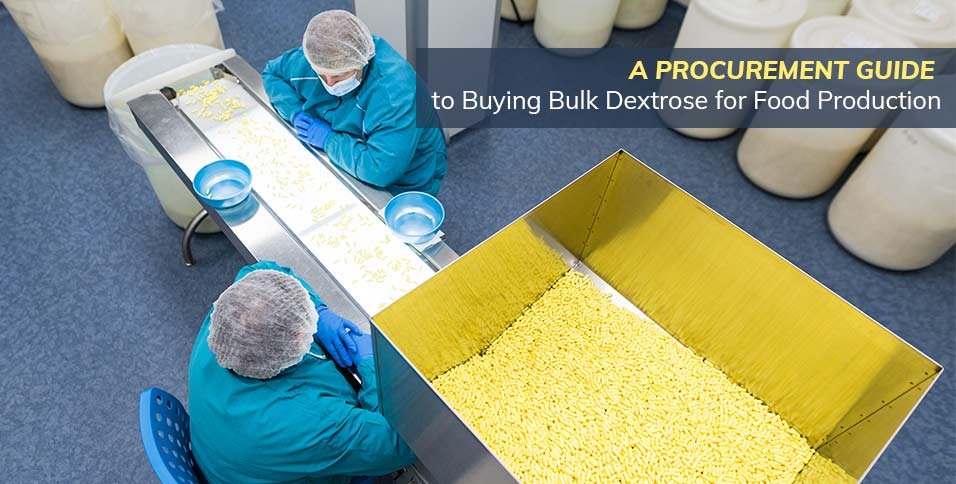
Bulk dextrose purchasing influences sweetness, fermentation rate, browning, texture, shelf stability, and plant costs. Food producers need more than a favorable price per pound. They need steady lots, clear records, dependable freight, and material that behaves correctly in each formula. A practical buying plan checks grade, form, moisture, particle profile, packaging, and supplier response before a purchase order is released.
Supplier Fit
Procurement teams often compare crystal form, moisture range, particle size, packaging, and shipment history before selecting a wholesale B2B dextrose supplier. That review helps match monohydrate or anhydrous material with bakery, beverage, dairy, brewing, or dry-blend operations while keeping quality files ready for internal review and customer audits.
Define the Application
Dextrose may support sweetness, browning, fermentation, bulking, or mouthfeel. Each role asks for a different material profile. Bakery formulas may need reliable yeast activity and color control. Dairy plants may focus on texture, freezing point, and clean flavor. Beverage makers often prioritize rapid dissolution.
Compare Product Forms
Dextrose monohydrate contains bound water and is suitable for many standard food applications. It is often found in baked goods, mixes, confectionery, and dairy products. Anhydrous dextrose carries less moisture, which helps where water balance is tight. Dry beverage bases, tablets, and sensitive blends may require that option.
Check Lot Documentation
A certificate of analysis should be reviewed before shipment release. Important fields include moisture, dextrose equivalent, appearance, particle size, microbiological results, and allergen status. Buyers should also request origin, manufacture date, shelf life, and storage guidance. Complete records reduce receiving delays.
Review Food Safety Needs
Food-grade dextrose must meet plant, customer, and regulatory standards. Supplier files may cover traceability, recall practices, transport sanitation, and third-party audit results. Packaging should protect powder from humidity, odors, pests, and physical damage. Receiving staff should inspect seals, pallets, labels, and the condition of the trailer.
Evaluate Off-Spec Lots
Some off-spec dextrose may still work in food production. A lot might vary in moisture, clarity, color, or particle size without creating a safety concern. Buyers should compare each deviation with formula tolerance, process limits, and labeling requirements. Savings matter only when performance holds.
Plan Storage Conditions
Dextrose should be stored in a cool, dry, clean area. Humidity can cause caking, poor flow, and handling losses. Strong odors may affect exposed powder, so storage near chemicals should be avoided. Inventory teams should rotate stock by manufacturer date and monitor torn bags.
Confirm Packaging Format
Bulk dextrose may arrive in bags, totes, supersacks, or truckload volumes. The right format depends on equipment, labor, storage room, and use rate. Smaller bags offer flexibility but add handling. Supersacks reduce touch points and suit larger runs. Confirm pallet pattern, net weight, and unloading needs.
Manage Freight Risk
Dextrose is vulnerable to moisture during transit. Carriers should provide clean, dry trailers and shield loads from rain during transfer. Delivery timing also matters because missed appointments can disrupt production. Procurement should align supplier stock, carrier capacity, and receiving hours before booking freight.
Track Factors That Drive Prices
Dextrose pricing can shift with corn prices, energy costs, freight rates, and regional supply. Contract buying may support budget control. Spot purchases can capture savings when surplus inventory becomes available. A balanced approach can serve both needs. Teams should compare landed cost, not just price per pound.
Create Scorecards for Each Supplier
A scorecard turns supplier performance into usable evidence. Helpful measures include on-time delivery, rejected loads, document accuracy, response time, and price consistency. Quality staff can add complaint history and corrective action speed. Regular review helps separate dependable partners from sources that create avoidable strain.
Conclusion
Buying bulk dextrose is a practical sourcing decision with direct effects on product quality, cost, and plant reliability. Better results come from matching form, grade, records, packaging, and freight planning to the real production use. Procurement teams should treat each lot as both an ingredient and a supply commitment. With clear checks in place, manufacturers can reduce avoidable risk and keep batches consistent.