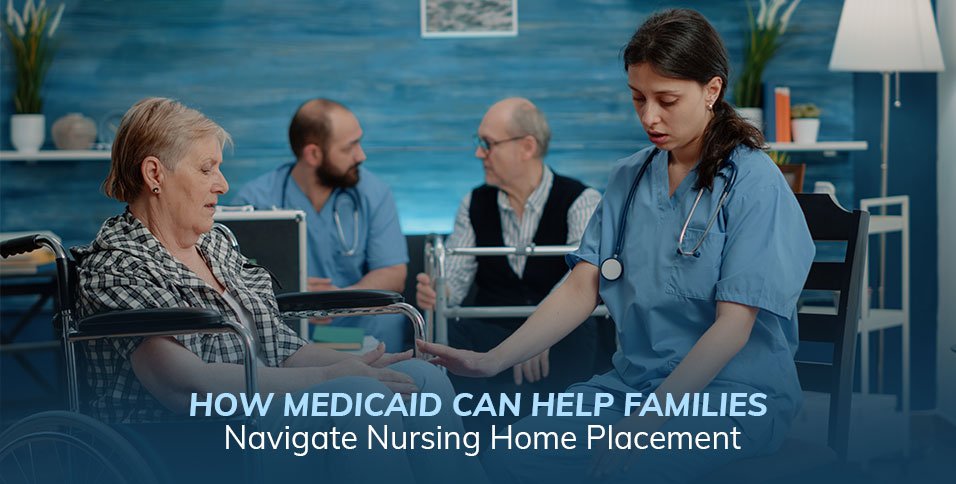
Nursing home placement often begins after a fall, hospital stay, stroke, dementia change, or steady loss of daily function. Families may face medical decisions while bills arrive quickly. Medicaid can help pay for long-term nursing care when health needs and financial rules are met. Thoughtful planning keeps attention on safety, dignity, medication support, mobility, nutrition, and the resident’s daily comfort.
Medicaid And Placement
Before admission, relatives should review care needs, income, assets, and bed availability together. A clear guide to medicaid nursing home placement can explain how coverage links to clinical assessments, spend-down timing, admission papers, and facility payment. That framework helps families compare homes with facts, rather than fear, pressure, or private monthly rates.
Why Care Level Matters
Medicaid nursing coverage usually requires a clinical need for facility care. That need may involve transfer assistance, wound care, memory supervision, medication administration, toileting help, or fall prevention. A formal assessment documents functional limits and safety risks. With that record, families can judge whether home services, assisted living, or skilled nursing fits the resident.
Medicare Is Different
Medicare and Medicaid serve different roles. Medicare may pay for short rehabilitation after a qualifying hospital stay, such as therapy after hip surgery. Long-term help with bathing, dressing, meals, and supervision is usually outside its scope. Medicaid can cover extended nursing home care when medical and financial standards are satisfied.
Financial Eligibility Basics
Medicaid reviews income, resources, transfers, insurance, and household status. Countable assets may include bank accounts, investments, and certain property interests. Some resources may be protected under state rules. Monthly income often goes toward the resident’s share of cost. Early document collection prevents avoidable delays during agency review.
Spend Down Planning
Some residents have savings above the allowed resource limit. Spend down means using excess funds for approved needs before eligibility starts. Acceptable uses may include medical bills, facility charges, dental work, clothing, or funeral arrangements. Gifts, undocumented payments, and rushed transfers can cause penalties. Receipts and bank records matter.
Married Couples
Spousal rules protect the partner who remains at home. Medicaid may allow that spouse to keep part of the couple’s income and resources. These safeguards help preserve housing, food, utilities, and basic living costs. Review should happen before admission when possible, because early financial choices can affect later eligibility.
Facility Choice
A suitable nursing home must meet the resident’s care needs, accept Medicaid, and have an available bed. Families should review staffing, inspection history, therapy access, infection control, meal support, and dementia care practices. Admission staff should also explain payment during any private-pay period before Medicaid approval begins.
Timing The Application
Application timing should match the expected eligibility date. Filing too early may lead to denial if resources remain above the limit. Filing late can leave facility bills unpaid. Families should track deposits, withdrawals, invoices, and benefit payments month by month. A written timeline keeps decisions grounded.
Records Families Need
Most applications require identification, insurance cards, Social Security letters, pension statements, bank records, deeds, vehicle titles, and authority documents. Agencies may also request proof of medical bills, transfers, or funeral contracts. Complete copies should match the requested months. Missing pages can slow approval.
Role Of The Facility
The nursing home usually confirms admission date, care level, room status, and billing details. Staff may send clinical forms to the state agency. Financial records still come from the resident or relatives. Regular contact between family members, facility billing staff, and advisers reduces confusion during review.
State Rules Vary
Medicaid gets funded through federal and state systems, but each state manages many details. Limits, forms, income rules, transfer reviews, and agency procedures differ by location. A family in New York may face different steps than one in Florida. Local guidance can prevent costly assumptions.
Common Mistakes
Problems often begin with informal payments, cash gifts, missing statements, or asset transfers made without advice. Some families believe the facility handles every part of Medicaid. That belief can leave financial proof incomplete. Written notes, organized records, and careful review protect the application from needless setbacks.
Better Family Decisions
Stronger decisions come from shared facts. Relatives should discuss care needs, available funds, preferred facilities, safety concerns, and deadlines early. This approach reduces conflict during a painful transition. It also keeps attention where it belongs, on the resident’s health, comfort, and steady access to appropriate nursing care.
Conclusion
Medicaid can turn a rushed nursing home crisis into a more organized care plan. It connects medical need, financial eligibility, facility admission, and documentation into one review process. Preparation remains essential. Families who gather records early, ask direct questions, and time the application carefully can protect allowed resources while helping a loved one receive dependable long-term care.