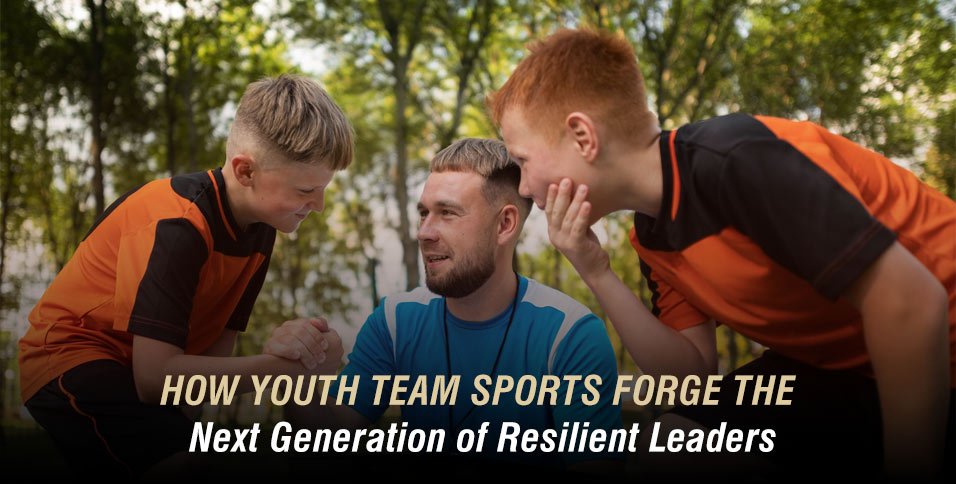
Raising children in today’s fast-paced, digitally driven world presents a unique set of challenges for career-focused parents. Between managing demanding work commitments and daily household responsibilities, finding effective ways to instil discipline, resilience, and leadership skills in children is a top priority. While many parents look to academic tutoring or advanced extracurricular clubs, one of the most powerful environments for early executive training is actually the local sports court. Organised team sports offer far more than just basic physical fitness. They act as a foundational training ground for the adaptable, resilient leaders of tomorrow, teaching lessons that simply cannot be replicated in a classroom setting.
The Realities of Screen Time and Healthy Routines
The modern childhood experience is becoming increasingly sedentary. According to data from the 2023 to 2024 National Nutrition and Physical Activity Survey, only 28 percent of Australian children aged five to 17 currently meet the national sedentary screen time recommendations. Furthermore, 60 percent of these children use screen-based devices in the hour immediately before bed, a habit that actively disrupts sleep hygiene and physical recovery. This lack of movement not only impacts their physical health but also stymies their social development.
Establishing structured physical activities is a proven way to combat this concerning trend. When parents help their children build active daily routines, they often find that the unexpected benefits of keeping healthy habits naturally decrease screen time while significantly reducing household stress. A tired, active child is far more likely to sleep soundly and wake up ready to tackle the day’s challenges.
Foundational Executive Training Through Play
Replacing digital consumption with active, structured play is exactly where youth team sports shine. In Australia, basketball has quickly emerged as a premier vehicle for this type of development. Recent AusPlay data reveals that basketball is now the country’s second most popular team sport, boasting over 1.3 million active participants nationwide. It also consistently ranks as the most requested sport within the Australian Government’s Sporting Schools Program.
Enrolling children in structured basketball lessons for kids provides them with a fast-paced, collaborative environment where they must learn to communicate clearly, share responsibilities, and make split-second decisions under pressure.
The transition from the classroom to the court helps children develop a variety of essential life skills. When young athletes participate in structured team sports, they naturally cultivate traits that hiring managers and business leaders actively look for in top talent. These critical developmental milestones include:
- Improved communication and active listening within a highly diverse team setting.
- Enhanced time management skills, as children learn to balance schoolwork with regular practice schedules.
- The ability to accept constructive feedback from coaches and apply those lessons in real time.
- Increased self-confidence derived from mastering new physical abilities and strategic game plans.
- Greater prosocial behaviour, teaching children how to support peers through collective challenges.
Building Emotional Intelligence and Psychological Strength
Effective leadership is not just about giving directions. It is fundamentally about managing emotions under pressure and recovering quickly from unexpected setbacks. Team sports provide a safe, controlled environment for children to experience both thrilling triumphs and frustrating failures. When a child misses a crucial shot or loses a championship game, they are forced to process their disappointment and try again. They learn that a single mistake does not define their overall performance or worth to the team.
As noted by Healthdirect Australia, participating in organised sport actively helps children develop patience, cope with unpleasant experiences, and become resilient. This psychological conditioning is absolutely vital for emotional regulation and long-term mental wellbeing, allowing young minds to build the necessary grit required for future adult challenges.
Setting Up for Future Career Success
The strong connection between childhood sports and adult career trajectories is clearly supported by recent data. A 2026 survey of over 9,000 professionals revealed that individuals who played youth sports for at least three years were 50 percent more likely to hold workplace leadership positions than non-athletes. Additionally, business sector surveys indicate that 57 percent of corporate leaders attribute their career success, discipline, and executive functioning skills directly to their early experiences in youth sports. The parallels between running a successful corporate project and executing a well-planned defensive sports strategy are undeniable.
Programs like She Hoops, championed by Australian basketball legend Lauren Jackson, have been highly instrumental in driving a recent 25 percent surge in female youth participation. This ensures that young girls are just as equipped for future executive roles as their male counterparts. The 2024 “Play to Lead” report reinforced this, finding that 73 percent of female executives cited teamwork learned through youth sports as their most valuable developmental takeaway.
Investing time and resources into youth team sports is about much more than keeping children entertained on the weekend. It is a highly strategic approach to parenting that shapes executive functioning, emotional intelligence, and unwavering resilience. By encouraging children to step onto the court and engage with a team, parents are giving them the exact tools they need to navigate the complexities of adulthood and lead with confidence.