Buying a boat is exciting, and it is easy to focus on the hull, the colour, and the price. But the technology and equipment on board shape almost every day you spend on the water. They decide how easy the boat is to drive, how well it finds its way, and how much you enjoy using it.
This guide covers the key marine technology and equipment to think about before you buy. A little research now can save money, time, and frustration later.
Start with Capacity and Engine Limits
Before you look at gadgets, look at the boat’s basic limits. Transport Canada explains that most pleasure craft up to 24 metres that can be fitted with an engine must display a compliance notice where it can be seen from the helm.
For boats up to six metres, the notice works as a capacity label. It shows the maximum number of people the boat can carry, and on outboard powered boats it also lists weight and horsepower limits. If a boat built after April 29, 2010 does not have a notice, you can ask the manufacturer or importer for one. Checking this early keeps you from choosing an engine that is too big or a boat that is too small for your plans.
Propulsion Technology That Matters
The engine is the heart of any boat, and modern engines are far more refined than older ones. Outboard motors are popular on small and midsize boats because they free up space and can be tilted out of the water for storage and service.
Look at how the engine is controlled. Drive by wire systems use electronic signals instead of mechanical cables to connect the helm to the engine. This usually means smoother throttle response and gear shifts, and it makes it easier to add other electronic controls later. Also compare fuel efficiency, noise, and how easy the engine is to service. A quiet, efficient engine makes a long day on the water much more relaxing.
Compare Equipment in Person
Reading specs is helpful, but seeing equipment in person is better. You can compare sizes, controls, and features side by side, and ask questions on the spot.
A dealer with a wide range makes this easier. Browsing marine equipment from Rockland Wheels shows how one type of technology appears across different power sizes. The page lists new Honda outboard motors with drive by wire controls, from the BF115 up to the BF250. Seeing the range helps you match an engine to your boat’s limits and to how you plan to use it.
Navigation and Electronics
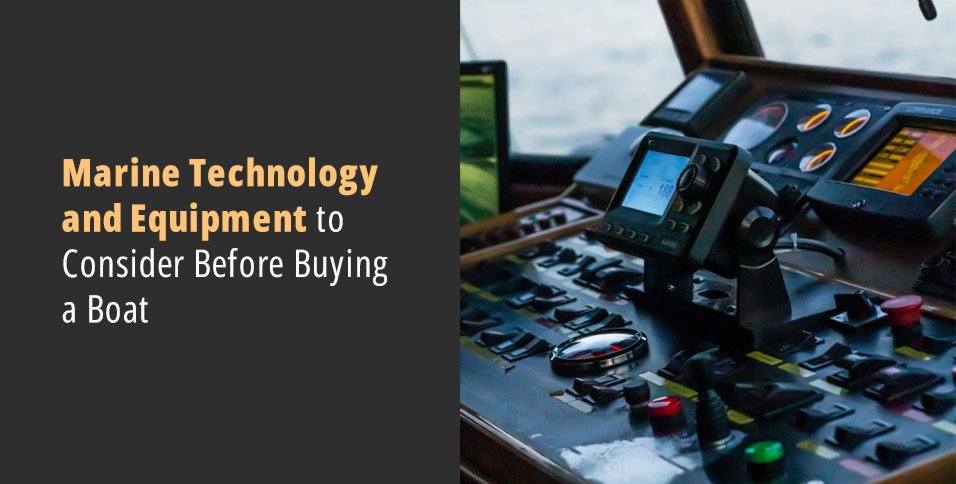
Electronics have changed boating for the better. A chartplotter combines GPS with electronic charts, so you can see your position, speed, and route on one screen. A depth sounder or fish finder shows what lies below the hull, which helps you avoid shallow spots and find fish.
A marine VHF radio is another smart choice. It lets you talk with other boats, marinas, and the Coast Guard, and you can use it to check weather reports. Many boaters also add an autopilot for long runs. When comparing screens, think about size, brightness in sunlight, and how easy the menus are to use with wet hands.
Power, Batteries, and Charging
Every electronic item needs power, so look closely at the electrical system. A good boat has a reliable starting battery and, ideally, a separate battery for accessories. That way, running your radio and lights will not drain the power you need to start the engine.
Ask what type of batteries the boat uses and how they charge. Lithium batteries are lighter and last longer than older types, but they cost more. If you plan to add a trolling motor, live wells, or more screens, make sure the system has room to grow.
Safety and Comfort Equipment
Some equipment is required by law, and some simply makes the boat nicer to use. Start with the essentials, such as lifejackets for everyone on board, a fire extinguisher, a sound signal, navigation lights, and a bilge pump or bailer. Check that each item is in good condition and easy to reach.
Then think about comfort. Shade, seating, storage, swim ladders, and cockpit lighting all add to the experience. Anglers may want rod holders and a live well, while families may want a bimini top and a cooler. Pick the extras that match how you will actually use the boat.
Plan for Service and Upgrades
Finally, think about life after the purchase. Ask where the boat and engine can be serviced, how often maintenance is needed, and whether parts are easy to get. Technology works best when it is looked after, and the right support makes ownership easier.
Also ask which systems can be upgraded later. A boat that lets you add electronics or swap equipment will stay useful as your needs change.
Final Thoughts
The best boat is one whose hull, engine, electronics, and equipment work well together. Check the capacity and engine limits first, choose propulsion that suits your needs, and add navigation and safety gear that you will actually use. Then compare options in person, ask plenty of questions, and plan for service. With the right choices, your boat will be ready for many good days on the water.