A well-designed furniture showroom is much more than a place to display products. It is a powerful sales tool that influences customer behavior, strengthens brand identity, and helps convert visitors into buyers. A well-placed table can draw attention and inspire customers to explore the rest of the collection. Whether you are opening a new furniture store or upgrading an existing retail space, investing in showroom design can significantly improve customer engagement and increase sales.
Modern consumers expect more than rows of furniture. They want to experience how products fit into real living spaces, interact with materials, and imagine the lifestyle your brand represents. A thoughtful showroom layout creates this experience while making it easier for customers to navigate and purchase.
In this guide, we’ll explore 10 proven furniture showroom design ideas that help attract more customers, improve shopping experiences, and maximize sales performance.
1. Create Lifestyle-Based Room Displays
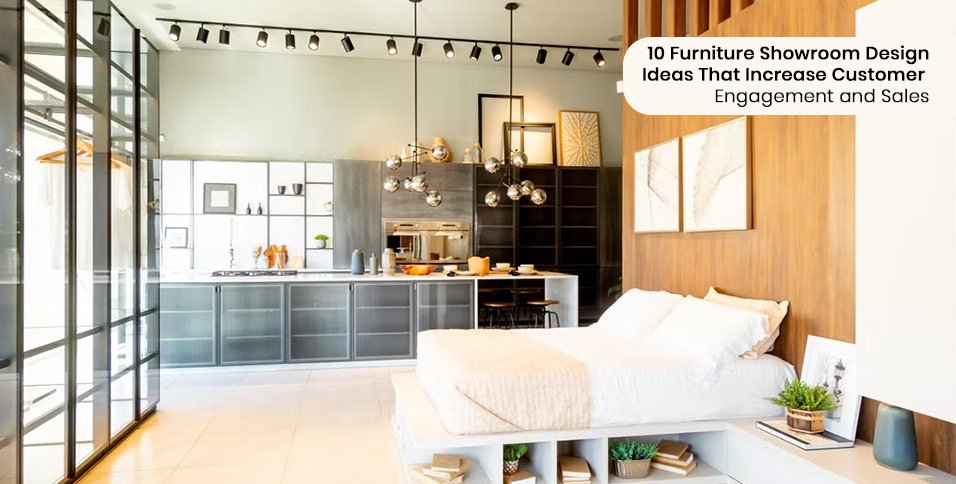
Instead of displaying individual products in isolation, arrange furniture into complete living environments. Design fully furnished living rooms, bedrooms, dining rooms, home offices, and kitchens that reflect different lifestyles.
Customers often struggle to visualize how separate pieces work together. Lifestyle displays solve this problem by showing complete design concepts.
For example:
- Modern minimalist apartments
- Luxury contemporary homes
- Scandinavian-inspired interiors
- Family-friendly living spaces
- Compact urban apartments
These realistic settings inspire buyers while encouraging larger purchases because customers are more likely to buy complete room solutions rather than single items.
2. Design a Customer-Friendly Traffic Flow
The best furniture showroom layouts naturally guide customers through the space without making them feel restricted.
A carefully planned circulation path helps visitors discover more products while avoiding congestion.
Consider these layout principles:
- Position best-selling collections near the entrance.
- Create wide walkways for comfortable browsing.
- Place complementary products together.
- End the customer journey with consultation areas.
- Keep sightlines open across the showroom.
Many successful showroom designs use a loop layout that encourages customers to explore every section before reaching the checkout or consultation area.
When customers spend more time inside your showroom, they typically engage with more products and make higher-value purchases.
3. Use Lighting to Highlight Products
Lighting dramatically affects how furniture looks and feels.
Instead of relying solely on general overhead lighting, combine multiple lighting layers:
- Ambient lighting for overall brightness
- Accent lighting for featured products
- Decorative lighting to create atmosphere
- Task lighting for workspaces and kitchens
Warm lighting often makes wood furniture appear richer, while cooler lighting complements contemporary collections.
Strategically illuminated displays naturally draw customer attention toward premium collections and promotional products.
4. Incorporate Interactive Digital Technology
Today’s customers expect an engaging shopping experience.
Digital tools make furniture shopping more informative and enjoyable while helping customers make purchasing decisions.
Popular technologies include:
- Interactive product catalogs
- Digital price displays
- Touchscreen design stations
- Augmented reality visualization
- AI-powered room planning software
These tools allow customers to customize colors, finishes, layouts, and dimensions without waiting for staff assistance.
Interactive experiences also increase customer confidence, resulting in higher conversion rates.
5. Create Instagram-Worthy Display Areas
Social media has become a powerful marketing channel for furniture retailers.
Design visually striking display areas that encourage customers to take photos and share them online.
Consider adding:
- Statement feature walls
- Unique lighting installations
- Seasonal room settings
- Designer furniture collections
- Branded photo spots
User-generated content provides free marketing while increasing your showroom’s online visibility.
A memorable showroom experience often extends far beyond the physical visit.
6. Optimize Product Grouping for Cross-Selling
Successful furniture retailers rarely display products individually.
Instead, group complementary items together to inspire additional purchases.
Examples include:
- Sofas with coffee tables
- Dining tables with lighting fixtures
- Beds with wardrobes
- Cabinets with kitchen accessories
- Office desks with ergonomic chairs
Cross-merchandising helps customers visualize complete spaces while naturally increasing average order value.
Displaying accessories alongside major furniture pieces also creates additional revenue opportunities with relatively low inventory costs.
7. Use Flexible Modular Displays
Furniture collections change regularly.
Your showroom should be flexible enough to accommodate new arrivals without requiring expensive renovations.
Modular display systems allow you to:
- Rearrange layouts quickly
- Update seasonal promotions
- Introduce new collections
- Host product launches
- Adapt to changing customer preferences
Movable walls, modular shelving, and adjustable display fixtures provide long-term flexibility while reducing remodeling expenses.
This approach keeps your showroom fresh and encourages repeat visits.
8. Design Comfortable Consultation Spaces
Furniture purchases often involve significant investment.
Customers appreciate having comfortable areas where they can discuss options, review materials, and finalize orders without feeling rushed.
An effective consultation area should include:
- Comfortable seating
- Material samples
- Digital presentation screens
- Product catalogs
- Privacy for detailed discussions
These spaces allow sales consultants to provide personalized recommendations and build stronger customer relationships.
Well-designed consultation areas often lead to higher closing rates, especially for custom furniture and cabinetry projects.
9. Highlight Customization Options
Modern customers increasingly seek personalized furniture solutions.
Rather than displaying only finished products, showcase available customization choices.
Create dedicated material libraries featuring:
- Wood finishes
- Door styles
- Fabric samples
- Countertop materials
- Hardware options
- Color palettes
Interactive sample walls encourage customers to touch materials and compare finishes.
This hands-on experience increases buyer confidence while emphasizing your company’s design capabilities.
Customization displays are particularly effective for cabinet manufacturers and made-to-order furniture businesses.
10. Build a Strong Brand Experience
Every element of your furniture showroom should reinforce your brand identity.
From signage and colors to staff uniforms and digital displays, consistency builds trust and professionalism.
Consider incorporating:
- Branded entrance displays
- Consistent interior color schemes
- High-quality graphics
- Educational product information
- Sustainability messaging
- Customer success stories
An immersive brand experience helps customers remember your showroom long after they leave.
Strong branding also differentiates your business from competitors, especially in crowded furniture markets.
Why Great Furniture Showroom Design Matters
A professionally designed furniture showroom delivers measurable business benefits beyond aesthetics.
Key advantages include:
- Increased customer dwell time
- Higher engagement with products
- Improved customer satisfaction
- Better sales conversion rates
- Larger average order values
- Stronger brand recognition
- Increased repeat business
- More social media exposure
For furniture dealers, manufacturers, and entrepreneurs, the showroom serves as the most important physical marketing asset.
Every design decision should support both customer experience and sales performance.
Conclusion
Creating a successful furniture showroom requires balancing functionality, aesthetics, and customer psychology. From lifestyle room settings and strategic lighting to interactive technology and flexible layouts, every element contributes to a better shopping experience.
Are you looking for cabinet dealer opportunities? OPPOLIA offers subsidies for showrooms, free sales training, AI-powered design tools, and local leads to its dealer partners. With entry investments starting at around $10,000, you can start your own cabinet business.
Whether you’re launching your first furniture showroom or expanding an existing retail network, OPPOLIA provides the resources and support needed to grow your business with confidence.
Learn more about the OPPOLIA dealership program and start your successful business today!