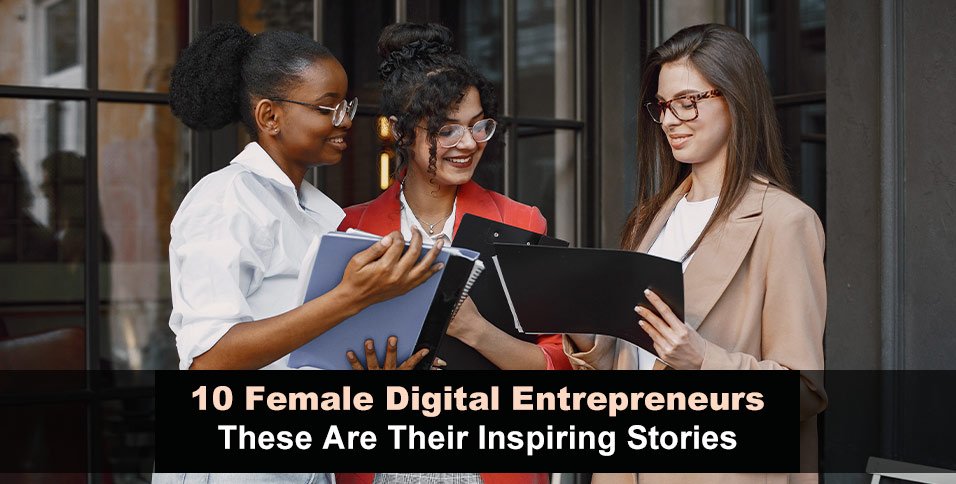
The digital economy has opened doors that didn’t exist a generation ago, and women around the world have walked through them with vision, grit, and a refusal to wait for permission. From solo founders building brands out of spare bedrooms to CEOs running eight-figure online businesses, female digital entrepreneurs are reshaping what leadership looks like in the modern age. Some started with nothing more than a laptop and a good idea. Others rebuilt their lives from scratch after setbacks that would have stopped most people cold, leaning on tools like a top credit repair merchant account option to rebuild their financial foundation while launching their first ventures. All of them have something worth learning from.
1. Sara Blakely
Before Spanx became a household name, Sara Blakely was selling fax machines door to door and writing her business plan on the floor of her apartment. She invested her entire savings of $5,000, was turned down by countless manufacturers, and somehow still built a billion-dollar company anyway. Her story is a masterclass in perseverance.
2. Sophia Amoruso
Sophia Amoruso started NastyGal as an eBay store in 2006, selling vintage clothing from her apartment. It grew into a $100 million brand before she faced serious setbacks. Rather than disappearing, she pivoted, founded Girlboss Media, and turned her hard-won lessons into a movement that continues to inspire millions of women in business.
3. Issa Rae
Issa Rae built an audience on YouTube before Hollywood came calling. Her web series Awkward Black Girl earned her a devoted fanbase and proved that independent digital content creation could be a serious career path. She leveraged that platform into a television deal, a production company, and a media empire built entirely on her own terms.
4. Marie Forleo
Marie Forleo built MarieTV and the online business school B-School from the ground up, creating one of the most recognized personal brands in the digital education space. Her philosophy that everything is figure-out-able became a bestselling book and a rallying cry for women who needed permission to bet on themselves.
5. Melyssa Griffin
Melyssa Griffin turned a Pinterest obsession into a seven-figure online education business, teaching entrepreneurs how to grow their audiences organically. She later shifted her focus toward helping people break free from hustle culture, proving that a business can evolve alongside its founder.
6. Jadah Sellner
Jadah Sellner co-founded Simple Green Smoothies, growing its Instagram following to over a million people and launching a successful book and challenge-based business model. She built community before building products, and the results proved that audience-first thinking works.
7. Rachel Rodgers
Rachel Rodgers built Hello Seven into a multimillion-dollar business coaching company focused specifically on helping women of color reach seven-figure incomes. She wrote a bestselling book, built a thriving membership community, and became one of the most recognizable voices in the online business space.
8. Amy Porterfield
Amy Porterfield left a corporate career to build an online education business teaching digital marketing and course creation. Her podcast has generated tens of millions of downloads, and her courses have helped thousands of women leave traditional jobs to build businesses of their own.
9. Latham Thomas
Latham Thomas founded Mama Glow, a maternal health and wellness platform that grew from a local practice into a globally recognized brand. She turned deep personal expertise into digital courses, content, and community that have impacted expectant mothers across the world.
10. Courtney Sanders
Courtney Sanders built a successful YouTube channel and online coaching business focused on helping ambitious women design lives aligned with their values. Starting from zero, she grew a loyal audience through consistency, authenticity, and a clear point of view that resonated far beyond her niche.
Every woman on this list started somewhere smaller than where she ended up. The common thread running through all ten stories is not luck or perfect timing. It is the decision to start, to keep going through the hard parts, and to build something that reflects who they actually are. In the digital economy, that combination remains the most powerful business strategy available.