As electric bikes continue to gain popularity across the United States, safety has become one of the most important considerations for both consumers and manufacturers. E-bikes offer a convenient, eco-friendly, and cost-effective transportation solution, but their increasing adoption has also brought greater attention to battery safety, charging systems, and product reliability.
Among the various standards available in the industry, UL certification has emerged as a critical benchmark for ensuring electric bike safety. For consumers looking to make informed purchasing decisions, understanding the significance of UL certification can help reduce risks while improving overall confidence in their investment.
Understanding UL Certification
UL (Underwriters Laboratories) is an independent safety science organization that develops and tests products against recognized safety standards. Within the electric bike industry, certifications such as UL 2849 and UL 2271 are designed to evaluate the safety of electrical systems and lithium-ion batteries.
These standards assess critical components including:
- Battery management systems
- Electrical wiring and connections
- Charging systems
- Fire and shock prevention measures
- Overall system integration
Products that meet UL requirements undergo rigorous testing to ensure they can operate safely under normal and foreseeable conditions.
Why Safety Standards Are More Important Than Ever
The rapid growth of the e-bike market has led to a wider range of products becoming available to consumers. While this increased competition has driven innovation, it has also highlighted the importance of choosing products that comply with established safety standards.
Reports of battery-related incidents have raised concerns among riders, property managers, and local authorities. As a result, many cities, retailers, and insurance providers are increasingly encouraging or requiring UL-certified electric mobility products.
For consumers, certification provides an additional layer of assurance that the product has been independently tested and evaluated for safety.
The Consumer Benefits of UL-Certified Electric Bikes
Purchasing a UL-certified e-bike offers several advantages:
Enhanced Battery Safety
Lithium-ion batteries are the heart of every electric bike. Certified battery systems undergo testing designed to minimize risks associated with overheating, short circuits, and thermal runaway.
Greater Reliability
Products that meet safety standards are typically built with higher-quality components and undergo more comprehensive quality-control procedures.
Increased Consumer Confidence
When riders know their e-bike has been tested by an independent organization, they can feel more confident about daily commuting, recreational riding, and long-distance travel.
Future Regulatory Compliance
As regulations continue to evolve, owning a certified e-bike may help consumers stay ahead of future safety requirements and marketplace expectations.
A Practical Example: Modern Safety Meets Everyday Performance
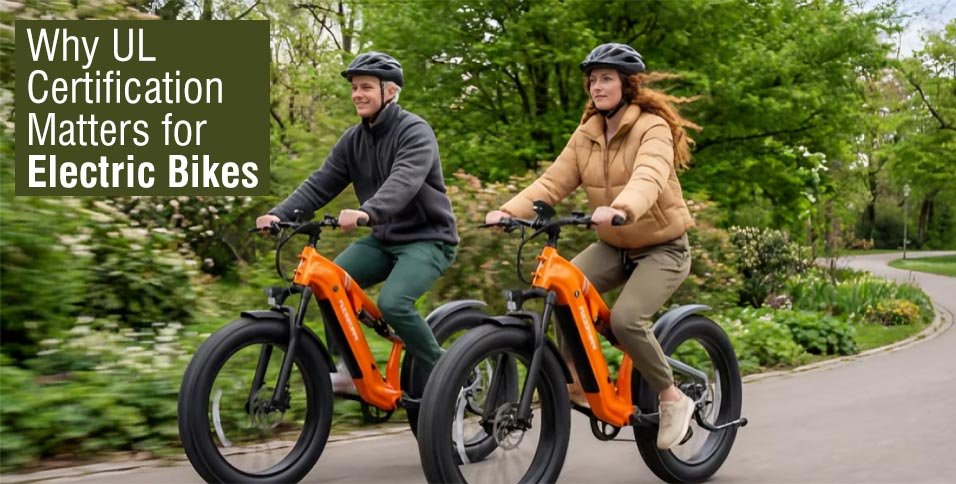
Many leading manufacturers are prioritizing safety alongside performance and rider comfort. One example is the Puckipuppy Boxer ST, a versatile fat tire electric bike designed for riders seeking both confidence and capability.
Built for urban commuting as well as recreational adventures, the Boxer ST combines a step-through frame design with wide fat tires that provide enhanced stability across a variety of terrains. Features such as a long-range battery system, powerful motor assistance, and rider-focused ergonomics make it an appealing choice for adults who want a dependable e-bike for everyday use.
As consumers increasingly prioritize safety and product quality, models from brands such as Puckipuppy demonstrate how manufacturers are working to balance performance, comfort, and compliance with recognized industry standards.
How to Identify a Safe Electric Bike
Before purchasing an electric bike, consumers should consider the following factors:
- Verify whether the battery and electrical system meet recognized safety standards.
- Purchase from reputable manufacturers with established customer support.
- Review warranty coverage and battery specifications.
- Follow manufacturer guidelines for charging, storage, and maintenance.
- Avoid aftermarket battery modifications that may compromise safety.
Taking these steps can significantly improve both the ownership experience and long-term reliability of an e-bike.
Looking Ahead
The future of electric mobility depends not only on innovation but also on trust. As consumers become more knowledgeable about battery technology and product safety, UL certification will continue to play a vital role in shaping purchasing decisions and industry standards.
For manufacturers, achieving compliance demonstrates a commitment to quality and consumer protection. For riders, it offers peace of mind that their electric bike has been designed with safety as a top priority.
As the e-bike market matures, UL certification is likely to become more than a competitive advantage—it may become an essential expectation for responsible electric bike ownership.