Small businesses face constant pressure to manage cash flow, meet customer expectations, and maintain smooth daily operations. Inventory sits at the center of all three. Too much stock locks up capital and increases storage costs. Too little stock leads to missed sales and frustrated customers. Careful control over inventory levels gives business owners clarity and stability.
A structured inventory approach allows small businesses to respond to demand without overextending resources. Clear tracking reduces guesswork. Planned purchasing prevents panic ordering. Organized storage makes fulfillment faster and more accurate. Strong inventory management builds confidence, supports growth, and keeps operations steady even during busy periods.
Why Inventory Management Matters
Inventory management refers to the structured process of ordering, storing, tracking, and replenishing goods. Accurate oversight ensures that stock levels align with customer demand. Reliable data helps business owners make informed decisions rather than relying on assumptions.
Financial performance improves when inventory stays balanced. Excess products increase holding costs and reduce available working capital. Shortages interrupt revenue and weaken customer trust. Consistent monitoring keeps both risks under control. Operational efficiency also depends on accurate inventory records. Sales teams need real-time availability data. Purchasing teams rely on correct counts to place timely orders.
Understanding Your Storage Needs
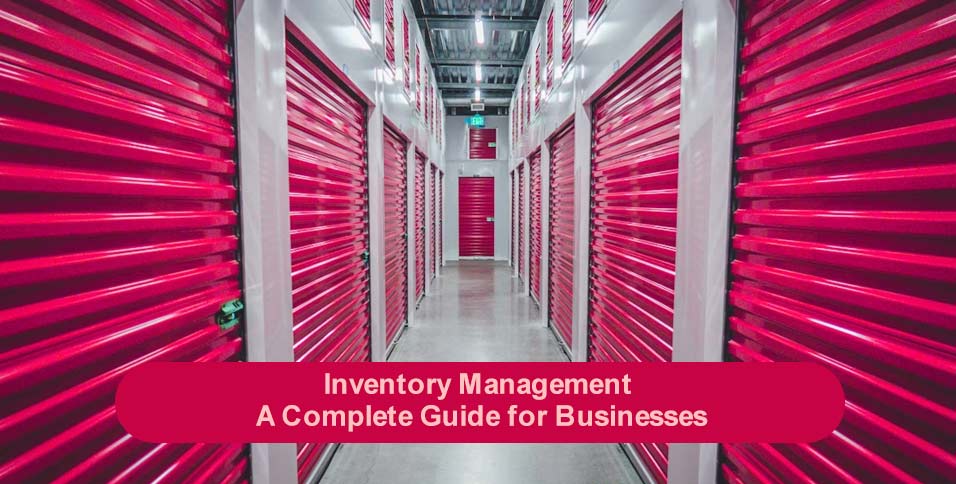
Storage plays a direct role in inventory efficiency. Products must remain protected, organized, and accessible. Limited in-house space can quickly create clutter, misplaced items, and delays in order fulfillment. Growing businesses often reach a point where external storage becomes necessary. Seasonal fluctuations may require additional space for short periods. Expanding product lines may exceed the capacity of a retail location or warehouse. Dedicated storage rentals offer flexibility without the expense of purchasing property.
Safe Storage Rentals offers a practical solution for businesses that need dependable off-site storage, allowing users to search, compare, and book storage units online while providing AI-driven safety ratings and transparent pricing data across multiple U.S. locations. The platform also allows reservations without requiring a credit card and gives businesses the ability to compare unit sizes, security features, and availability before making a decision. Organized storage improves visibility and reduces handling time. Clear labeling, consistent shelving systems, and documented layouts prevent confusion.
Categorizing Your Inventory
Effective inventory control begins with proper categorization. Products should be grouped based on sales frequency, value, or seasonality. Fast-moving items require closer monitoring than slower-selling goods. High-value items deserve tighter oversight than low-cost accessories.
Structured categorization helps prioritize attention. Managers can focus on products that generate the most revenue or carry the highest risk of stockouts. Slow-moving items become easier to identify and evaluate. Adjustments to purchasing decisions follow naturally when data is organized. Technology strengthens this process. Inventory software can tag items automatically and generate performance reports by category. Clear grouping supports better planning, reduces confusion, and keeps purchasing aligned with demand patterns.
Choosing the Right Inventory System
An appropriate inventory system depends on the size and complexity of the business. Small operations with limited products may begin with spreadsheets. Larger businesses benefit from barcode scanners and integrated inventory management software.
Scalability should guide the decision. A system must handle growth without becoming difficult to manage. Ease of use encourages consistent updates and accurate data entry. Real-time tracking improves decision-making and reduces manual errors. Integration with sales and accounting platforms enhances efficiency. Automated updates minimize discrepancies between physical stock and recorded quantities. A reliable system saves time and strengthens overall operational control.
Forecasting Demand Effectively
Demand forecasting connects inventory planning with actual customer behavior. Historical sales data provides a foundation for estimating future needs. Patterns often emerge through consistent review of monthly and seasonal trends.
Market conditions also influence demand. Promotional campaigns, economic shifts, and product launches can alter purchasing patterns. Careful analysis of these factors supports more accurate projections. Well-informed forecasts guide purchasing decisions with confidence. Inventory levels remain aligned with realistic expectations. Cash flow remains steady when stock reflects genuine demand. Thoughtful forecasting reduces uncertainty and helps businesses maintain consistent service levels.
Optimizing Reorder Points and Stock Levels
Clear reorder points prevent last-minute scrambling. A reorder point represents the inventory level at which a new purchase order should be placed. Careful calculation ensures that fresh stock arrives before existing units run out.
Lead time plays a key role in this process. Suppliers may require several days or weeks to deliver products. Sales velocity during that lead time must be factored into reorder decisions. Safety stock adds a protective buffer against unexpected demand spikes or shipping delays. Balanced stock levels reduce pressure on cash flow and storage space. Excess inventory increases holding costs. Insufficient inventory disrupts sales.
Tracking and Measuring Inventory Performance
Strong inventory management depends on regular monitoring. Accurate tracking confirms that recorded quantities match physical stock. Scheduled cycle counts help maintain data accuracy without interrupting daily operations.
Performance metrics provide valuable insight. Inventory turnover shows how quickly products sell within a specific period. Carrying costs reveal the expense associated with storing goods. Shrinkage rates highlight potential losses from damage or misplacement. Consistent reporting supports smarter adjustments. Slow-moving items become visible through data review. High-demand products receive attention before shortages occur.
Managing Seasonal and Fluctuating Demand
Seasonal patterns can significantly affect inventory levels. Retail businesses often experience predictable spikes during holidays or promotional events. Preparation allows companies to meet increased demand without creating long-term excess stock.
Temporary storage solutions can support seasonal growth. Additional space provides flexibility when inventory volumes rise. Short-term staffing and extended supplier coordination also help maintain smooth operations during peak periods. Unexpected demand shifts require adaptability. Close monitoring of sales trends allows businesses to respond quickly. Flexible purchasing arrangements and diversified suppliers reduce risk.
Inventory management serves as a foundation for operational stability and financial health. Clear tracking, organized storage, accurate forecasting, and structured reorder planning create a system that supports sustainable growth. Every stage, from categorization to performance measurement, contributes to better decision-making.
Small businesses benefit most when inventory processes remain simple, consistent, and data-driven. Organized storage protects products and improves accessibility. Reliable systems reduce errors. Thoughtful forecasting aligns stock levels with real demand. Strong inventory control reduces stress and builds confidence. Businesses that invest time in refining their processes gain better visibility, improved cash flow, and stronger customer satisfaction. Careful management transforms inventory from a daily challenge into a strategic advantage.