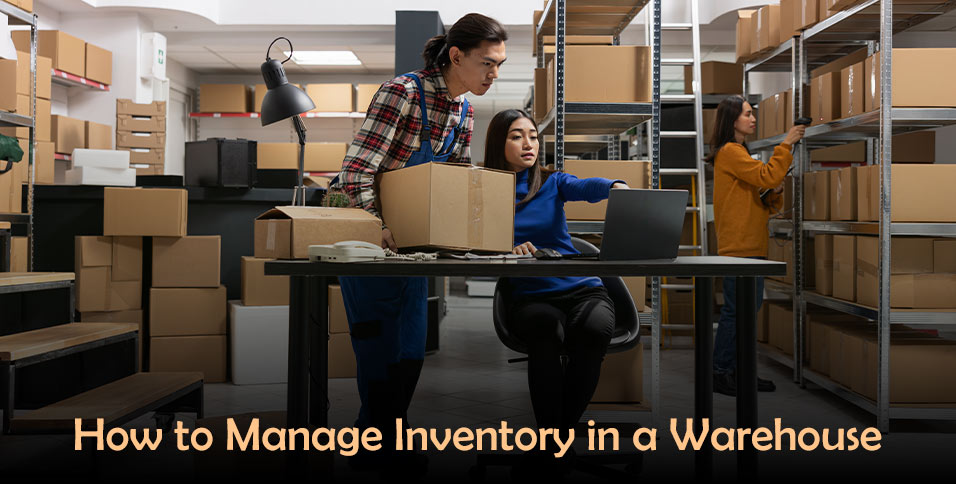
Managing inventory in a warehouse is more than just tracking items; it’s a strategy that affects efficiency and productivity. With the right systems and processes, warehouses can operate smoothly and meet customer needs without delays. Knowing how to manage inventory effectively can greatly improve business operations.
Effective inventory management includes several techniques to keep a warehouse organized. This ranges from routine stock checks to optimizing storage solutions. Using advanced equipment can significantly speed up the movement and management of goods. Let’s look at how to streamline your warehouse inventory management for better efficiency.
Stock Organization
How you organize inventory in a warehouse is key to efficiency. A well-structured layout reduces search times and improves picking accuracy. Consider using a clear labelling system for different sections to help staff find items quickly.
An effective organizational system also means categorizing inventory by factors such as product type, size, or movement frequency. Place fast-moving items closer to dispatch areas and store slow-moving stock further away. This setup saves time and reduces stress during peak demand.
Importance of Dock Lifts
In warehouse management, efficiency is essential. Dock lifts are important tools for moving goods between different levels of a facility. They make loading and unloading easier, allowing staff to handle heavy pallets and large containers with less effort.
With the right dock lifts, workers can move items safely and efficiently, reducing the need for heavy lifting. This speeds up operations and lessens fatigue, enabling staff to focus on other important tasks. Reliable dock lifts help maintain a steady flow of goods, which is key to meeting order deadlines and satisfying customer needs.
Inventory Tracking Systems
A reliable inventory tracking system is vital for managing stock levels. You can use traditional methods like spreadsheets or modern software. The important thing is to be consistent. Many businesses now use barcode scanning technology to provide real-time updates, eliminating the guesswork around stock levels.
These tracking systems help maintain accurate inventory records and assist in forecasting future needs. By looking at past sales data, you can predict trends and avoid overstocking or running out of items. Tracking provides insights that help businesses adjust purchasing and stock management strategies.
Receiving Goods Finesse
The receiving process is an important part of inventory management that is often overlooked. Inspecting goods upon arrival ensures that what is received matches the order. This practice helps prevent discrepancies and manage returns better.
Having a dedicated area for receiving goods makes a big difference. With enough space and a clear method for checking incoming shipments, you can minimize errors. This organization leads to a smoother transition from receiving to storage, enabling inventory to be quickly integrated into your existing stock.
Functionality of Hydraulic Lifts
Hydraulic lifts are a valuable addition to warehouse operations. They provide a strong solution for lifting and transporting heavy loads. These lifts use fluid mechanics to raise heavy weights easily, making them useful in warehouses with large machinery and equipment.
Using hydraulic lifts in your workflow can make processes more efficient. They improve access to items stored at different heights, reducing the time spent retrieving goods. Their smooth operation also creates a safer workplace by reducing the risk of accidents involving manual lifting of heavy loads.
Regular Audits and Checks
Regular inventory audits are critical for keeping accurate stock records. Scheduled audits help identify errors caused by shrinkage or misplacement, allowing you to fix them quickly. Regularly reviewing inventory helps you know what you have, enabling better decision-making.
Another benefit of regular audits is that they encourage staff accountability. When employees know their inventory practices are being checked, they take more care in their responsibilities. This increases efficiency and strengthens commitment to accurate inventory.
Staff Training and Engagement
Investing in staff training is vital for effective inventory management. Well-trained employees handle products and use equipment more efficiently. Organized training sessions help staff feel confident, leading to fewer mistakes and higher productivity.
Employee engagement is also important. Encouraging staff feedback can provide insights into improving current processes. Their experiences can highlight issues that management might not see, ultimately leading to a better inventory management system.
Overall, inventory management is closely linked to other warehouse operations. By focusing on efficiency and making small improvements, like using dock lifts and providing staff training, you can significantly enhance performance. Embrace these strategies, and your warehouse operations will thrive.