It usually starts small. You’re managing fine, maybe a few properties, some tenants, nothing too crazy. Then one day you realize you’re checking three different places just to confirm one payment. A tenant message gets buried. A document takes forever to find.
It’s not one big problem, it’s a lot of small ones adding up.
That’s exactly where RentPost comes in. In this guide, we’ll walk through those everyday pain points and how RentPost quietly takes care of them.
The Problem with Traditional Property Management
There’s no one, but many problems with traditional property management. Most setups don’t break, they just slowly get harder to manage. You start relying on spreadsheets, emails, notes, maybe a couple of tools that don’t really talk to each other. Rent gets recorded, but reports still need fixing.
A tenant calls, you try to remember the last update. Owners ask for statements, and you spend time manually compiling numbers.
Nothing feels completely off, but nothing feels smooth either. Every task needs a bit of extra effort, and that’s where the real friction starts showing up. And that’s where you feel the need for a “modern” property management solution.
What Makes “All-in-One” Actually Matter?
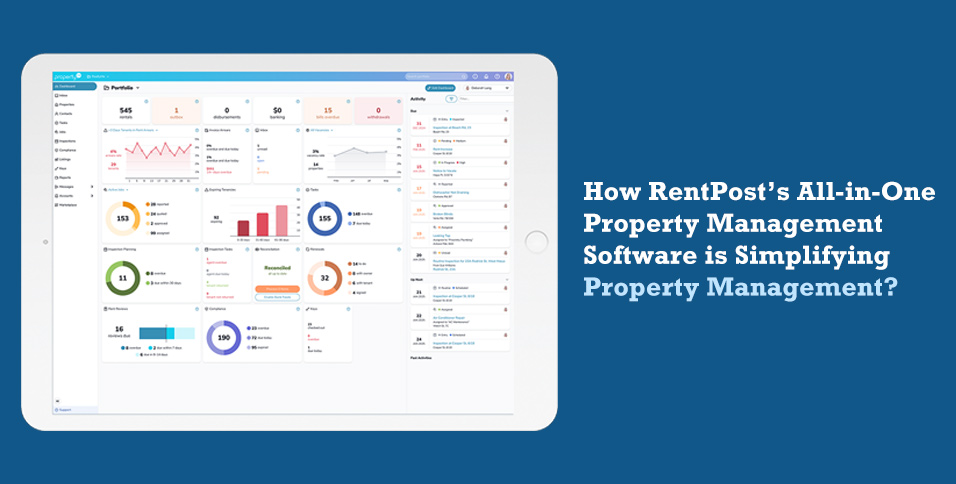
“All-in-one” sounds like a feature, but it only matters when you feel the difference in your day. When payments, tenants, documents, and messages all sit in one place, you stop switching tabs just to complete one task. You don’t have to remember where something was saved or who said what last.
Things move in a natural order, a tenant applies, gets approved, pays rent, raises a request, and it’s all tracked together. That’s when it clicks. It’s not about having everything, it’s about everything finally working together without extra effort.
How RentPost Simplifies Day-to-Day Operations?
Property managers will agree: it’s not the big tasks that drain you, it’s the constant switching, checking, and fixing small gaps. Using RentPost feels like those gaps slowly start disappearing. Things don’t pile up the same way anymore.
Centralized Trust Accounting
Earlier, checking finances meant going back and forth, bank, spreadsheet, notes. Even after that, there was always a doubt:
“Did I miss something?”
With trust accounting, that second-guessing reduces a lot. Each owner’s money sits separately, so there’s no mental math involved. When rent comes in or expenses go out, it reflects exactly where it should. Reports don’t feel like something you prepare, they’re already there, clean and ready when someone asks. That quiet clarity makes a big difference.
Seamless Tenant & Owner Management
A lot of time used to go in small conversations. “Can you send the payment receipt?” “What’s the update on this?” With tenant portals and owner management, those questions don’t come up as often. Tenants can see their own details, raise requests, track payments. Owners can check reports without waiting. It feels like everyone has access to what they need, without pulling you into every step. You’re still in control, just not stuck in the middle of everything.
Built-in Communication System
One of the most underrated problems is scattered communication. A tenant texts you, you reply later, then forget to update it somewhere else. With built-in messaging, conversations stay linked to the right person and property.
When you open it later, the full context is already there. No digging through chats or emails. It sounds small, but it saves those moments where you pause and think, “Wait, what was this about again?”
Task & Workflow Management
There are always things that don’t feel urgent but still matter, follow-ups, checks, reminders. These are the ones that usually slip. With task management, you can just put it down and trust it’ll come back at the right time.
Assigning tasks or setting schedules keeps things moving without you holding everything in your head. It brings a kind of rhythm where work doesn’t depend on memory anymore.
Document Storage That Actually Works
Finding documents used to be one of those frustrating parts. You know it exists, but not where. With Document Storage, files stay attached to the right place, tenant, property, or owner. So, when you open that profile, everything related is already there. No searching, no asking again. Even sharing feels easier because you’re not downloading and re-sending files again and again.
After using it for a while, the biggest shift isn’t just saving time. It’s when things stop feeling scattered in your head. You’re not constantly checking, reminding, or fixing. Work feels more steady, like it’s already in motion, and you’re just guiding it instead of holding it all together.
Who Should Consider RentPost?
Not every property management tool fits everyone, but RentPost starts making sense the moment things feel a little harder to manage than they should be.
If you’re an individual landlord handling a few properties, this is where it helps you stay ahead before things get messy. Instead of waiting for problems to show up, payments, documents, and tenant details already stay organized from day one. It gives you a clean structure early on, so growth doesn’t feel overwhelming later.
For growing portfolios, this is where the difference becomes more obvious. When you’re managing multiple tenants and owners, small gaps start showing up, missed follow-ups, unclear numbers, too many conversations. RentPost brings everything into one flow, so you’re not constantly switching or fixing things. It feels more stable, even as the workload increases.
Property management teams will notice it even more. When multiple people are involved, coordination becomes the real challenge. With shared access, task management, and clear communication, everyone stays on the same page without extra effort. Work doesn’t depend on constant updates or reminders.
In simple terms, if your day involves checking multiple places just to stay sure about things, RentPost is worth considering. It’s less about how many properties you manage, and more about how much clarity you want while managing them.
Real Shift: From Managing Tasks to Managing Properties
There comes a point one day where you realize you’re busy all day, but most of that time isn’t going into real decisions. It’s going into checking things, fixing small gaps, and making sure nothing was missed. The work gets done, but it doesn’t feel clean.
With RentPost, that starts to change quietly. You’re not chasing updates or piecing things together anymore. Payments show up where they should, conversations stay connected, and details don’t slip away in between.
So, your role shifts a little.
You’re not just keeping things running, you’re actually able to step back and see how everything is moving.
That’s when it starts feeling less like constant work, and more like something you’re actually managing with clarity.
Final Words
Property management always comes with its share of moving parts. That doesn’t really change. What can change is how heavy it all feels day to day. When things start falling into place on their own, you notice you’re not rushing through tasks or double-checking everything anymore.
If your current setup feels a bit scattered, it might be worth pausing and asking, does it actually support how you want to manage your properties, or just help you get through the day?