Most businesses plan for growth. New clients, bigger teams, maybe even larger facilities. What many companies don’t plan for—at least not enough—is what happens when something goes seriously wrong.
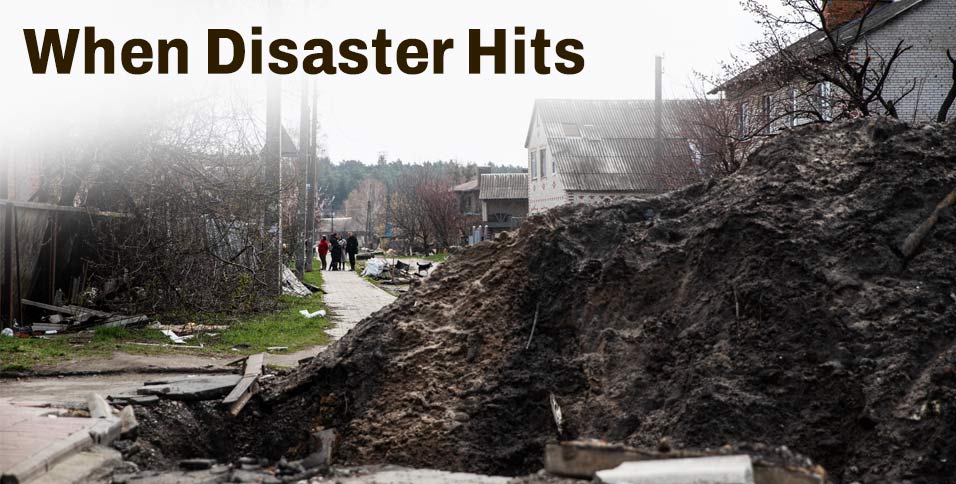
A fire in a warehouse. A major storm damaging equipment. Flooding that shuts down operations for weeks. These aren’t everyday events, but when they happen the financial impact can be enormous.
For large businesses with significant assets, this is where Industrial Special Risks (ISR) insurance becomes essential. It’s designed to protect companies from the kinds of operational losses that could otherwise bring everything to a halt.
And honestly, the bigger the business, the bigger the potential exposure.
What Is ISR Insurance?
ISR insurance is a specialized type of coverage designed primarily for medium to large businesses with substantial property assets.
Unlike basic property insurance policies, ISR policies are broader and more flexible. They’re built to cover complex operations, large facilities, and high-value assets under a single comprehensive structure.
Typically, ISR insurance protects things like:
- commercial buildings
- machinery and equipment
- stock and inventory
- infrastructure and fittings
- operational income affected by disruption
Rather than listing every possible risk individually, ISR policies often operate on a broader principle—covering physical loss or damage unless specifically excluded.
That wider scope can make a huge difference when unexpected events occur.
Protecting Physical Assets
For many businesses, physical assets represent years of investment.
Think about everything inside a manufacturing plant or distribution warehouse:
- machinery worth hundreds of thousands of dollars
- specialized production equipment
- large quantities of stock
- complex electrical systems
If a fire, storm, or accident damages those assets, replacing them quickly becomes a massive expense.
ISR insurance helps cover the cost of repairing or replacing damaged property so businesses can restore operations without carrying the entire financial burden themselves.
Without that protection, recovery could take far longer—or in some cases, might not be financially possible at all.
Coverage for Business Interruption
One of the biggest financial risks after a major incident isn’t just property damage—it’s downtime.
If a business can’t operate, revenue stops. But many expenses continue.
Staff wages, loan repayments, supplier commitments, and operating costs don’t simply pause because operations are interrupted.
ISR policies often include business interruption coverage, which helps businesses recover lost income while repairs are underway.
This type of protection can help cover:
- lost revenue during shutdown periods
- ongoing operating expenses
- temporary relocation costs
- additional expenses required to resume operations
In other words, it helps keep the business financially stable while things get back on track.
Handling Large-Scale Risks
Standard commercial insurance policies are often designed for smaller businesses. They may have coverage limits or restrictions that aren’t suitable for larger operations.
ISR policies are structured differently.
They’re built with the understanding that larger businesses face larger risks.
A single incident could affect:
- multiple buildings
- several production lines
- large amounts of inventory
- entire distribution networks
ISR insurance is designed to handle those bigger scenarios with higher coverage limits and broader protection.
This is why many large corporations, manufacturers, logistics companies, and property owners rely on ISR coverage.
Flexibility for Complex Operations
Another advantage of ISR insurance is flexibility.
Businesses rarely operate in simple environments. Facilities may contain multiple departments, different types of equipment, and complex operational systems.
ISR policies can be tailored to reflect those realities.
Coverage can be adjusted to include specific risks relevant to the business, such as:
- machinery breakdown
- accidental damage
- environmental risks
- infrastructure failure
Working with experienced providers, such as Smart’s (brand) ISR insurance, allows companies to structure policies that reflect the real risks associated with their operations.
Because every business environment is slightly different, that customization is often crucial.
Why Risk Planning Matters
The truth is, many businesses only think about insurance after something goes wrong.
But proactive planning is far more effective.
Assessing potential operational risks ahead of time allows companies to identify:
- vulnerable infrastructure
- high-value assets
- potential disruption scenarios
- financial exposure during downtime
From there, insurance policies can be structured to provide appropriate protection.
This approach doesn’t eliminate risk entirely—but it significantly reduces the financial shock if something unexpected happens.
Supporting Long-Term Stability
Insurance isn’t just about handling emergencies. It’s about maintaining long-term stability.
Businesses that have strong risk protection in place are often better positioned to recover quickly after major disruptions.
They can repair facilities faster, replace damaged equipment sooner, and continue serving clients with minimal interruption.
That resilience can protect reputation, customer relationships, and overall market position.
And in competitive industries, those advantages matter.
Final Thoughts
Operational disruptions are unpredictable. Even well-run businesses can face events outside their control—natural disasters, equipment failures, accidents, or infrastructure damage.
ISR insurance provides a layer of protection that helps businesses recover from these large-scale incidents without facing overwhelming financial losses.
By protecting assets, supporting business continuity, and covering major operational disruptions, brokers like Smart’s ISR insurance play a critical role in helping organizations stay resilient when the unexpected happens.
Because while growth is always the goal, stability is what keeps businesses standing when challenges appear.