Seasonal perfume trends are increasingly shaping how consumers around the world approach fragrance purchases. What was once a category dominated by signature, all-year scents has evolved into a more dynamic market where buying behaviour shifts with the seasons. From lighter compositions associated with warmer months to deeper, more intense fragrances preferred during colder periods, consumers are aligning their scent choices with climate, mood, and lifestyle changes. This evolution is transforming perfume from a one-time purchase into a recurring, season-driven decision.
Seasonal Fragrance Shopping Becomes Mainstream
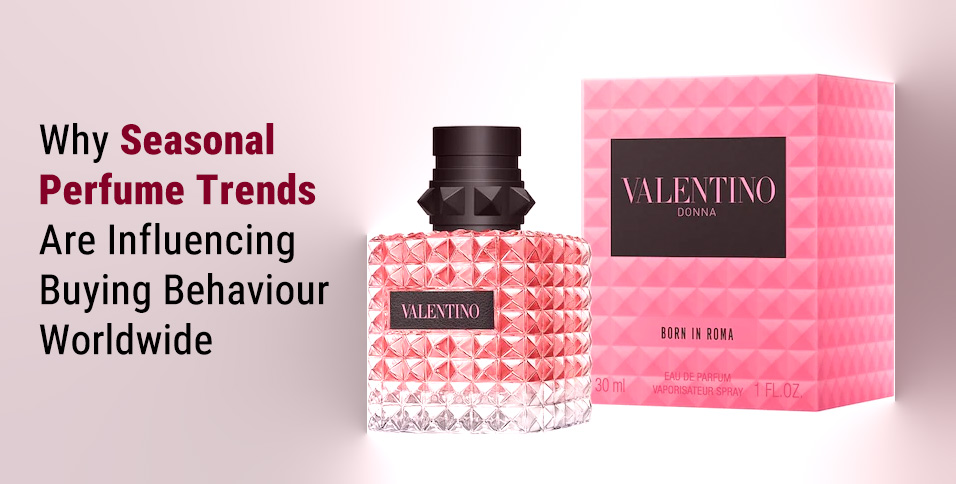
The concept of changing perfumes with the seasons has moved firmly into the mainstream. Consumers today actively look for scents that feel appropriate for specific times of year, often refreshing their collection as weather and routines change. Interest in popular fragrances such as Valentino Born in Roma reflects how seasonal demand can drive spikes in searches and sales during particular periods. This behaviour signals a broader shift in mindset, where fragrance is viewed as part of a seasonal wardrobe rather than a static personal item.
Retailers and brands have adapted quickly, structuring launches and promotions around seasonal calendars in much the same way as fashion and beauty industries have done for years.
Psychological Link Between Scent and Season
Fragrance has a powerful psychological connection to memory, emotion, and environment. Seasonal perfume trends tap directly into this relationship. Fresh, airy scents often evoke feelings of freedom and energy associated with spring and summer, while warmer, richer compositions are linked to comfort and intimacy during autumn and winter.
Consumers subconsciously respond to these associations, choosing perfumes that match how they feel or want to feel at different times of the year. Buying a seasonal scent becomes a way to mark change, reset routines, and emotionally align with the environment around them.
Climate and Regional Influence on Preferences
Climate plays a significant role in shaping seasonal buying behaviour. In regions with distinct seasonal changes, consumers tend to rotate fragrances more frequently. Lighter perfumes are favoured in hot, humid conditions, while stronger, longer-lasting scents perform better in cooler climates.
Global travel and digital exposure have also broadened awareness of how fragrance interacts with weather. Consumers increasingly understand that a perfume’s performance can vary depending on temperature, influencing more deliberate, season-based purchasing decisions.
Social Media’s Role in Shaping Seasonal Trends
Social media has accelerated the impact of seasonal perfume trends. Platforms such as Instagram, TikTok, and YouTube are filled with content focused on seasonal recommendations, including “summer scents,” “winter perfumes,” and transitional fragrance guides. Influencers and fragrance reviewers play a key role in reinforcing the idea that scent should change with the seasons.
This constant exposure normalises owning multiple perfumes and encourages experimentation. Consumers who may have previously relied on a single fragrance are now influenced by digital narratives that promote seasonal variety as both fashionable and practical.
Retail Strategies Built Around the Seasons
Retailers have embraced seasonal perfume trends as a way to drive engagement and repeat purchases. Online and in-store displays are increasingly organised around seasonal themes, making it easier for consumers to discover fragrances suited to the current time of year.
Limited-edition releases, seasonal gift sets, and themed promotions create urgency and relevance. By aligning fragrance marketing with seasonal cues, retailers tap into consumer emotions and encourage timely buying decisions rather than delayed or infrequent purchases.
Gifting Culture Reinforces Seasonal Buying
Seasonal perfume trends are closely linked to gifting behaviour. Certain times of year naturally prompt gift purchases, and fragrance remains a popular choice due to its personal yet versatile nature. Seasonal packaging and curated gift sets reinforce the idea that specific scents belong to specific moments.
This gifting culture supports consistent demand throughout the year, particularly during festive seasons and major holidays. Consumers often discover new perfumes through gifts, which can later influence their personal seasonal buying habits.
Shift Toward Fragrance Wardrobes
Modern consumers are increasingly building fragrance wardrobes rather than relying on a single signature scent. This approach reflects broader lifestyle trends that prioritise variety, personalisation, and adaptability. Seasonal perfume trends provide a clear framework for this behaviour, guiding consumers toward different scent profiles throughout the year.
Younger buyers, in particular, embrace this flexibility. They view fragrance as an extension of personal style, adjusting scents to suit mood, setting, and season. This shift has increased overall engagement with the perfume category and encouraged more frequent purchasing.
Influence of Wellness and Lifestyle Trends
Wellness trends have also contributed to the rise of seasonal fragrance buying. Many consumers associate certain scents with relaxation, focus, or energy, aligning perfume choices with lifestyle goals. Lighter scents may complement active summer routines, while calming or grounding fragrances suit quieter winter months.
This wellness-driven perspective positions perfume as part of a self-care routine rather than a purely aesthetic choice. Seasonal trends naturally align with this mindset, as consumers seek scents that support how they want to feel at different times of the year.
Brand Innovation Responds to Seasonal Demand
Perfume brands are increasingly designing products with seasonality in mind. Seasonal launches, reformulations, and flanker releases allow brands to stay relevant and respond quickly to changing consumer preferences. These innovations keep the market fresh and encourage ongoing exploration.
By planning launches around seasonal cycles, brands can better predict demand and manage inventory more effectively. This strategic approach supports both creativity and commercial performance in a competitive global market.
Economic Considerations and Perceived Value
Despite economic uncertainty in many regions, seasonal perfume buying continues to grow. Perfume is often viewed as an affordable luxury, allowing consumers to indulge without committing to high-cost purchases. Seasonal promotions further enhance perceived value, making timely fragrance purchases feel both practical and rewarding.
Consumers may reduce spending in other areas, but they continue to allocate budget toward small indulgences that enhance daily life. Seasonal perfumes fit this pattern well, offering emotional satisfaction at a relatively accessible price point.
Global Outlook for Seasonal Perfume Trends
The influence of seasonal perfume trends on buying behaviour shows no signs of slowing. As digital discovery tools become more advanced and personalised recommendations improve, consumers are likely to receive even more season-specific fragrance suggestions based on location, weather, and preferences.
This integration of technology, lifestyle, and seasonality will further embed seasonal thinking into fragrance purchasing decisions. Brands and retailers that understand and anticipate these patterns will be best positioned to capture sustained demand.