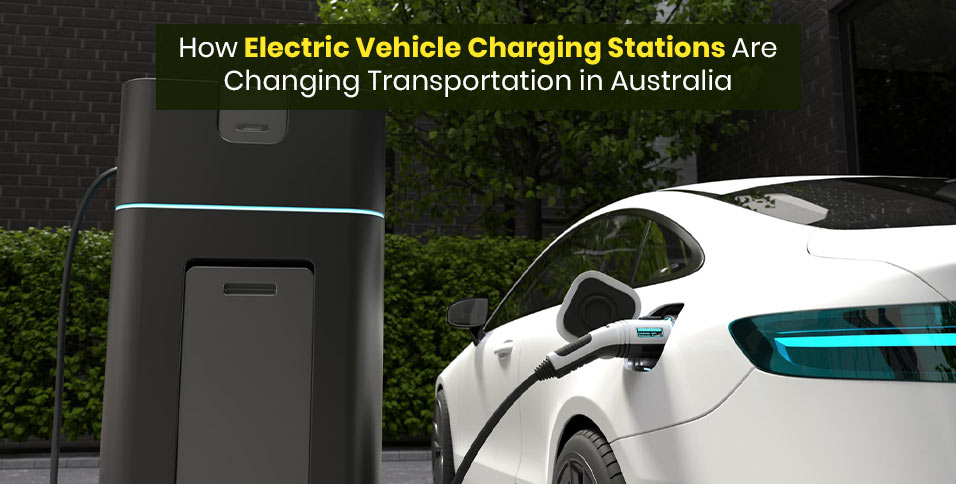
Electric vehicle (EV) charging stations are rapidly transforming the way Australians think about transportation.
As electric vehicles become more affordable and environmentally appealing, the rise of the electric car charging station is playing a critical role in accelerating the shift away from traditional petrol and diesel vehicles. From major cities to regional highways, this expanding charging infrastructure is reshaping mobility, sustainability, and the future of transport across Australia.
The Rise of Electric Vehicles in Australia
Australia has seen a steady increase in electric vehicle adoption over recent years. Government incentives, growing environmental awareness, and improvements in battery technology have made EVs more attractive to everyday drivers. However, widespread adoption would not be possible without a reliable and accessible network of charging stations.
EV charging infrastructure addresses one of the most common concerns among drivers: range anxiety. Knowing that charging stations are readily available along highways, in shopping centres, workplaces, and residential areas gives drivers confidence to switch to electric vehicles.
Expanding Charging Infrastructure Nationwide
One of the most significant changes in transportation is the rapid expansion of EV charging stations across Australia. Fast-charging networks are now being installed along major transport routes such as the Hume Highway and Pacific Highway, making long-distance travel in electric vehicles more practical than ever.
Urban areas are also seeing a surge in public charging points. Shopping centres, hotels, car parks, and apartment complexes are increasingly offering EV charging facilities as a standard amenity. This accessibility is helping to normalise electric vehicles and integrate them seamlessly into everyday life.
Supporting Sustainable and Low-Emission Transport
EV charging stations are at the heart of Australia’s push towards cleaner and more sustainable transport. Transportation is a major contributor to greenhouse gas emissions, and replacing internal combustion engines with electric vehicles can significantly reduce carbon output—especially when charging is powered by renewable energy.
Many charging stations are now being paired with solar power and battery storage systems, further reducing environmental impact. This shift supports Australia’s broader climate goals and aligns with growing public demand for greener transport solutions.
Changing Urban Planning and Infrastructure Design
The rise of electric vehicle charging stations is also influencing how cities and communities are designed. Urban planners and developers are now required to consider EV infrastructure in new residential and commercial developments. Building codes and local council regulations increasingly mandate EV-ready parking spaces, future-proofing properties and transport systems.
Public transport hubs are also integrating charging facilities, supporting the electrification of buses, rideshare vehicles, and delivery fleets. This is helping to reduce noise pollution and improve air quality in densely populated areas.
Economic and Technological Opportunities
The expansion of EV charging stations is creating new economic opportunities across Australia. From manufacturing and installation to software development and maintenance, the EV charging industry is generating jobs and encouraging innovation.
Smart charging technology is another major development. Many modern charging stations offer real-time monitoring, mobile app integration, and dynamic pricing, allowing users to manage charging times efficiently. This technology also helps balance electricity demand and supports a more resilient energy grid.
The Future of Transportation
Electric vehicle charging stations are not just supporting a trend—they are driving a fundamental transformation in transportation. As charging becomes faster, smarter, and more widespread, electric vehicles will continue to replace conventional cars at an accelerating pace.
For Australian drivers, this means lower running costs, reduced environmental impact, and a more sustainable transport future. For businesses and governments, it represents an opportunity to invest in infrastructure that supports long-term economic growth and environmental responsibility.
Conclusion
Electric vehicle charging stations are changing transportation in Australia by making electric vehicles practical, accessible, and sustainable. As infrastructure continues to expand and technology evolves, EV charging stations will remain a cornerstone of the nation’s transport transition. The road ahead is electric—and charging stations are powering the journey.