Frequent travel can disrupt even the most consistent training plan. Flights shift sleep, hotel gyms vary widely, and full workdays leave narrow windows for movement. Still, a solid routine is possible when travelers stop chasing perfect conditions and build around repeatable habits. The goal is not to copy a home gym schedule exactly. It is to preserve strength, mobility, and energy with smart planning, compact gear, and realistic sessions that fit the trip.
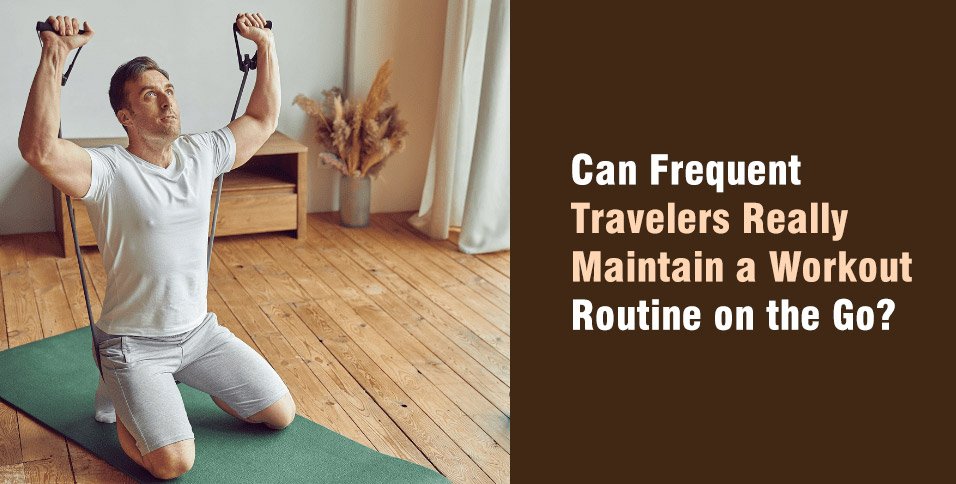
A practical travel plan starts with equipment that earns its space. Shoes, bands, handles, and a door-safe anchor can support pressing, rowing, hinging, squatting, and core work without filling a suitcase. Portable fitness equipment for people who travel can make resistance work easier to repeat, even when the nearest gym is limited, crowded, or closed.
Why Travel Breaks Routine
Travel changes the inputs that make training automatic. The usual commute, gym location, meal timing, and sleep schedule disappear at once. A person who trains before work at home may face an early flight, a late dinner, or a hotel without safe outdoor space.
Sleep research links schedule changes and fatigue with lower physical performance. Even one poor night can reduce motivation and the perception of effort. That matters because adherence depends less on willpower than on friction. The harder a session feels to start, the more likely it is to be skipped.
The fix is to reduce decisions. Travelers need a default plan for small rooms, tired days, and limited time. A simple structure beats an ideal program that requires perfect timing.
Set a Minimum Effective Dose
A travel routine should prioritize momentum. For most busy travelers, that means three to four short sessions per week, each lasting 20 to 35 minutes. This range is long enough for useful strength work, yet short enough to fit between meetings, meals, and transit.
The minimum plan should include five patterns: squat, hinge, push, pull, and carry or brace. These cover major muscle groups and keep training balanced. A session might use three rounds of split squats, band rows, pushups, hip hinges, and side planks. Rest periods can stay brief, around 30 to 60 seconds.
Intensity matters more than variety. Sets should finish with two to three good repetitions left in reserve. That level keeps effort high without creating soreness that interferes with walking, work, or sleep.
Pack for Full-Body Training
Compact gear should cover more than one movement pattern. Bands, handles, a stable anchor, and supportive shoes can fit beside work clothes. Those items allow rows, presses, curls, squats, hinges, and core drills without depending on hotel machines or crowded fitness rooms.
A hotel room is enough for real training if the plan respects space and noise. Slow tempos, pauses, and single-leg movements make light resistance feel harder. Jumping is optional and unwise when floors are thin or nearby guests are close at night.
Safety still matters. Door anchors should be placed on sturdy doors that close firmly. For loaded moves, furniture should only be used if it is stable. Clear the floor first, since shoes, cords, and luggage can create trip hazards.
Protect Recovery First
Training during travel is easier when recovery is treated as part of the routine. Hydration often drops during flights, and restaurant meals may be higher in sodium than usual. Carrying a water bottle and aiming for protein at each meal can reduce the swings that lead to low energy.
Sleep deserves the same attention. A consistent wind-down, dim screens, and a cool room can help after schedule changes. Caffeine should be timed carefully, since late use can impair the next day’s session.
Mobility work also helps frequent travelers. Prolonged sitting can tighten the hips, stiffen the upper back, and reduce ankle range of motion. Five minutes of hip flexor stretches, thoracic rotations, and calf work can make the next workout feel better.
Track What Matters
Track sessions completed, total weekly sets, average sleep, daily steps, and energy level. These measures show whether the plan supports health.
Conclusion
Frequent travelers can maintain a workout routine, but the plan must align with travel realities. Short sessions, compact gear, balanced movement patterns, and basic recovery habits make training repeatable outside a normal gym. The best routine is the one that survives delayed flights, small rooms, and full calendars. With a clear minimum plan and flexible standards, travelers can protect strength, mobility, and confidence from one trip to the next over time.
Also Read: Essential Accessories for a Home Gym Setup: Must-Have Equipment to Maximize Your Workouts