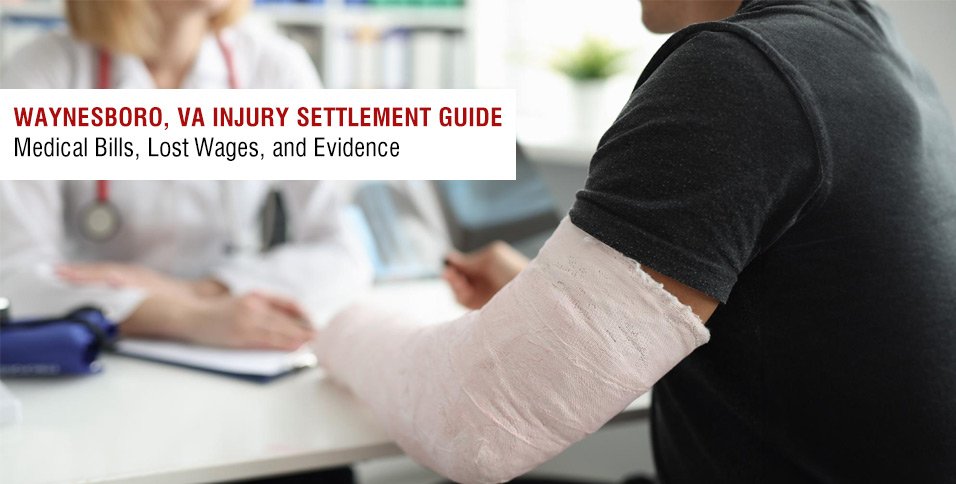
Getting hurt in an accident can leave you facing hospital bills, missed paychecks, and questions about what happens next. If you live in or around Waynesboro, Virginia, understanding how injury settlements work can help you make sound decisions during a stressful time. This guide walks you through the main pieces of a claim, including how medical costs and lost income factor into your recovery, what evidence matters, and the legal rules that shape your case under Virginia law.
How Virginia’s Fault Rules Affect Your Settlement
Virginia follows a strict standard called contributory negligence, and speaking with a Waynesboro personal injury lawyer early can help you understand how this rule applies to your situation. Under this doctrine, if you are found even one percent responsible for the accident, you may be barred from recovering any money at all.
This makes Virginia different from most states, which use comparative fault systems that reduce awards based on your share of blame. Because the stakes are so high, insurance companies often look for any reason to argue that you contributed to your own injuries.
Recovering Your Medical Bills
Medical expenses usually form the largest part of an injury settlement. You can seek reimbursement for emergency care, hospital stays, surgery, physical therapy, prescriptions, and future treatment that doctors expect you to need.
Keep every bill, receipt, and treatment record you receive. These documents show the full cost of your care and give the insurer a clear picture of what your recovery has required and what it may still demand.
Claiming Lost Wages and Reduced Earning Ability
The role of lost wages in settlements often becomes clear when an injury affects your ability to work. If your injuries kept you from working, you can request payment for the income you lost during that period. This includes hourly wages, salary, bonuses, and self-employment earnings you missed because of the accident.
Some injuries limit your ability to work going forward. When that happens, you may also claim reduced earning capacity, which accounts for the difference between what you could earn before and what you can earn now.
Building Strong Evidence for Your Claim
The strength of your settlement often depends on the proof you gather. Good documentation helps establish who was at fault and how the injury changed your daily life. Useful evidence includes:
- Photographs of the scene, vehicles, and visible injuries
- The police report and any witness contact information
- Medical records tying your injuries to the accident
- Pay stubs or employer letters showing lost income
- A journal describing your pain and recovery over time
Collect this material as soon as possible, since memories fade and physical evidence can disappear. The more organized your file, the harder it becomes for an insurer to dispute your version of events.
Understanding the Filing Deadline
Virginia law sets a time limit for filing an injury lawsuit. Under Virginia Code Section 8.01-243, you generally have two years from the date of the accident to bring a personal injury claim.
Missing this deadline usually means losing your right to sue, no matter how serious your injuries are. Certain situations, such as injuries to minors, can change how the clock runs, so it helps to confirm your specific deadline with a legal professional.
How Settlements Come Together
Most injury claims resolve through negotiation rather than a courtroom trial. Your side presents the evidence and a demand for compensation, and the insurer responds with an offer that often starts low.
Settlement talks can move back and forth several times before both sides agree on a number. If negotiations stall, filing a lawsuit remains an option, and many cases still settle before reaching a verdict.
Weighing an Offer Before You Accept
An early settlement offer may not reflect the full value of your losses. Once you sign a release, you typically give up the right to seek more money later, even if new medical problems appear.
Take time to understand your total costs, including future care and long-term wage effects, before agreeing to any figure. A careful review protects you from settling for less than your claim is worth.
Taking the Next Step Toward Recovery
An injury settlement in Waynesboro rests on three connected parts: documenting your medical expenses, proving your lost income, and preserving the evidence that ties everything back to the accident. Virginia’s contributory negligence rule and its two-year filing deadline make careful preparation especially important, since small mistakes can carry large consequences. By keeping thorough records and understanding your rights under state law, you place yourself in a stronger position to reach a fair resolution.