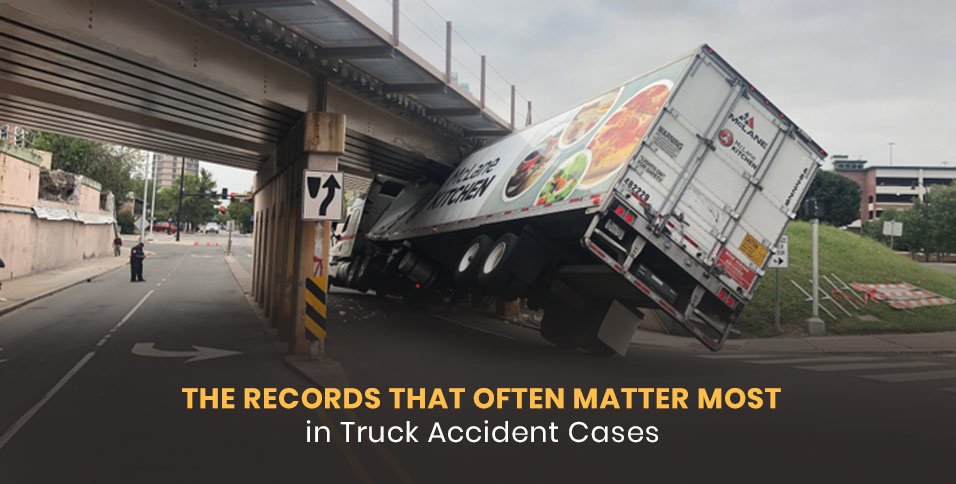
A truck accident leaves behind more than damaged vehicles and a busy roadway. It also creates a trail of records that can help explain what happened before, during, and after the collision. From official reports to medical documents, each piece of information can add another layer to the overall picture. A claim is rarely based on one single document because several details often work together. A truck accident attorney often reviews these records to understand the facts involved.
Here are the records that usually play an important role in reviewing truck accident cases.
Police Reports Help Establish the Initial Facts
A police report is often one of the first records created after a truck accident. It usually includes basic details about the crash, such as the location, time, vehicles involved, statements from drivers, and observations made by responding officers.
This report can provide an early summary of what happened at the accident scene. It may include information about road conditions, possible contributing factors, and details collected from people who were present.
However, a police report is only one part of the full picture. Other records, evidence, and information may also be reviewed to understand the circumstances surrounding the collision. Having multiple sources of information can create a clearer view of the events.
Medical Records Show the Extent of Injuries
Medical records are another important type of documentation in truck accident cases. They provide information about injuries, treatment received, and the care needed after the accident.
These records may include doctor visits, hospital documents, test results, and follow-up appointments. They help explain the connection between the accident and the injuries reported by the person involved.
Keeping medical documents organized can make it easier to track treatment details and related information. Even smaller records, such as appointment notes or medical bills, can become meaningful parts of the overall documentation.
A complete medical record gives a clearer understanding of the physical effects connected to the accident. It also helps create an accurate timeline of care after the collision.
Trucking Company and Driver Records Add Context
Truck accidents often involve commercial vehicles, which means additional records may be available for review. These documents can provide details about the truck, the driver, and the company responsible for its operation.
Some records that may be examined include:
- Driver qualification records
- Hours of service logs
- Vehicle maintenance records
- Inspection reports
Driver qualification records can provide information about training and background requirements. Hours of service logs may show details about driving schedules and rest periods. Maintenance records can offer information about how the vehicle was cared for before the accident.
These records help create a better understanding of the conditions surrounding a truck accident. They provide details that may not be visible from the accident scene alone.
Photos, Videos, and Witness Information Support the Timeline
Photos and videos often capture details that may change quickly after a truck accident. Images of vehicle damage, road conditions, traffic signs, and the surrounding area can preserve important information.
Witness statements can also add another perspective. People who saw the accident may provide details about what happened before or during the collision. Their observations can help fill gaps in the available information.
Combining visual evidence with written records creates a more complete timeline. A single photo or statement may not explain everything, but several pieces of evidence together can provide a clearer understanding of the situation.
Insurance and Repair Documents Complete the Financial Picture
Insurance records and repair documents help explain the financial side of a truck accident claim. These may include claim communications, repair estimates, invoices, and other related paperwork.
Keeping copies of emails, letters, and conversations with insurance companies can help maintain an organized record of the claim process. Repair documents may also show the cost of fixing vehicle damage and other related expenses.
Complete documentation often makes it easier to review the details of a claim. Organized records allow the available information to be examined more clearly instead of depending only on memory.
Final Word
Truck accident cases are often built through many different records working together. Police reports, medical documents, trucking records, photos, witness information, and insurance paperwork each provide valuable details about the circumstances involved.
No single record tells the entire story. The complete picture usually comes from reviewing different sources of information and understanding how they connect. A truck accident attorney can help evaluate the available documentation while considering the specific details of each case.
Keeping records organized from the beginning can make the review process easier to follow. Accurate information and careful preparation help create a clearer understanding of what happened and the factors involved in a truck accident claim.