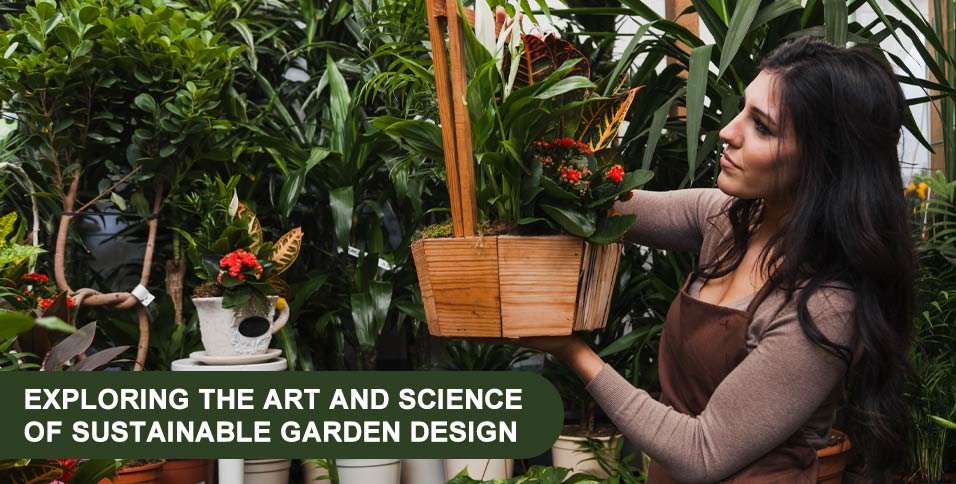
In a world increasingly aware of environmental impacts, sustainable garden design has emerged as a vital practice blending aesthetics, ecology, and innovation. The fusion of art and science in crafting gardens that not only appeal to the senses but also respect and enhance the environment is a growing trend. Sustainable garden design is about creating spaces that are not just visually pleasing, but also ecologically balanced and resource-efficient. This comprehensive approach is transforming the way we think about gardens, turning them into small ecosystems that support biodiversity, conserve resources, and provide a serene escape from the hustle and bustle of modern life.
THE PRINCIPLES OF SUSTAINABLE GARDEN DESIGN
Sustainable garden design hinges on several key principles aimed at minimizing environmental impact while maximizing ecological benefits. One of the primary principles is the use of native plants, which are naturally adapted to the local climate and soil conditions. This reduces the need for chemical fertilizers and excessive watering while providing habitat for local wildlife. Additionally, sustainable gardens often incorporate rainwater harvesting systems to reduce reliance on municipal water supplies.
Composting organic waste to enrich soil and reduce landfill use is another cornerstone of sustainable design. This practice not only nourishes the soil naturally but also decreases the garden’s carbon footprint. Implementing permaculture techniques, such as companion planting and crop rotation, can help maintain soil health and productivity. By focusing on these principles, designers can create gardens that thrive with minimal intervention, ultimately supporting a healthier planet.
THE ROLE OF TECHNOLOGY AND INNOVATION
As technology advances, it plays a crucial role in sustainable garden design. Innovations such as automated irrigation systems and smart garden monitors help optimize water usage and ensure plants receive optimal care. These technologies allow gardeners to adapt to changing weather patterns and reduce water waste, profoundly impacting sustainability.
Vertical gardens and hydroponics represent another leap forward in garden design. These methods allow for efficient space utilization, particularly in urban environments where traditional gardening space is limited. By using vertical surfaces and soilless agriculture, these innovative approaches promote healthy plant growth while conserving water and reducing land use. Collaborating with studios like rockwood garden studios, designers can integrate these technologies into aesthetically pleasing and highly functional garden layouts.
UNDERSTANDING THE ECOLOGICAL IMPACT
A sustainable garden is more than a collection of plants; it’s a vibrant ecosystem that supports life in myriad forms. Thoughtfully designed gardens can become sanctuaries for pollinators such as bees, butterflies, and birds, which are essential to maintaining biodiversity. By creating habitats that cater to these creatures, gardens contribute to the larger ecological network, promoting a balanced and flourishing environment.
Moreover, sustainable gardens play a vital role in carbon sequestration. Through photosynthesis, plants absorb carbon dioxide, helping to mitigate climate change. When integrated into urban settings, these gardens can improve air quality, reduce urban heat island effects, and improve the overall quality of life for city dwellers. The ecological benefits of sustainable garden design extend far beyond the garden’s perimeter, demonstrating the power of thoughtful design in addressing global environmental challenges.
THE AESTHETICS OF SUSTAINABILITY
While ecological considerations are paramount, the visual appeal of sustainable gardens cannot be overlooked. The art of creating these spaces lies in harmoniously blending function with beauty. Using diverse plant textures, colors, and seasonal variations, designers craft spaces that are both engaging and restful.
Hardscaping elements such as paths, walls, and water features are also critical in sustainable design, often constructed from recycled or locally sourced materials to reduce environmental impact. These elements not only enhance the garden’s beauty but also contribute to its functionality, guiding movement through the space and providing structural interest year-round. Through careful planning and creative vision, sustainable gardens artfully illustrate that environmental responsibility and aesthetic pleasure can coexist.
Relaxing After a Day in the Garden
Permaculture gardening is rewarding, but it also involves plenty of hands-on work throughout the seasons. After planting, pruning, or tending to your garden, taking time to relax outdoors helps you fully appreciate the sustainable space you’ve created.
Whether you’re enjoying your morning coffee on the patio or unwinding in the evening after gardening, a soft blanket from Saranoni adds warmth and comfort, making it easy to savor the peaceful surroundings of your thriving garden.
WATER CONSERVATION STRATEGIES
Water scarcity is a growing concern worldwide, making water conservation an essential component of sustainable garden design. Techniques such as rainwater harvesting, drought-tolerant plant selection, and efficient irrigation systems significantly reduce water use.
Incorporating mulch and organic matter into garden beds helps retain soil moisture, reducing the need for supplemental watering. Graywater systems, which recycle water from household uses for irrigation, are another innovative solution. By implementing these strategies, gardens can maintain health and beauty even in water-limited regions, demonstrating that sustainability in design can lead to resilience in practice.
THE ECONOMICS OF SUSTAINABLE GARDEN DESIGN
While sustainable gardens may initially require a higher investment, they often offer long-term economic benefits. By reducing reliance on chemical fertilizers and frequent watering, maintenance costs over time can be significantly decreased. Native plants are typically more resilient and require less care, translating into savings on gardening services and resources.
Moreover, sustainable gardens can increase property value and appeal. Homebuyers increasingly value eco-friendly features, seeing them as both financially and ethically attractive. By investing in sustainable garden design, property owners not only support environmental well-being but also enhance their property’s marketability and long-term value.
HEALTH AND WELL-BEING BENEFITS
Sustainable gardens provide a peaceful setting where people of all ages can stay active, reduce stress, and enjoy meaningful time outdoors. As individuals grow older, having accessible and thoughtfully designed green spaces can play an important role in maintaining physical mobility, emotional well-being, and overall quality of life.
For families planning environments that promote long-term comfort and independence, resources from Senior Planning offer valuable guidance on aging-related considerations. Combining sustainable outdoor design with practical long-term planning helps create living spaces that support health, safety, and well-being for years to come.
RISING TRENDS AND FUTURE DIRECTIONS
As environmental awareness continues to grow, so do the trends in sustainable garden design. Increasingly, gardens are seen as opportunities for education and community engagement. Schools, businesses, and community spaces are adopting sustainable gardens to teach and inspire future generations about environmental stewardship.
Innovative materials and techniques are continually being developed to push the boundaries of what is possible in garden design. The demand for sustainable and resilient landscapes will undoubtedly drive further advancements, expanding the scope and efficacy of these practices. In this evolving landscape, studios that offer cutting-edge sustainable solutions, like rockwood garden studios, are leading the way in transforming garden design.
CONCLUSION
Sustainable garden design is a dynamic field at the intersection of art, science, and ethics. Its principles of ecological balance, resource efficiency, and aesthetic harmony present a holistic approach to creating gardens that are as beautiful as they are beneficial. As awareness and technology evolve, so too will the methods and motivations behind sustainable gardening, paving the way for a greener and more sustainable future. Embracing these practices not only enhances our environments but also enriches our lives, reinforcing the deep connection between nature and humanity.