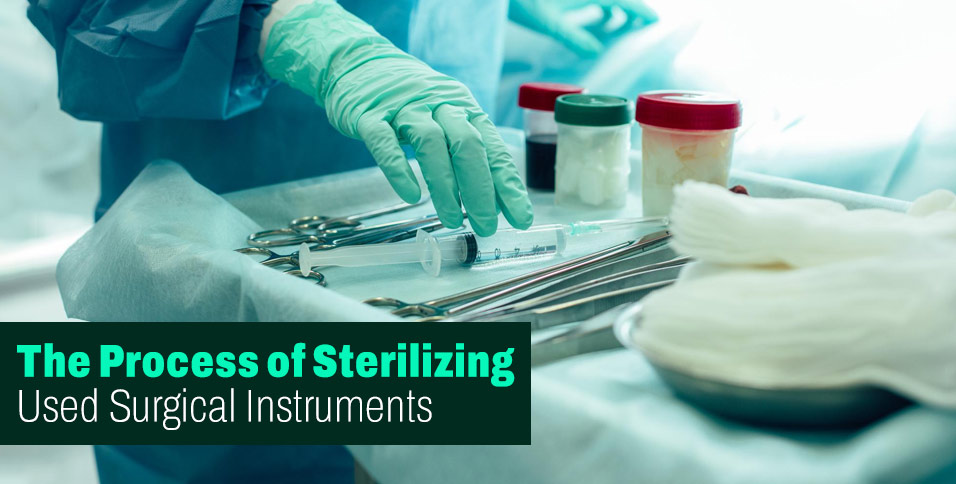
Sterilization of surgical instruments is an important process in healthcare to avoid infection, which can lead to more serious issues in patients. Improper sterilization leaves behind bacteria, viruses, and other pathogens on used instruments. Be it cleaning and disinfection, autoclaving, or storage, every process contributes to hygiene standards. This post will describe the process for sterilizing surgical instruments that have been used and also explain why maintaining proper procedures is necessary for any medical facility.
Importance of Sterilization
Clean room facilities are essential in the healthcare system. Surgical instruments with smart sensors directly contact patients’ tissues. If they are not sterilized correctly, these tools can also be a haven for microorganisms. If instruments are infected, infections could put patients’ lives at risk. That is why they call for a clean and sterilized place to eliminate any possible threats. Healthcare providers sometimes source used surgical instruments that are properly refurbished and sterilized to maintain safety while reducing costs.
Initial Cleaning
As soon as surgery has concluded, it is the first step in sterilization. Instruments require washing to remove blood, tissue, and other debris. A basic cleaning is critical here because if this does not happen well, the sterilization in the next step will not work. Usually, instruments are rinsed under running water to wash away visible debris. A brush could be employed to wipe away streaky deposits. At this point, you should also avoid harsh chemicals, as they can harm the instruments.
Disinfection Stage
After the first cleaning, instruments are disinfected. This step decreases the number of microorganisms found on the instruments. Soaking an instrument in a chemical solution is the most common disinfection method for medical and surgical instruments. A specific type of disinfectant may also be chosen based on the material and the degree of contamination. You must adhere to the manufacturer’s sterilization specifications at this stage without harming the instruments.
Inspection and Sorting
After sterilization, instruments are checked for damage or wear. Damaged tools are set aside to be fixed or thrown away. Organising these instruments by size-type helps in the larger, more effective sterilization of tools. This means that faulty tools have been ruled out, and only functional tools go further into the sterilization process, where strict quality protocols must be established.
Packaging for Sterilization
When they are double-checked, instruments are properly packed. Proper packaging not only protects the instruments during the sterilization process but also maintains their sterility after the process. Proper pouches or wraps for sterilization are used. These materials protect contaminants while allowing steam or gas to pass through. Packaging plays an important role in protecting sterilised instruments by avoiding contaminants before their use.
Choosing the Sterilization Method
Various factors play an essential role in selecting the sterilization method, which depends on the type of instrument or the material from which it is made. There are several ways to do this, such as steam sterilization, ethylene oxide gas, and hydrogen peroxide plasma.
Steam Sterilization
Autoclave sterilization, or steam sterilization, is a popular method. It involves sterilizing instruments with high-pressure and high-temperature steam for a time period. This technique works with most surgical instruments, particularly metal, but it may not be the right choice for temperature-sensitive products.
Ethylene Oxide Gas
Instrumentation that cannot withstand high temperatures is sterilized using ethylene oxide gas sterilization. In this technique, the tools are exposed to ethylene oxide gas, which eliminates microorganisms. However, it takes more time to process and requires additional aeration to eliminate gas residuals.
Hydrogen Peroxide Plasma
For heat-sensitive instruments, hydrogen peroxide plasma sterilization is another option. In this method, hydrogen peroxide vapor is generated and then converted into plasma. It sterilizes well without harmful residues. It is more experienced and faster than ethylene oxide gas sterilization.
Monitoring Sterilization
Monitoring is one of the most critical components of sterilization. This includes verification of the process through chemical indicators and biological monitors. Chemical Indicators change color in the presence of certain conditions, indicating that the parameters for sterility have been achieved. Resistant spores are used in biological monitors to check the sterilization process. If the spores are killed, then sterilization is successful.
Conclusion
In conclusion, sterilizing surgical instruments is not a single-step process and entails meticulous steps combined with thorough cleaning. Every step, from the first clean to storage, is essential for the patient’s safety. Basic principles that can slow or prevent infections and ensure that healthcare facilities provide quality care, following protocols and proper processes. Ultimately, the carefulness of sterilization practices serves to serve patients and medical professionals alike and is the foundation upon which surgical procedures are performed safely.