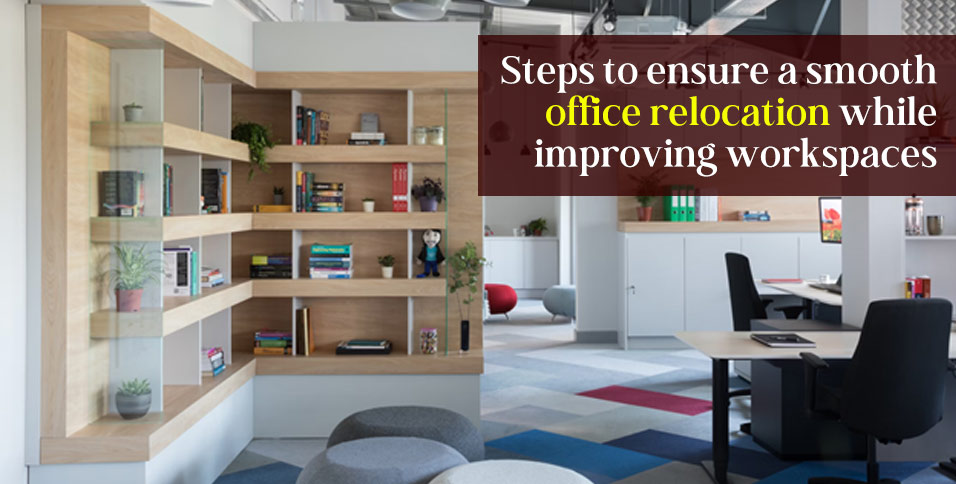
Planning an office relocation can seem like a daunting task, but with careful planning and execution, it can be a seamless transition. The dual goal of ensuring a smooth move and enhancing workplace design is crucial. This blog will walk you through each step of the process, providing tips and strategies to help you navigate common challenges and achieve a successful transition while following an office relocation plan.
From understanding why you’re moving to engaging your employees in the process, we’ll cover all aspects of an office move. You’ll learn how to:
- Design a modern workspace
- Choose the right furniture
- Ensure technology readiness
- And more By the end, you’ll know how to conduct a stress-free move that boosts your business operations and work environment.
Understanding the goals of relocation
Understanding your reasons for relocating is crucial before planning the logistics of an office move. Businesses relocate for various reasons, including:
- Growth
- The need for a better location
- Cost efficiency
- The desire to improve work culture
Identifying these drivers will help you set clear objectives for your relocation project and ensure a successful office move.
Beyond the physical move, there are broader objectives to consider. An office relocation and relocating offices can significantly impact team productivity, brand image, and client perception. For instance, a more accessible location might attract better talent or make it easier for clients to visit. Understanding these goals will guide your planning and decision-making process, ensuring every aspect of the office relocation project aligns with your business objectives.
Defining what success looks like for your company is crucial when planning an office relocation. This involves setting specific goals, such as minimizing downtime, improving employee satisfaction, and staying within budget. Clear objectives allow you to create a detailed relocation plan addressing each goal and tracking progress throughout the move.
Planning ahead to minimize disruptions
A successful office move begins with careful planning for the upcoming move. Detailed timelines, budgeting, and assigning responsibilities are crucial components of the planning process. Start by creating a comprehensive relocation timeline that outlines each step of the move, from selecting a new location to unpacking the last box. This timeline will serve as your roadmap, helping you stay on track and avoid last-minute surprises.
Budgeting is another critical aspect of planning. An accurate budget will help you allocate resources effectively and reduce costs. Consider all potential expenses, including moving services, new furniture, and technology upgrades. Planning ahead ensures smooth business operations during the transition and helps avoid unexpected financial strains.
Assigning responsibilities helps ensure a seamless transition. Key points include:
- Designate a project manager or a relocation team to oversee the entire process.
- This team will be responsible for coordinating with service providers.
- Manage timelines.
- Address any issues that arise. Clear communication and defined roles will help keep the relocation process organized and efficient. Additionally, project managers play a crucial role in this coordination.
Poor planning can lead to delays, employee dissatisfaction, and significant downtime. To avoid these risks, consider the following steps:
- Involve your employees in the planning process and keep them informed about the relocation timeline.
- Begin packing non-essential items well in advance.
- Ensure that critical operations continue with minimal disruption.
Planning ahead allows for a stress-free and successful transition to your new office space, ensuring a smoother transition.
Designing the workplace for modern needs
Designing your new office space is an exciting opportunity to create a more productive and enjoyable work environment in a new space. Modern office layouts often incorporate:
- Open spaces
- Collaborative areas
- Flexible work zones These elements help foster teamwork and innovation. Consider how your current space is utilized and identify areas for improvement. For example, creating more collaborative spaces can enhance communication and creativity among team members.
Employee well-being is a crucial factor in workspace design. Ergonomic furniture, proper lighting, and comfortable workstations can significantly impact employee satisfaction and productivity. When planning your new office layout, prioritize ergonomic designs that promote health and wellness. Businesses now prefer to buy office furniture online to save time and explore a wider variety of ergonomic designs.
Sustainability is another important consideration in modern workspace planning. Incorporating eco-friendly materials and energy-efficient systems can reduce your environmental footprint and appeal to environmentally conscious employees and clients. Designing a sustainable workspace contributes to a healthier planet and enhances your company’s image.
Involving an interior designer can help you create a cohesive and functional office layout that meets your specific needs. An experienced designer can provide valuable insights into space utilization, furniture selection, and aesthetic choices. Investing in professional design services ensures your new office space is both functional and stylish.
Choosing the right furniture for functionality and style
Selecting the right office furniture and office equipment is essential for creating a functional and aesthetically pleasing work environment. Durable, ergonomic, and aesthetically aligned furniture can enhance productivity and employee satisfaction. When choosing furniture, consider factors such as comfort, durability, and design. Ergonomic chairs, adjustable desks, and functional storage solutions are key elements of a well-designed office.
Online sourcing has become a popular procurement strategy for businesses. By choosing to buy office furniture online, companies can save time and explore a wider variety of options. Online platforms offer a vast selection of furniture styles and designs, making it easier to find pieces that match your office layout and brand image. Additionally, online reviews and ratings can help you make informed purchasing decisions.
An interior designer can assist in selecting furniture that complements your office layout and meets your specific needs. They can recommend pieces that maximize space, promote collaboration, and enhance the overall aesthetic of your office. By working with a professional, you can create a cohesive and stylish workspace that reflects your company’s identity.
Investing in high-quality office furniture is a worthwhile expense. Durable furniture reduces the need for frequent replacements, saving you money in the long run. Additionally, ergonomic designs can improve employee well-being, reducing absenteeism and boosting productivity. Choosing the right furniture creates a comfortable and efficient work environment that supports your business goals.
Technology and infrastructure readiness
Preparing your technology and infrastructure for the move is a critical aspect of office relocation. Key steps include:
- Preparing IT systems, cabling, and networking well in advance to avoid disruptions.
- Working closely with your IT department to create a detailed plan for relocating sensitive equipment and IT equipment.
- Ensuring all essential equipment is packed and transported safely.
- Setting up the new office’s technology infrastructure.
Cloud storage, backups, and cybersecurity measures are vital during the relocation process. To protect your information, consider the following steps:
- Ensure all critical data is backed up and securely stored before the move.
- Protect your information from potential data loss or breaches during the transition.
- Review and update your cybersecurity protocols to safeguard against any vulnerabilities that may arise during the move.
Planning ahead for technology needs can prevent delays and minimize downtime. Coordinate with your IT team to test all systems and equipment before the move date to ensure they are functioning correctly. This includes setting up internet and phone lines, configuring servers, and testing network connections. Addressing these technical aspects early ensures a seamless transition and smooth business operations.
Social media platforms can be a useful tool for communicating with clients and stakeholders about the move. Keep your audience informed about the relocation timeline and any potential disruptions to services. This will help manage expectations and maintain trust during the transition. Proactively addressing technology and infrastructure needs ensures a successful move and minimizes any negative impact on your business.
Engaging employees in the transition
Engaging your employees in the office relocation process is essential for a smooth transition. Employee communication strategies before, during, and after the move can help reduce anxiety and ensure everyone is on the same page:
- Keep employees informed about the relocation timeline.
- Share details about the new office location.
- Communicate any changes to their work environment.
- Provide regular updates.
- Maintain open communication channels to build trust and address any concerns.
Gathering employee feedback on new workspace design can lead to higher satisfaction and a more productive work environment. Involve your team members in the planning process by seeking their input on office layout, furniture selection, and amenities, including the conference room. This collaborative approach can create a sense of ownership and make the transition smoother for everyone.
Assigning specific employee responsibilities to employees can also facilitate a successful transition. Designate team members to oversee different aspects of the move, such as packing, unpacking, and setting up workstations with the entire team. Clear roles and responsibilities can streamline the moving process and ensure that nothing is overlooked.
Providing support and resources to help employees adapt to the new office can reduce anxiety and improve morale. Offer orientation sessions, tours of the new office space, and opportunities for employees to ask questions and provide feedback. Engaging your employees throughout the relocation process creates a positive experience and fosters a collaborative and productive work environment.
Logistics and coordination during relocation
The logistics and coordination of the physical move are critical to ensuring a smooth office relocation. Packing strategies for equipment, files, and fragile items must be carefully planned and executed. Start by:
- Categorizing items
- Packing non-essential items first
- Using appropriate packing materials to protect sensitive equipment and important documents during the move.
Working with professional service providers can streamline the relocation process and ensure the safe and efficient transport of your office belongings. Here are some key points to consider:
- Hire a reputable office moving company with experience in office relocations to save time and reduce the risk of damage to your assets.
- Coordinate closely with the moving company to establish a clear timeline and moving date.
- Ensure the moving company understands your specific needs and requirements.
Companies in metropolitan areas often rely on moving services in Sydney to coordinate complex office relocations. These professional moving services can provide valuable support, from packing and transporting items to setting up the moving offices’ new office space. Partnering with an experienced service provider allows you to focus on other aspects of the relocation, ensuring a stress-free move.
During the move, consider the following to ensure success:
- Maintain clear communication with your team and service providers to address any issues that arise.
- Assign a project manager to oversee the moving process and coordinate efforts between different parties.
- Carefully plan and coordinate logistics to minimize disruptions to your business operations.
These steps will help ensure that everything runs business smoothly and that any challenges are promptly addressed.
Post-relocation optimization
Once the move is complete, it’s time to evaluate the success of the relocation and optimize the new office space. Here are the steps to follow:
- Assess the move against your initial goals to determine what worked well and identify areas for improvement.
- Conduct a post-move audit to review the relocation process.
- Gather feedback from employees to gain valuable insights.
This will help ensure continuous improvement and provide guidance for future planning.
Collecting feedback from employees is crucial for understanding their experiences and addressing any concerns. Monitor productivity and employee satisfaction in the new office space, and make adjustments as needed to enhance comfort and efficiency. This could involve reconfiguring workstations, adding amenities, or making changes to the office layout.
Continuous improvements are essential for maintaining a productive and enjoyable office environment. Regularly assess the office space and make necessary updates to ensure it meets the evolving needs of your team as an office manager. This proactive approach will help you create a workspace that supports your business goals and fosters a positive company culture.
Reflecting on the success of the move and celebrating the completion of the relocation can boost morale and foster a sense of accomplishment among employees. Acknowledging the efforts of everyone involved and recognizing their contributions can create a positive atmosphere and strengthen team cohesion. Focusing on post-relocation optimization ensures a smooth transition and a successful office move.
Conclusion
Key considerations for a successful office relocation include:
- Maintaining a detailed inventory of all equipment and assets before the move to track items and ensure nothing is lost or damaged.
- Having a contingency plan for unexpected challenges or delays on moving day to mitigate potential disruptions.
- Taking proactive measures during the relocation process to enhance the likelihood of a smooth transition to the new office space.
Reflecting on the success of an office move is essential for identifying improvements in future relocations. Key aspects to consider include:
- Open communication throughout the relocation process supports employee trust and helps address any concerns.
- Celebrating the completion of an office move can boost morale and foster a positive atmosphere among employees.
- Engaging employees throughout the relocation process enhances their satisfaction and reduces resistance to change.
In summary, a successful office move involves careful planning, clear communication, and a focus on both operational continuity and workplace design. Following the steps outlined in this blog ensures a smooth transition and helps create a functional and enjoyable work environment in your new office space during the office moving process.
Frequently Asked Questions
Why is it important to plan ahead for an office relocation?
Planning ahead for an office relocation is crucial as it ensures a smooth transition, minimizes disruptions, and prevents delays, ultimately fostering employee satisfaction and reducing downtime. A well-thought-out plan helps the entire process run efficiently and effectively.
What are some key considerations when designing a new office space?
When designing a new office space, prioritize open layouts to foster collaboration, ergonomic designs for employee comfort, and sufficient natural lighting. Additionally, sustainability should be a core element to promote an environmentally friendly workplace.
How can businesses ensure their technology is ready for the move?
To ensure technology readiness for a move, businesses should prepare IT systems, securely pack and transport essential equipment, and prioritize cloud storage, backups, and robust cybersecurity measures. This comprehensive approach helps safeguard operations during the transition.
What role do employees play in the office relocation process?
Employees play a crucial role in the office relocation process by providing feedback on workspace design and being actively involved through clear communication and assigned responsibilities. Their engagement is essential for ensuring a smooth transition.
What steps should be taken post-relocation to optimize the new office space?
To optimize your new office space, assess the move’s success by gathering feedback and monitoring productivity. Make necessary adjustments and focus on continuous improvements for employee comfort and operational efficiency.