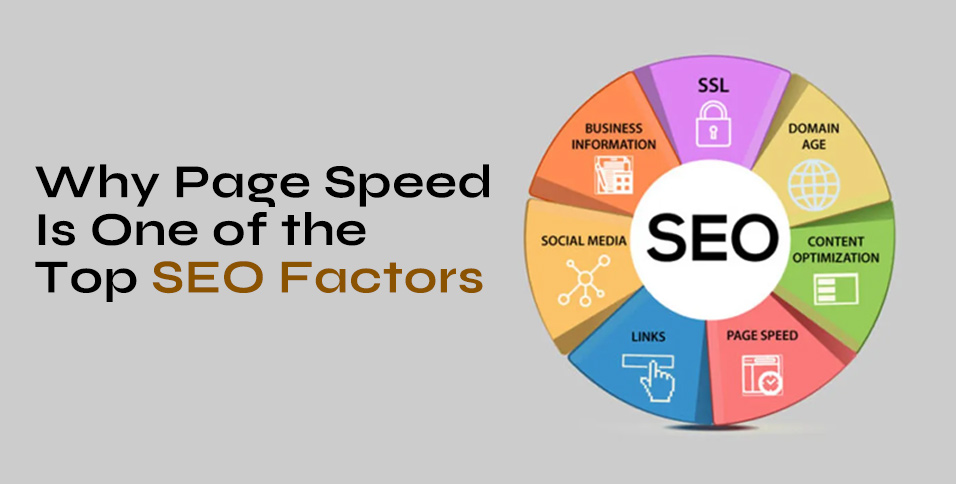
It’s no secret that businesses need their websites to have high search engine rankings. Several factors can affect where their sites rank in customers’ and prospects’ searches, including relevance, content quality, and credibility to name a few. Page speed is also a leading factor in SEO. It’s how fast a website loads when someone clicks on it, and it can significantly impact the user experience.
These days, people expect websites to open almost instantly. If a page takes too long, most visitors will leave and look somewhere else. That’s why page speed plays such an important role in search engine optimization. Search engines like Google want to give users the best possible experience. A slow website can frustrate visitors, so it is less likely to rank well in search results. On the other hand, fast-loading websites tend to rank higher because they provide a smoother and more enjoyable experience.
Taking a Closer Look at the Connection Between Speed and Rankings
When it comes to SEO, speed isn’t just a nice bonus for visitors. It’s a key factor in where a website shows up in search results pages. Search engines measure how quickly your site loads and use that information to decide where your site should appear.
Businesses that rely on strong infrastructure, such as those using services from a Data Center Miami FL, often benefit from faster load times due to better servers and optimized performance. This kind of setup can give websites a competitive edge by improving both speed and reliability. In simple terms, the faster your website loads, the better your chances of ranking higher and attracting more visitors. That’s one of the many reasons why professional hosting services can greatly benefit today’s businesses.
How Page Speed Affects User Experience
User experience is a major part of SEO, and page speed directly impacts it. Imagine clicking on a website and waiting several seconds for it to load. Most people won’t wait. They’ll hit the back button. A fast website keeps visitors engaged. It allows them to quickly find the information they need, browse products, or read content without delays. That leads to lower bounce rates and higher engagement, both of which signal to search engines that your site is valuable.
Mobile Users and Load Speed Expectations
More people are browsing the internet on their phones than ever before. Mobile users often have even less patience, especially if they’re on slower connections. That makes page speed even more important.
Search engines now use mobile-first indexing, meaning they primarily look at the mobile version of your site when determining rankings. If your site is slow on mobile devices, it can hurt your SEO performance significantly. Optimizing for mobile speed ensures that your website works well for all users, no matter what device they’re using.
The Impact on Conversions and Sales
Page speed doesn’t just affect rankings. It also affects your bottom line. A slow website can lead to lost sales and fewer conversions. For example, if an online store takes too long to load, customers may abandon their carts and leave. Even a one-second delay can make a noticeable difference in how users interact with your site. In contrast, faster websites create smoother experiences, which encourages visitors to stay longer and take action.
Boosting Your Rankings With Faster Page Speed
Page speed is one of the most important factors in SEO because it affects both search engine rankings and the user experience. A fast website keeps visitors happy, improves engagement, and increases your chances of success online. Every second counts in today’s digital world. By focusing on speed and making a few smart adjustments, you can create a better experience for your users while boosting your visibility in search results.