The modern freight and transportation sector faces a critical juncture as supply chain disruptions and e-commerce growth create unprecedented demand for skilled professionals. While many industries struggle with automation replacing human workers, logistics coordination requires a unique blend of technical knowledge, problem-solving abilities, and interpersonal skills that machines cannot replicate.
This convergence of challenges and opportunities has transformed freight coordination from a back-office function into a strategic career path with tangible rewards and clear advancement potential.
Understanding the Growing Demand for Freight and Transportation Professionals
The global economy’s reliance on efficient supply chains has created unprecedented opportunities in freight coordination and transportation management. E-commerce expansion and international trade growth have intensified the need for skilled logistics professionals who can optimize shipping routes, manage carrier relationships, and guarantee timely deliveries.
Industry projections indicate sustained demand through 2030, driven by technological integration and supply chain complexity. Companies require specialists proficient in transportation management systems, regulatory compliance, and multimodal logistics coordination.
The profession offers diverse entry points, from freight brokerage to logistics analysis, with competitive compensation reflecting its critical role.
Remote work capabilities and digital platforms have further expanded accessibility to these positions, making freight coordination an increasingly attractive career path for individuals seeking stability in a dynamic field.
Key Career Paths in Logistics, Shipping, and Freight Coordination
As professionals explore opportunities in this expanding sector, several distinct career trajectories emerge within freight coordination and logistics management.
- Freight brokers serve as intermediaries between shippers and carriers, negotiating rates and coordinating transportation while building extensive industry networks.
- Logistics coordinators focus on operational execution, managing shipment documentation, tracking deliveries, and resolving transit issues across multiple transportation modes.
- Supply chain analysts leverage data to optimize routing decisions, reduce costs, and improve delivery performance through analytical modeling and forecasting.
- Dispatch coordinators maintain real-time communication with drivers and warehouse personnel, ensuring schedule adherence and addressing unexpected disruptions.
- Customs brokers specialize in international freight, maneuvering through regulatory requirements and tariff classifications for cross-border shipments.
Each role offers unique responsibilities and advancement potential within the transportation industry.
What a Logistic Account Executive Does in Modern Supply Chain Operations
Logistic account executives also identify business development opportunities, preparing proposals and presentations for prospective customers. They collaborate with warehouse managers, freight forwarders, and customs brokers to guarantee seamless operations across multiple transportation modes.
Strong analytical skills enable them to evaluate performance metrics, while relationship-building capabilities help maintain long-term client partnerships. This role requires balancing customer satisfaction with operational efficiency and profitability.
How Intermodal Trucking Supports Efficient and Flexible Freight Movement
Intermodal trucking combines multiple transportation modes, typically truck, rail, and sometimes ship, to move containerized freight from origin to destination. This approach leverages each mode’s strengths: trucks provide door-to-door flexibility, rail offers cost-effective long-haul transport, and ships enable international reach.
Standardized containers transfer seamlessly between modes without unloading cargo, reducing handling time and damage risk. Shippers gain route flexibility, switching between transportation methods based on capacity, cost, and delivery schedules.
Rail handles the bulk of long-distance movement economically, while trucks complete first-mile pickup and last-mile delivery.
Environmental benefits include reduced fuel consumption and emissions compared to truck-only transport.
Freight coordinators managing intermodal operations must understand carrier networks, terminal locations, and transit times across modes to optimize shipping strategies and maintain supply chain efficiency.
Essential Skills for Success in Transportation and Logistics Careers
Transportation and logistics professionals require a diverse skill set that spans technical knowledge, analytical capabilities, and interpersonal competencies.
Problem-solving abilities enable workers to address unexpected delays, route changes, and supply chain disruptions efficiently. Strong communication skills facilitate coordination among drivers, warehouse staff, customers, and vendors across multiple channels.
Proficiency with transportation management systems, GPS tracking software, and data analysis tools has become essential in modern freight operations. Time management and organizational skills help professionals juggle multiple shipments, deadlines, and regulatory requirements simultaneously.
Attention to detail guarantees accurate documentation, compliance with safety regulations, and proper handling of freight specifications. Adaptability allows workers to respond effectively to industry changes, technological advancements, and shifting customer demands.
Critical thinking supports strategic decision-making regarding route optimization, carrier selection, and cost management initiatives.
Technology and Automation Trends Shaping the Freight Industry
Digital transformation is revolutionizing freight coordination through advanced technologies that enhance efficiency, visibility, and decision-making capabilities.
Transportation management systems (TMS) now integrate artificial intelligence and machine learning to optimize routing, predict delays, and automate load matching. Real-time tracking through GPS and IoT sensors provides unprecedented supply chain visibility, enabling proactive problem-solving.
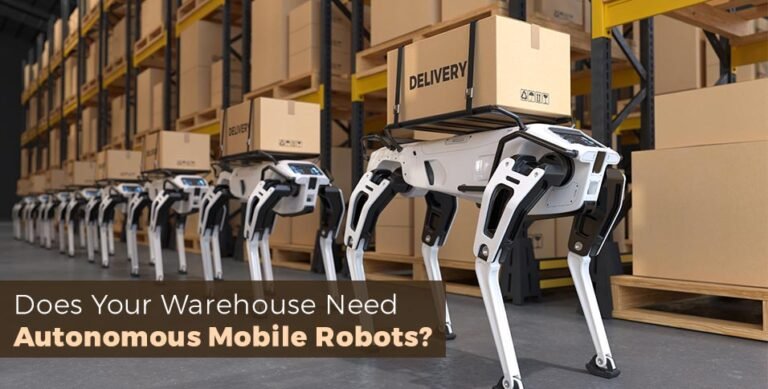
Blockchain technology guarantees secure documentation and streamlines payment processes, while automated warehouses utilize robotics for faster cargo handling.
Cloud-based platforms facilitate seamless communication between shippers, carriers, and customers, reducing manual coordination efforts.
Professionals entering freight coordination must develop technical competencies alongside traditional logistics knowledge. Understanding data analytics, automation tools, and digital platforms has become essential.
While technology handles routine tasks, human expertise remains vital for strategic planning, relationship management, and resolving complex logistical challenges.
Training, Certifications, and Education for Logistics Professionals
As the freight industry evolves with technological advancement, professionals must pursue structured education and recognized certifications to remain competitive.
Bachelor’s degrees in supply chain management, logistics, or business administration provide foundational knowledge, while associate degrees and vocational programs offer faster entry points into the field.
Industry-recognized certifications enhance career prospects considerably. The Certified Transportation Professional (CTP) credential validates expertise in freight operations and regulatory compliance.
The Supply Chain Professional (CSCP) certification demonstrates proficiency in end-to-end logistics management. Additionally, the Certified Logistics Associate (CLA) serves as an entry-level credential for newcomers.
Many professionals pursue continuing education through workshops, online courses, and professional associations like the Transportation Intermediaries Association (TIA).
These resources keep practitioners current on emerging technologies, regulatory changes, and industry best practices essential for career advancement.
Career Growth Opportunities and Earning Potential in Transportation Services
Freight coordination professionals can expect robust advancement trajectories as global trade continues expanding and supply chains grow increasingly complex.
Entry-level coordinators typically earn $40,000-$50,000 annually, while experienced logistics managers command $70,000-$95,000. Senior directors in major metropolitan areas can exceed $120,000 with performance bonuses.
Career progression follows distinct pathways: coordinator to senior coordinator, then logistics supervisor, operations manager, and eventually director of transportation or supply chain executive.
Professionals who develop expertise in specialized areas like hazardous materials, international shipping, or cold chain logistics often accelerate advancement and increase earning potential.
Geographic location notably impacts compensation, with coastal ports and major distribution hubs offering premium salaries.
Remote work opportunities have emerged, allowing professionals to access competitive wages regardless of physical location while reducing overhead costs.
Building Long-Term Success in a Fast-Moving Logistics Environment
Long-term success in freight coordination requires professionals to master the balance between operational efficiency and strategic adaptability. The logistics industry constantly evolves through technological advancements, regulatory changes, and shifting market demands.
Successful coordinators develop extensive knowledge of supply chain management, transportation networks, and emerging digital tools that streamline operations. Building resilience involves cultivating strong relationships with carriers, clients, and industry partners while maintaining flexibility during disruptions.
Professionals must stay informed about industry trends, pursue relevant certifications, and embrace continuous learning. Data analysis skills become increasingly valuable for optimizing routes, reducing costs, and improving delivery performance.
Career longevity depends on demonstrating reliability, problem-solving capabilities, and the ability to handle high-pressure situations. Those who invest in developing both technical expertise and interpersonal skills position themselves for sustained advancement in this dynamic field.