The US–Iran ceasefire has finally arrived, but only after weeks of sustained damage to the Middle East’s most critical energy infrastructure.
A provisional deal to pause hostilities and reopen the Strait of Hormuz comes at a critical moment, as both sides step back from further escalation.
Yet the timing raises a harder question: what has already been lost?
Because the war didn’t just disrupt oil flows… it directly targeted them.
In fact, dozens of energy facilities across the region have been damaged within weeks, underscoring how central oil infrastructure has become in this conflict.
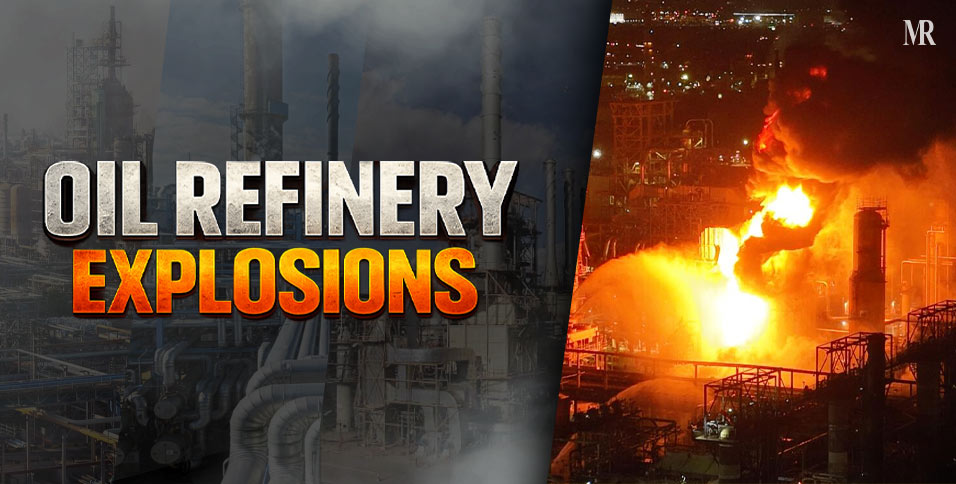
So, which were the most significant oil refinery explosion events?
Here are the top oil refinery explosions and attacks during the 2026 Middle East war and what they reveal about the future of energy security.
But firstly…
What Caused The Oil Refinery Explosion Events?
While most of the oil refinery explosion events were the result of direct missile or drone strikes, several incidents were caused by falling debris from successful air defense interceptions. This phenomenon highlights how even “successful” defensive measures can lead to catastrophic industrial accidents when high-value energy assets are in the crossfire.
The Top 5 Oil Refinery Explosions In 2026
1. South Tehran Oil Refinery (Iran)
On March 8, 2026, a coordinated strike by US and Israeli forces hit the South Tehran refinery cluster. As a cornerstone of Iran’s domestic fuel supply, the explosion at oil refinery units caused a total shutdown. The fires burned for days, releasing a “black monster” of toxic smoke that led to hazardous “black rainfall“ over the capital.
- Location: South Tehran
- Capacity: Primary fuel supplier for the capital (approx. 250,000 bpd)
- Status: Total shutdown; 12–18 month recovery estimated.
2. Ras Tanura Refinery (Saudi Arabia)
As the largest domestic refinery in Saudi Arabia, Ras Tanura was targeted by Iranian drones on March 2. Although Saudi air defenses intercepted the main threats, falling debris ignited a significant fire within the complex. Saudi Aramco briefly halted operations to reroute exports to the Red Sea, causing an immediate spike in global oil prices.
- Location: Ras Tanura, Saudi Arabia
- Capacity: 550,000 barrels per day (bpd).
- Status: Restarted after 7 days; minor structural damage.
3. Mina Al-Ahmadi (Kuwait)
On April 3, 2026, Kuwait’s oil sector faced a concentrated drone barrage. The Mina Al-Ahmadi refinery, one of the world’s most sophisticated plants, suffered fires in multiple operational units. This was the third strike on the facility in two weeks, forcing a significant reduction in national oil production.
- Location: Ahmadi, Kuwait
- Capacity: 346,000 bpd.
- Status: 4-month recovery for full operational capacity.
4. Bapco Energies (Bahrain)
The Bapco refinery in Sitra came under heavy attack on April 5. Missiles and drones triggered massive explosions at the facility, which processes over 400,000 barrels daily. The fires lit up the night sky and forced the company to declare force majeure on its shipments, further tightening the regional fuel market.
- Location: Sitra, Bahrain
- Capacity: 400,000+ bpd.
- Status: Declared force majeure; extensive infrastructure damage.
5. Ruwais Refinery (UAE)
The Ruwais refinery, a global hub for refined products, faced multiple fires on April 5. These were largely caused by debris from intercepted Iranian missiles and drones. While the UAE’s THAAD and Patriot systems prevented a total loss, the facility suffered“significant damage” that briefly knocked several units offline.
- Location: Ruwais, UAE
- Capacity: 922,000 bpd.
- Casualties: 13 total deaths reported across UAE strike zones.
- Status: Operating at partial capacity.
Other Energy Infrastructure Attacks During the 2026 Middle East War
1. South Pars Gas Field Number 4 (Iran)
On March 18, 2026, the world’s largest gas field, South Pars, became a primary target. Israeli air raids struck the Asaluyeh hub, specifically destroying Refinery Number 4. This strike alone took offline 100 million cubic meters of daily gas production, representing 12% of Iran’s total national output and triggering massive power grid failures in neighboring Iraq.
● Location: Asaluyeh, Iran
● Impact: Near-total destruction of processing units.
● Status: Offline; 3–5 year repair cycle expected.
2. Ras Laffan LNG Complex (Qatar)
The most economically damaging strike for global gas markets occurred on March 19. Iranian missiles hit Ras Laffan, the premier LNG export facility. The strikes damaged two of the seven LNG “trains,” reducing Qatar’s export capacity by 12.8 million tonnes per year and causing a 140% surge in Asian LNG spot prices.
● Location: Ras Laffan, Qatar
● Capacity: Reduced from 77mn t/yr to 64.2mn t/yr.
● Status: 3–5 year repair cycle for specialized GTL units.
3. Bandar Imam Petrochemical Complex (Iran)
In late March 2026, the Bandar Imam petrochemical complex, one of Iran’s largest industrial hubs, was struck during a series of high-precision coalition attacks targeting the country’s downstream capabilities. The explosions triggered massive fires across multiple processing units, disrupting feedstock supply chains critical for both petrochemicals and fuel production.
Satellite imagery confirmed extensive structural damage, with flames visible for hours and operations forced into a prolonged shutdown. The strike formed part of a broader strategy to degrade Iran’s ability to sustain industrial output and support its military logistics.
● Location: Bandar Imam, Iran
● Capacity: One of Iran’s largest petrochemical processing hubs
● Status: Severe damage; indefinite recovery timeline
4. Kharg Island Oil Hub (Iran)
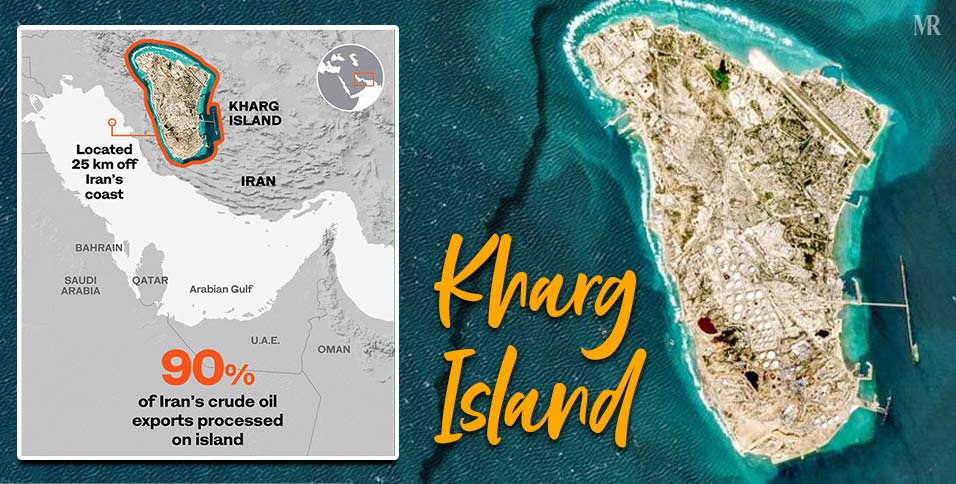
Kharg Island, which handles 90% of Iran’s crude exports, was hit by precision strikes on April 7. The attack focused on the deepwater terminals used by supertankers. This operation was designed to cripple Iran’s economic lifeline and pressure the regime into reopening the Strait of Hormuz.
● Location: Kharg Island, Persian Gulf
● Significance: Primary export terminal for Iranian crude.
● Status: Significant damage to export terminals; 2-year recovery.
Why Were Oil Refineries Heavily Targeted In The 2026 War?
Oil Refineries were targeted because they directly impact fuel supply, government revenue, and military logistics, making them high-value strategic assets.
Striking a refinery can be more disruptive than hitting a military base because it creates an instant, cascading failure across the entire state.
- Economic Warfare and Revenue Suppression
For the US and Israel, striking Iranian refining capacity was about cutting off the state’s oxygen. Oil exports finance the Iranian government and its regional allies. By causing a repeated oil refinery explosion at key sites like South Pars, the coalition successfully drained the regime’s primary income source.
- Asymmetric Pressure and Global Pain
Conversely, Iran targeted Gulf refineries to generate “global economic pain.” By hitting facilities like Ras Tanura and Mina Al-Ahmadi, Iran aimed to pressure the United States and its allies through skyrocketing gas prices and industrial shortages. This strategy turned the energy market into a battlefield where every oil refinery explosion increased the cost of the war for Western voters.
- Disruption of Essential Logistics
Refineries produce the petrol, diesel, and jet fuel required for military movement and civilian transport. A single refinery explosion can ground an air force or halt a nation’s trucking industry. These facilities are also fixed assets that cannot be moved or hidden, making them vulnerable high-value targets in an age of precision drone warfare.
Analysis Of The Global Energy Impact
The cumulative effect of these oil refinery explosion events led to a perfect storm in global energy markets. With the Strait of Hormuz facing severe disruption and security threats, insurance premiums for tankers skyrocketed, and prices for essential commodities surged.
| Commodity | Pre-War Price | Peak Price (March 2026) | Change |
| Brent Crude | $84.00/bbl | $126.00/bbl | +50% |
| Asian LNG Spot | $12.00/mmBtu | $28.80/mmBtu | +140% |
| Helium | $300/mcf | $900/mcf | +200% |
| US Gasoline | $3.20/gal | $3.58/gal | +12% (1 week surge) |
“If this agreement gives Iran the right to control the strait, that is cataclysmic for the world,” warned Senator Chris Murphy, reflecting on the geopolitical fallout of the energy war.
End Note
The recent US-Iran ceasefire offers a fragile hope that the cycle of destruction has paused. However, the legacy of the oil refinery explosions will be felt for decades.
With global oil prices up 50% and critical facilities in Qatar and Iran facing 3-to-5-year repair cycles, the world’s energy map has been permanently redrawn.
As diplomats meet in Pakistan, the focus remains on whether a permanent peace can be built atop the charred remains of the world’s most vital energy infrastructure.
Regardless of the political outcome, the refinery explosions remain the haunting symbol of the 2026 Middle East War.
Editorial Note: This report is based on a synthesis of real-time verified alerts and official damage assessments from the IEA. While a ceasefire is in effect as of April 2026, the recovery timelines provided are projections based on the current availability of specialized industrial components and regional stability.
FAQs
- How does a refinery explosion affect oil futures?
A refinery explosion can push oil futures higher by signaling potential supply disruptions, increasing risk premiums, and tightening refined fuel availability.
- Are oil refineries still at risk after the ceasefire?
Yes. A temporary ceasefire does not eliminate risk. Retaliatory capabilities, regional tensions, and unresolved negotiations keep energy infrastructure exposed.
- Does climate change cause oil refinery explosions?
No. Climate change does not directly cause refinery explosions, but it increases risks through extreme heat, storms, and flooding that can disrupt operations and damage equipment.