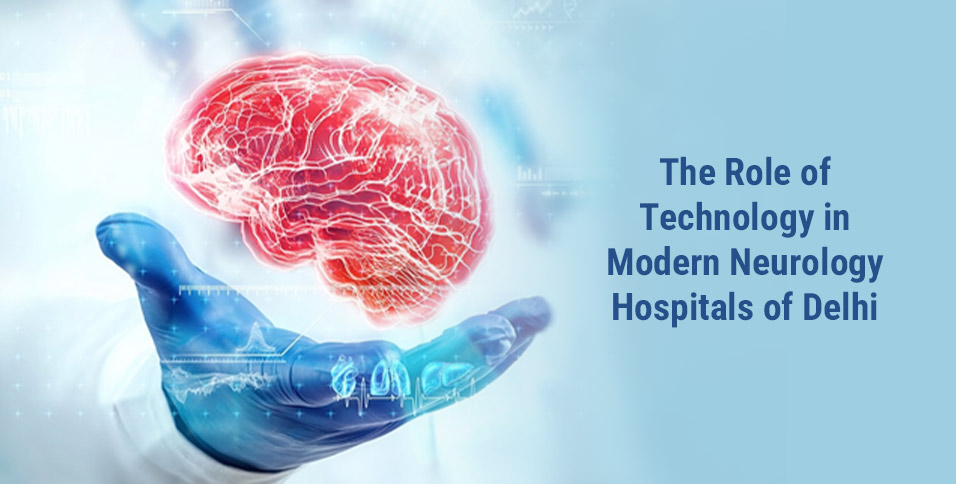
When it comes to treating conditions of the brain, spinal cord, and nervous system, technology has become one of the strongest pillars of progress. Today, a neurology hospital in Delhi is not only defined by its doctors and specialists but also by the modern tools and techniques it uses to improve patient care. From advanced imaging machines to targeted therapies, technology plays a vital role in both diagnosis and treatment, ensuring precision and safety.
Advanced Imaging for Accurate Diagnosis
One of the biggest changes in neurology has been the use of advanced imaging. Hospitals today are equipped with powerful machines such as MRI, CT scans, and PET scans. These machines help doctors see detailed pictures of the brain and nervous system, which is essential to detect conditions like tumours, strokes, or degenerative disorders. For example, a 3TESLA MRI can provide high-resolution images that make it easier to identify even small abnormalities. Patients are often encouraged to consult their neurologists to understand how these scans can guide treatment plans.
Neurophysiological Studies
In addition to imaging, neurophysiological studies such as EEG (electroencephalogram) and EMG (electromyography) are widely used. These tests measure brain waves, muscle activity, and nerve function. They are important tools for diagnosing epilepsy, sleep disorders, neuropathy, or myopathy. In a neurology hospital in Delhi, such studies are carried out by trained specialists who ensure accurate results for doctors to interpret. Patients dealing with unexplained seizures, muscle weakness, or coordination issues may find these tests particularly helpful in uncovering the cause of their symptoms.
Targeted Therapies and Medications
Another key role of technology in neurology is in the development of targeted therapies. These treatments are designed to address specific conditions like multiple sclerosis, Parkinson’s disease, or epilepsy. Advances in medical research have introduced infusion therapies, improved medication protocols, and neurorehabilitation methods that help control symptoms and improve quality of life. Doctors may combine these therapies with physiotherapy or counselling to ensure a holistic approach.
Minimally Invasive Neurosurgery
When surgery becomes necessary, technology ensures that procedures are as safe and effective as possible. Neurosurgeons in Delhi hospitals often use minimally invasive techniques, supported by robotic assistance and precise imaging tools. These methods reduce the size of incisions, lower the risk of complications, and speed up recovery time. Patients who require surgical intervention for tumours, vascular problems, or spine issues are usually guided by their doctors about the best possible approach.
Stroke Care and Emergency Response
Stroke management is one of the most critical areas in neurology, and technology has transformed the way it is handled. Immediate treatment using TPA therapy (tissue plasminogen activator) or advanced clot retrieval procedures can save lives and prevent long-term disability. With modern monitoring systems and rapid response units, a neurology hospital in Delhi can provide round-the-clock emergency stroke care. Since stroke requires urgent medical attention, patients and families are often reminded to seek immediate help at the first sign of symptoms.
Multidisciplinary Care Backed by Technology
Neurological conditions often affect multiple aspects of health, from movement to memory. This is why hospitals use a multidisciplinary approach supported by technology. Neurologists, neurosurgeons, neuropsychologists, physiotherapists, and interventional neuroradiologists work together to form integrated treatment plans. Digital medical records and advanced monitoring devices allow these teams to share real-time information and track patient progress effectively.
Support for Patients and Families
Our latest technology also extends beyond treatment. Many hospitals now offer counselling and educational resources using digital platforms. Support groups, therapy sessions, and awareness programmes help patients and their families cope with challenges. For conditions like dementia or Parkinson’s disease, ongoing monitoring devices and therapy apps also play a role in managing symptoms at home. Doctors usually advise families on which support services are most suitable for their situation.
Examples of Conditions Managed with Technology
Modern neurology hospitals treat a wide range of conditions with the help of technology. Some of the common ones include:
Epilepsy – diagnosed with EEG and managed with advanced drug therapies or surgical options.
Movement Disorders – such as Parkinson’s disease, where deep brain stimulation and targeted medication are used.
Dementia – monitored with cognitive assessments and imaging studies to track changes in brain function.
Neuropathy and Myopathy – evaluated using EMG and managed with lifestyle support and medication.
Sleep Disorders – studied with overnight EEG or polysomnography for accurate diagnosis.
Compassion Combined with Innovation
While technology is at the core of neurology, hospitals also emphasise compassionate care. A patient-centred approach ensures that treatment plans are tailored to individual needs. Neurologists often take time to explain complex medical terms in simple language, involve families in decision-making, and address concerns with clarity. This balance of technology and empathy is what sets a modern neurology hospital in Delhi apart.
Conclusion
Technology continues to reshape the field of neurology, making it possible to diagnose faster, treat with precision, and offer patients a better quality of life. From advanced imaging and neurophysiological studies to minimally invasive surgeries and emergency stroke care, modern hospitals in Delhi are equipped to meet the growing demands of neurological healthcare. If you or a loved one is facing concerns related to the nervous system, it is always best to consult a doctor at a trusted neurology hospital. With expert guidance and the support of technology, the journey to recovery can be managed with confidence and care.