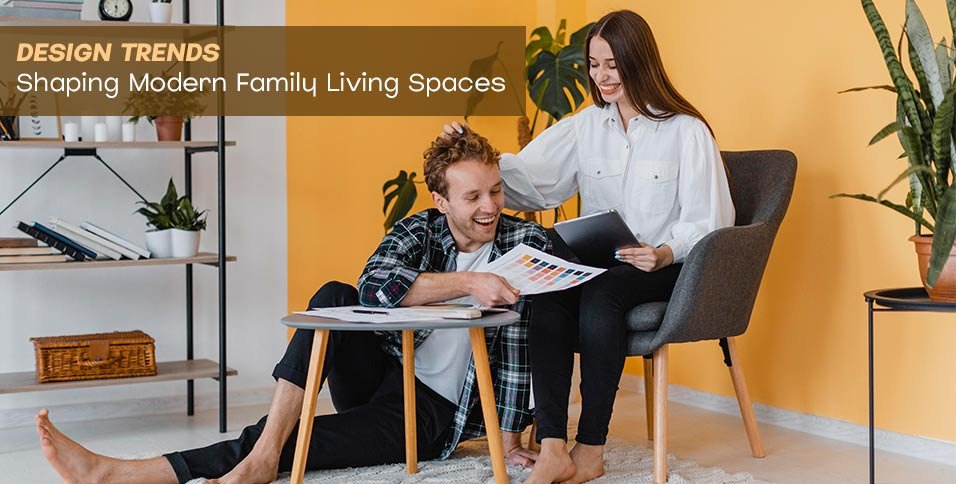
Feeling cramped and disconnected in your family spaces can make daily life stressful. Open layouts and modular furniture now help many families use rooms in new ways. This post shows simple design trends that make homes greener, smarter, and more flexible.
Read on to transform your home.
Nature-Inspired Design
Nature-inspired design brings the outdoors inside. Using natural materials creates a warm and inviting space for families to enjoy.
Incorporating natural materials and textures
Bring reclaimed wood, stone, and bamboo into floors, counters, and shelving to warm open concept family spaces. These surfaces add tactile contrast to minimalist decor and support sustainable design goals.
Soft linen, wool rugs, and leather cushions add texture and invite touch in shared living rooms. Designers mix materials to create distinct areas while keeping functional living and family connectivity.
Biophilic elements for indoor-outdoor harmony
Following the use of natural materials and textures, designers add biophilic elements to link indoor and outdoor areas. Large sliding glass doors open sightlines and let light flood family spaces.
Native plants sit near dining areas and living rooms to improve air quality. Wood decking flows from the kitchen to a patio, especially if we’re talking about beachfront properties, to extend functional living.
Glass walls create a seamless view of gardens and sky. Water features add soft sound and a calming focus. Landscaped courtyards define distinct areas without blocking flow. Smart irrigation preserves water and supports sustainable design.
Interior design choices favor native stone and warm timber to match the yard.
Flexible and Multi-Purpose Spaces
Flexible and multi-purpose spaces offer families the chance to use rooms for different activities. These areas can change with family needs, making homes more functional and welcoming.
Adapting rooms for various family needs
Designers convert spare rooms into study, play, and guest zones to suit family spaces. Open concept plans allow zones to flow, while rugs and shelving define distinct areas.
Modular furniture adapts fast to shifting needs. Sliding panels add privacy for work or sleep and save floor space. Functional living meets family-friendly style in modern homes with smart space planning.
Movable partitions and modular furniture
Movable partitions and modular furniture are essential in modern family living spaces. They create flexibility and help adapt to changing needs.
- Movable partitions allow families to change room layouts easily. You can shift them to create separate areas or open up a space as needed.
- These partitions come in various styles and materials, enhancing the room’s look. Options include glass, wood, or fabric; each adds a unique touch to your home.
- Modular furniture fits perfectly into any space. Pieces can combine for family gatherings or break apart for daily use.
- Many pieces of modular furniture are lightweight and easy to move around. This allows quick changes to fit different activities like playtime or work-from-home.
- Using these elements helps keep spaces organized and functional. Families can designate distinct areas for work, play, or relaxation without sacrificing style.
- They promote family connectivity by allowing shared experiences in versatile spaces. Everyone can enjoy quality time together, even in limited areas.
- Choosing movable partitions and modular furniture supports sustainable design practices as well. Many brands offer eco-friendly choices made from renewable resources.
These trends focus on aesthetics while also enhancing the functionality of modern homes.
Sustainable and Eco-Friendly Design
Sustainable design uses materials that come from nature. It focuses on saving energy and reducing waste.
Using renewable materials and energy-efficient solutions
Utilizing renewable materials contributes to waste reduction. Bamboo and reclaimed wood are excellent options for flooring and furniture. These materials originate from sustainable sources, making them environmentally friendly choices.
Energy-efficient solutions decrease utility bills. LED lights consume less energy than traditional bulbs. Smart home systems can adjust heating and cooling according to your needs, conserving energy overall.
Selecting these features in modern homes supports both family living and the environment.
Upcycling and repurposing for modern aesthetics
Using renewable materials and energy-efficient solutions leads to another important trend: upcycling and repurposing. This practice transforms old items into something new, stylish, and useful for modern living spaces.
- Upcycling gives new life to old furniture. A worn-out chair can become a unique accent piece with a fresh coat of paint or new fabric.
- Repurposing materials helps reduce waste. Items like wooden pallets can turn into trendy coffee tables or garden planters.
- It adds character to family spaces. Each repurposed item tells a story that reflects your family’s journey.
- Creative projects are fun for everyone. Families can work together on DIY projects to make their home truly special.
- Vintage finds blend well with modern decor. Mixing old items with current designs creates a warm and inviting atmosphere.
- Unique pieces spark conversations in your home. Guests will enjoy learning about the history behind each repurposed item.
- Sustainable practices save money in the long run. Choosing to upcycle can be more cost-effective than buying new furniture or decor.
- It supports local artisans and small businesses when you purchase second-hand goods or handmade pieces.
- Customization is easy through personal touches, allowing families to express their creativity in every room.
- Using eclectic design approaches fosters individuality, making each home’s aesthetic uniquely its own while promoting family connectivity.
This trend fosters creativity and promotes sustainable living within family spaces, all while ensuring functional beauty throughout the modern home decor landscape.
Seamless Integration of Technology
Technology is now a key part of our homes. Smart devices make daily tasks easier and help save energy.
Smart home features for convenience and efficiency
Smart home features enhance daily life. They bring convenience and efficiency to modern homes. Smart thermostats save energy by adjusting temperature automatically. Automated lighting lets you control lights with your voice or phone.
When considering home remodeling in Mercer Island, many homeowners are opting for features that enhance both sustainability and aesthetic appeal.
This feature helps create the perfect mood for any occasion.
Home security systems use cameras and sensors to keep families safe. You can monitor your home while away using a smartphone app. Smart locks offer keyless entry and allow access for guests remotely.
Integrating these technologies creates functional living spaces that cater to family needs efficiently, promoting ease of use in busy households.
Hidden technology for a clean, sleek look
Hidden technology creates a modern feel in family spaces. Devices blend into furniture or walls. This design trend keeps rooms tidy and uncluttered. Wi-Fi speakers hide inside shelves, while smart lighting becomes part of the room’s design.
Families enjoy the convenience of tech without visible wires or gadgets. Voice-controlled systems help manage homes easily. These features add style as well as function to modern aesthetics.
The result is a home that feels serene yet connected, perfect for today’s lifestyles.
Soft Curves and Warmer Aesthetics
Soft curves and warmer aesthetics create a cozy vibe in family spaces. These designs focus on comfort with gentle lines and inviting materials.
Moving away from sharp minimalism to cozy designs
Sharp minimalism is losing its appeal in modern family spaces. Designers now focus on cozy designs that invite warmth and comfort. Soft curves replace harsh lines. These gentle shapes create a relaxing atmosphere for families to enjoy together.
Comfortable furniture becomes key in this trend. Textiles with warm textures add to the welcoming feel of a room. Colors shift toward earthy tones rather than stark whites or grays.
Family connectivity grows stronger as spaces become more inviting and functional for all ages.
Emphasizing comfort through softer lines
Transitioning from sharp minimalism to cozy designs has led many homes to embrace softer lines. This approach brings a sense of warmth and comfort into family spaces. Rounded furniture, soft textiles, and gentle shapes create an inviting feel.
These elements enhance the complete aesthetic of modern homes.
Softer lines help define distinct areas while maintaining flow in open concept layouts. Utilizing curves instead of straight edges allows families to enjoy a more relaxed environment.
This design choice encourages family connectivity and makes spaces feel welcoming. Comfort now takes center stage in interior design trends for functional living spaces.
Conclusion
Modern family living spaces are changing fast. Designers focus on nature and comfort. They use eco-friendly materials that help the planet. Spaces now serve many functions with flexible furniture and smart tech.
These trends create homes where families can connect and thrive together.