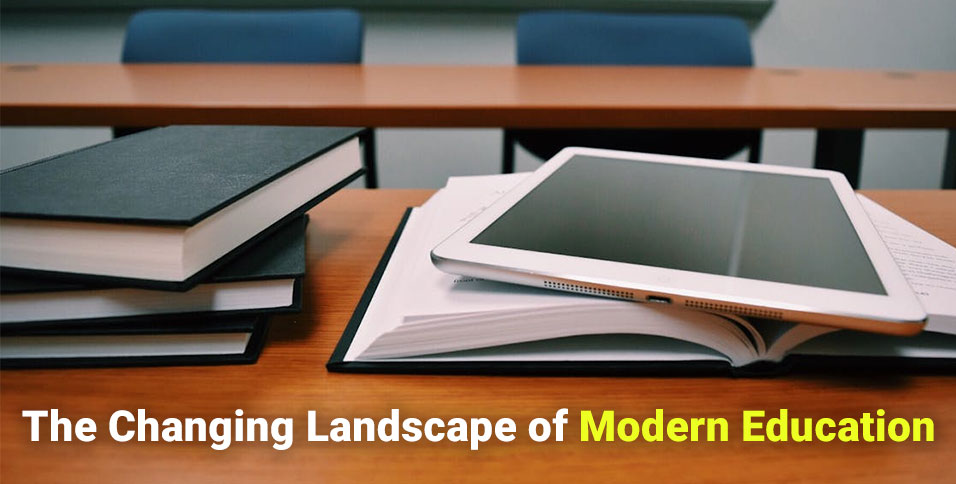
Walk into a classroom today and you may see students using tablets instead of textbooks, teachers leading discussions over video calls, and assignments being submitted through online portals. Education has changed dramatically over the last decade, shaped by technology, shifting cultural priorities, and global events that forced learning to adapt.
Schools, colleges, and training programs are no longer confined to four walls. Students can learn from anywhere, and teachers can collaborate across continents. This new flexibility has opened opportunities for millions of learners, but it has also introduced new challenges that schools must address if they want to keep up with the needs of modern students. To truly prepare the next generation, education must be innovative while remaining inclusive, ensuring that no student is left behind. It means rethinking how we teach, measure progress, and provide resources to meet the needs of diverse learners.
Understanding where education is headed means looking closely at both the progress that’s been made and the obstacles that remain. Before we can embrace the future of education, we must take an honest look at what still needs work, and that begins with examining some of the most pressing problems schools face today.
Addressing Today’s Biggest Challenges
Any discussion about the future of learning must start by identifying the biggest issues in education, because solving these problems is key to building stronger schools and better outcomes for students. Teacher shortages remain one of the most critical concerns, leaving classrooms understaffed and putting added pressure on existing educators. Burnout has become a serious issue, with many teachers leaving the profession due to stress, lack of support, or inadequate pay.
Another challenge is the growing gap in access to resources. Students in underfunded districts may lack basic technology or up-to-date textbooks, while those in wealthier areas often benefit from advanced tools, extracurricular opportunities, and smaller class sizes. This inequity can have a lasting impact on learning outcomes and perpetuate cycles of disadvantage.
Finally, education leaders are working to keep up with the rapid pace of change. They must balance integrating new technology, updating curriculum standards, and preparing students for jobs that may not even exist yet. By tackling these issues head-on, schools can create a more inclusive, effective, and resilient education system.
The Role of Technology in Modern Classrooms
Technology has become a powerful driver of educational transformation. Digital tools allow students to access lessons anytime, anywhere, and enable teachers to tailor instruction to different learning styles. Interactive platforms make it easier to visualize complex concepts, while video conferencing tools connect students with experts around the world.
However, this shift isn’t without challenges. Not all students have reliable internet access or the devices needed for remote learning, which creates a digital divide. Teachers also need proper training to integrate technology into their lessons in meaningful ways, rather than simply using it as a substitute for traditional methods.
When used effectively, technology can enhance learning and engagement. The key is finding a balance, using digital tools to support human connection rather than replace it.
Evolving Teaching Methods and Curriculum
Education has moved away from focusing solely on memorization and standardized testing. Instead, schools are encouraging critical thinking, creativity, and collaboration. Project-based learning allows students to work on real-world problems, while flipped classrooms let them review lectures at home and spend class time discussing ideas and practicing skills.
Curriculum updates also reflect the changing world. Students are learning about digital citizenship, financial literacy, and mental health awareness alongside core subjects like math and science. These changes help prepare them for life beyond school, where adaptability and problem-solving are as important as academic knowledge.
By giving students more active roles in their education, schools are helping them develop skills that will serve them in the workforce and beyond.
Equity and Access in Education
Equitable access to quality education remains one of the most important goals for modern schools. Economic and geographic factors can create significant differences in what students are able to learn. Rural schools may face limited funding and fewer specialized teachers, while urban schools may deal with overcrowding and high student-to-teacher ratios.
Efforts to close these gaps include expanding broadband access for remote learners, offering free meal programs to support student health, and providing grants for schools to invest in technology and teacher training. Nonprofit organizations and community partnerships are also stepping in to offer after-school programs, mentorship, and tutoring for students who need extra support.
Ensuring that all students, regardless of where they live or their family income, have access to the same opportunities is essential to building a fair and effective education system.
The Future of Education: Trends to Watch
Looking ahead, education will continue to evolve in exciting ways. Hybrid learning models are likely to become a long-term solution, combining the benefits of in-person and online learning to give students more flexibility.
There’s also a growing emphasis on lifelong learning. Adults are returning to school to gain new certifications, change careers, or stay competitive in a fast-moving job market. This shift means that education providers will need to design programs that are flexible enough for learners of all ages.
Global collaboration will play a bigger role as well. Students may participate in international projects, interact with peers from different countries, and gain skills that prepare them for a global workforce.
Education is changing faster than ever, and while these changes bring new opportunities, they also require thoughtful solutions to ensure every student can thrive. By recognizing and addressing the challenges facing schools, from teacher shortages to resource inequities, we can create an education system that prepares students for the future.
Technology, evolving teaching methods, and a focus on equity are all shaping the classrooms of tomorrow. The goal isn’t just to keep up with change but to make sure that learning is meaningful, inclusive, and accessible for everyone.
The future of education holds enormous promise, and by working together to overcome its challenges, we can ensure that it becomes a tool for empowerment and progress for generations to come.