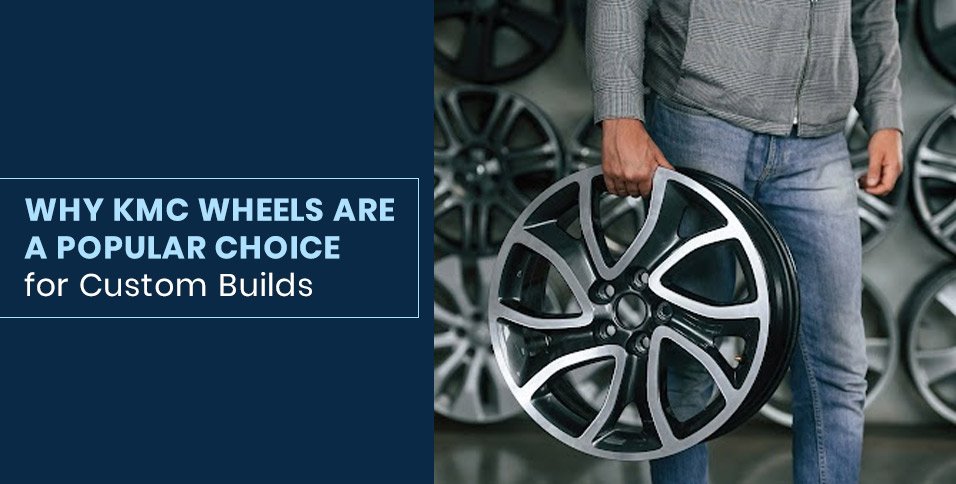
Custom builds need more than a striking appearance. Wheel selection affects stance, clearance, ride quality, and daily confidence. KMC Wheels attract drivers by combining a strong visual identity with practical fitment options. Their broad catalog supports trucks, SUVs, jeeps, and street-focused projects. That range helps owners create a cohesive setup without losing sight of tire size, load needs, or suspension changes. For many enthusiasts, a carefully matched wheel becomes the clearest expression of a vehicle’s purpose.
A Practical Starting Point
Product pages can group finishes, diameters, bolt patterns, offsets, and availability in one place. Drivers can review those details before choosing tires or suspension work. The shop KMC wheels page provides a direct route to KMC listings, helping shoppers compare applicable options while keeping vehicle information, budget, and intended use in view. Clear specifications reduce costly fitment surprises.
Visual Character
Visual character often begins with the spoke shape. KMC offers patterns that can make a truck appear wider, sportier, or more purposeful. Deep concave profiles create stronger visual depth, while flatter faces suit restrained builds. Spoke spacing also changes how large a wheel looks next to the tire. A careful match prevents the rim from overpowering body lines. That balance matters because the build should look intentional from every angle, parked or moving through traffic.
Fitment and Clearance
Fitment begins with accurate measurements. Width, diameter, bolt pattern, offset, and center bore must suit the vehicle before appearance enters the discussion. Incorrect dimensions can cause rubbing, poor steering feel, or contact with brake components. Lifted trucks may need extra clearance, while lowered cars may need careful attention near the fenders. Checking manufacturer data, tire specifications, and suspension changes together gives each project a safer foundation and reduces costly installation delays.
Construction and Strength
Construction matters because wheels face potholes, loads, weather, and braking forces. KMC models are commonly selected for cast or flow-formed production, depending on the product line and project needs. Each method offers a different balance of weight, strength, and price. Buyers should confirm the model’s construction rather than judge every rim by its appearance. Load rating also deserves attention, especially for vehicles carrying equipment, passengers, or recovery gear during daily use.
Finish and Maintenance
Finish selection gives a build its visual direction. Matte black can emphasize an off-road attitude, while bronze, silver, or machined accents may suit classic, racing, or urban themes. Gloss surfaces reflect more light and often show dust quickly. Satin options provide a quieter middle ground. Owners should consider cleaning habits, climate, and nearby trail use before choosing a coating. Matching finish tone with trim, lighting, and paint creates a unified result without excess decoration.
Purpose and Proportion
Build purpose should guide every wheel’s decision. A trail truck may benefit from a durable finish, sensible diameter, and enough sidewall for uneven surfaces. A street performance car may call for lighter construction, wider contact, and sharper visual lines. Daily drivers need comfort, noise control, and practical clearance. KMC’s range supports different priorities, yet each choice still depends on vehicle data. Goals keep style, function, and budget working together instead of competing.
Installation and Safety
Installation quality protects the investment. Before mounting, technicians should verify bolt pattern, seat type, torque requirements, and valve stem placement for safety. Tire width must match the rim’s approved range, with attention to load capacity and sidewall behavior. After fitting, the vehicle needs balancing and alignment checks. A short road test can reveal vibration, rubbing, or steering changes. These steps help the finished package perform predictably through commuting, hauling, weekend trips, and seasonal weather.
Long-Term Value
Long-term satisfaction depends on how well the wheel supports real habits. A striking design may lose appeal if cleaning takes too long or clearance limits tire choices. Buyers should compare warranty terms, replacement availability, finish care, and total project cost. They should also account for lug hardware, sensors, mounting, and alignment. Careful planning keeps a custom build attractive after the first season, while sensible specifications protect comfort and usability over many miles.
Conclusion
Why do KMC Wheels remain popular for custom builds? They give owners a selection of shapes, finishes, sizes, and fitment paths without forcing one formula. Their appeal grows when appearance is matched with verified measurements, suitable load capacity, and careful installation. For us, the strongest project is one that looks distinctive yet serves its purpose. With clear goals and research, a KMC setup can bring character to trucks, sport utility vehicles, jeeps, and performance cars.