Running a retail store can be exciting, but it comes with challenges and rewards. The rush of customers, the joy of making a sale, and the opportunity to connect with your community make retail appealing. However, behind the scenes, you must manage many details. From keeping track of inventory to managing staff, each part is vital for a successful store.
As a store owner or manager, it’s important to stay organized and proactive. Balancing customer needs with efficient operations is crucial. So, how can you keep your retail store running smoothly? Let’s look at some ways to do this.
Keep Inventory Organized
Good inventory management is essential. You need to track stock levels, reorder items, and have the right products available when customers want them. Poor inventory management can lead to lost sales or to excess stock that drains cash flow.
Use inventory management software to make this easier. These tools let you check stock in real-time, spot trends, and improve your purchasing decisions. Conduct regular audits to catch mistakes and prevent theft or loss. By closely monitoring your inventory, you can meet customer needs and keep your finances strong.
Streamline Operations with Retail Maintenance
Retail maintenance services are vital for keeping your store in good condition. A clean and well-maintained store creates a positive shopping experience. These services cover everything from routine cleaning to fixing minor repairs, helping you maintain a professional image that customers appreciate.
Regular maintenance checks can stop unexpected breakdowns that disrupt your business. For instance, maintaining your heating, ventilation, and air conditioning systems ensures a comfortable shopping environment year-round.
Clean and well-lit spaces encourage customers to stay longer and explore your products. Make sure to evaluate service providers to ensure they meet your quality standards, as a well-maintained store can positively impact your profits.
Improve Customer Experience
Customer experience is key in retail maintenance. When each interaction is positive, customers are more likely to return. Start by training your staff to be friendly and knowledgeable. Encourage them to engage with customers, answer questions, and help without being pushy.
Store layout is also important. A messy or confusing space can drive customers away. Make sure products are easy to find and display them clearly. Create a welcoming atmosphere that encourages customers to explore. Regularly ask customers for feedback to find ways to improve. You might gain valuable insights. A better customer experience can turn first-time visitors into loyal customers.
Implement Efficient Staff Training
The efficiency of your staff is crucial for your retail operation. Investing in staff training can bring significant benefits. New employees should learn about the products, customer service, store policies, and operational procedures.
Establish a clear onboarding process that outlines expectations and equips new hires with the tools they need to succeed. Provide ongoing training, like workshops or role-playing, to keep staff engaged and ready to assist customers. A knowledgeable and confident team helps create a smooth, consistent shopping experience. Empowered employees provide better service to customers.
Utilize Technology Wisely
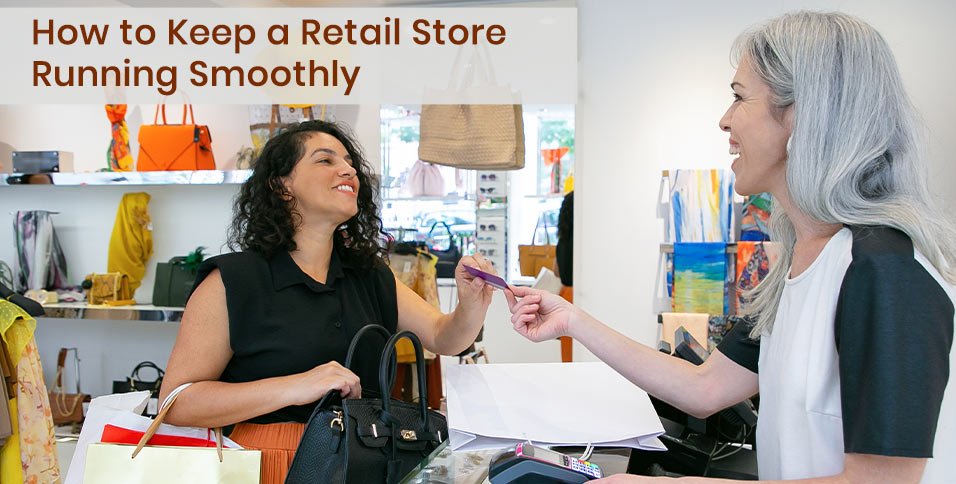
Technology is essential for maintaining efficiency in retail. Use point of sale (POS) systems that offer insights into sales patterns, payment processing, and customer information. These systems make transactions easier and provide useful data for better decision-making.
Consider exploring e-commerce technology to expand your customer base. If you haven’t set up an online platform yet, it may be time to do so. This gives customers more shopping options and can increase your revenue. Ensure your inventory management aligns with both your physical and online offerings to avoid confusion.
Prioritize Regular Maintenance
Regular maintenance is a crucial but often overlooked part of retail operations. Beyond hiring maintenance services, create a routine plan for evaluations and upkeep. This includes checking lighting and maintaining fixtures and signage. An attractive store can improve customer perceptions and boost sales.
Neglecting small issues can lead to larger problems later. For example, a leaking roof can cause water damage and loss of merchandise. By prioritizing maintenance, you can limit unexpected repairs and foster a professional atmosphere that attracts customers.
By focusing on solid inventory management, maintenance, and efficient operations, you can set your retail store up for success. Remember that it’s the small details that contribute to smooth operations. Always look for ways to improve the shopping experience and simplify processes. Adopting these practices will help your store run efficiently and create a positive environment for customers and employees.