Key Takeaways
- Evaluate your home’s electrical capabilities before installation.
- Choose models with superior energy efficiency and SEER2 ratings.
- Integrate smart tech for convenience and optimal cooling.
- Ensure correct system sizing and use qualified professionals for installation.
- Adopt a regular maintenance schedule to extend your AC’s lifespan.
Table of Contents
- Assessing Your Electrical Infrastructure
- Prioritizing Energy Efficiency
- Integrating Smart Technology
- Ensuring Proper Sizing
- The Importance of Professional Installation
- Regular Maintenance for Longevity
Installing a modern air conditioning (AC) system is a significant investment and an opportunity to improve your home’s comfort and energy efficiency. For a seamless experience, there are several important factors to evaluate before making a purchasing decision or scheduling installation. If you are seeking local expertise, look for trusted providers specializing in AC installation in Manasquan, NJ, to ensure professional handling from start to finish.
Without proper planning, your new AC may not deliver the comfort, efficiency, and longevity you expect. Consider how the system will integrate with your existing infrastructure, whether it’s compatible with new technologies, and how maintenance will impact its performance over the years. Paying attention to these aspects helps you avoid common pitfalls and maximize return on investment.
Homeowners should also understand the importance of energy-efficient options, smart technology integration, and the crucial role of professional installation. Taking the time to address each of these areas now will provide lasting benefits long after the installation is complete.
From ensuring adequate electrical support to choosing the right unit size and maintenance routines, thoughtful preparation guarantees your comfort and peace of mind throughout every season.
Assessing Your Electrical Infrastructure
Modern air conditioning units are more advanced and often require greater electrical capacity than older systems. Before installation, a complete evaluation of your electrical service panel is necessary. Most high-efficiency ACs demand dedicated circuits and updated wiring to run safely and efficiently. If your current electrical system is outdated or overloaded, you may need an upgrade to support your new air conditioner and prevent future setbacks, such as circuit breakers tripping or inconsistent performance. Consulting a qualified electrician is recommended to avoid code violations and safety hazards.
Prioritizing Energy Efficiency
Energy-efficient air conditioners use less electricity to provide the same level of cooling as standard models, helping you save on utility costs and reduce your carbon footprint. Focus on units with a high Seasonal Energy Efficiency Ratio 2 (SEER2) rating, as these indicate better performance in real-world conditions. Features like variable-speed compressors enable the system to adjust output based on cooling needs, which minimizes energy waste and maintains consistent, comfortable indoor temperatures. Reviewing efficiency standards and available rebates in your area can further inform your decision and offer additional savings. Learn more about what SEER ratings mean for your household energy usage in central air conditioning systems.
Integrating Smart Technology
Today’s air conditioning systems can integrate seamlessly with smart home technology. Installing a smart thermostat provides the convenience of remote temperature adjustments and custom scheduling. Many models use machine learning to analyze your habits and optimize cooling routines, leading to improved comfort and energy savings. Advanced AC systems can also send real-time maintenance notifications, reducing the risk of breakdowns and costly repairs. When assessing potential upgrades, ensure the new system and any smart accessories are compatible with your home’s Wi-Fi network and any existing automation devices.
Ensuring Proper Sizing
Choosing a properly sized AC unit is critical to comfort, efficiency, and system longevity. An undersized unit will run constantly without ever achieving the desired temperature, while an oversized system cools spaces too rapidly, causing frequent on-off cycling and unnecessary wear. Professionals determine the appropriate size by conducting a Manual J load calculation, which takes into account factors such as your home’s square footage, insulation quality, sun exposure, window sizes, and local climate. Never base your selection solely on the old system’s capacity, as household conditions may have changed over time.
The Importance of Professional Installation
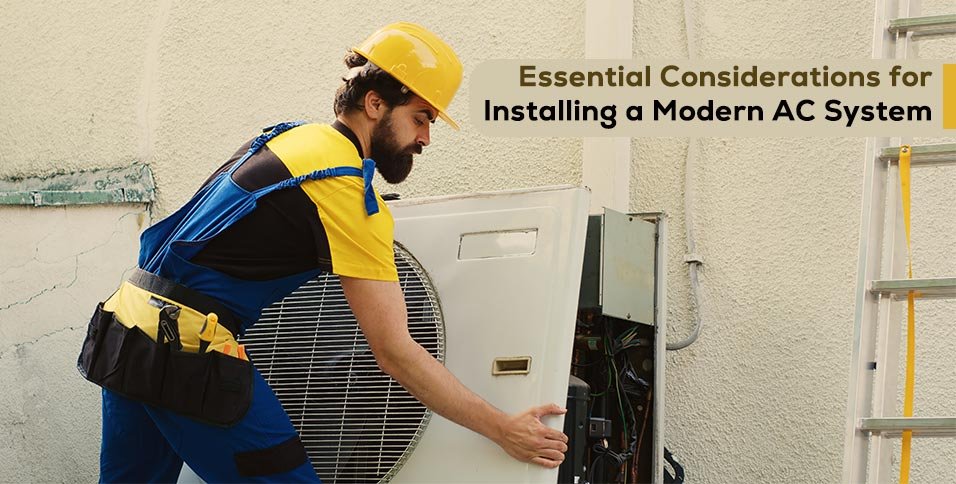
Even the highest quality AC systems require expert installation to operate safely and efficiently. Experienced HVAC technicians ensure the system is set up according to manufacturer specifications and local building codes. They can handle necessary ductwork modifications, correct refrigerant charging, and calibration of controls. Professional installation helps avoid installation errors that could lead to future breakdowns, degraded efficiency, or safety issues. In many cases, improper installation may void the manufacturer’s warranty.
Regular Maintenance for Longevity
After installation, ongoing maintenance is essential to protect your investment. Schedule annual professional inspections to check refrigerant levels, clean evaporator and condenser coils, inspect electrical components, and clear the condensate drain line. Simple seasonal maintenance, such as changing air filters and keeping outdoor units free of debris, supports proper airflow and extends system life. Regular upkeep not only ensures efficient operation but also minimizes the likelihood of unexpected failures during peak usage periods.
Addressing these considerations with thoughtful planning and quality installation leads to reliable cooling, lower utility costs, and greater peace of mind over the lifespan of your modern AC system.