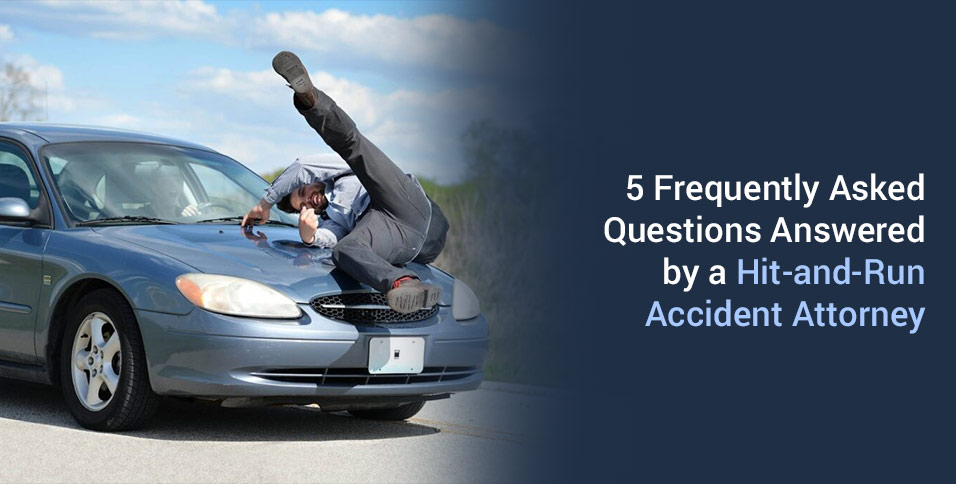
When someone leaves the scene of a crash, it’s called a hit-and-run. And even though the driver might be gone, your right to get help and compensation is not.
Below, we’re answering the most common and important questions people ask after a hit-and-run accident, based on what attorneys who handle these kinds of cases hear every day.
If you’ve been through something like this, you really should speak with attorneys specialized in hit-and-run accidents to start your claim.
1. Is leaving the scene of an accident actually a crime?
Yes, it is. In most other states, driving away from the scene of a crash is a criminal offense. It doesn’t matter if the accident was minor or serious; leaving without stopping, checking on others, and exchanging information is against the law.
- If no one was seriously hurt, it’s a first-degree misdemeanor
- If someone were seriously injured, it would become a fifth-degree felony
- If the driver knew someone was seriously hurt and still left, it’s a fourth-degree felony
- If the accident caused a death, it goes up to a third-degree felony
- And if the driver knew someone died and still fled, they could face a second-degree felony
So yes, hit-and-run drivers are breaking the law, and if they’re found, they can face serious penalties. Unfortunately, many of them aren’t found. That’s why your own insurance and legal steps become so important.
2. How can I recover compensation if the driver isn’t found?
If you don’t know who hit you, how can you get paid for your injuries and repairs? The most likely path is through your uninsured motorist coverage, if your policy includes it. This type of insurance is designed for exactly this kind of situation, when the other driver is unknown or doesn’t have insurance.
But here’s the catch: You usually have to act fast. Many policies have strict deadlines for when you must report the crash and file a claim under this coverage. That’s why it’s so important to contact your insurance company as soon as possible after the accident.
Your insurance company will then investigate. That process might include:
- Reviewing the police report
- Taking witness statements
- Looking at photos or videos from the scene
- Asking for your medical records
This process can be frustrating. Some people are surprised at how hard their own insurance makes it to get a fair payout. That’s why having a lawyer can help a lot. If you can’t reach a fair settlement, you usually can’t sue your insurance company, so getting it right the first time is key.
3. Can I still get help from a lawyer if I don’t know who hit me?
Yes, absolutely. In fact, hit-and-run cases are one of the times you really should have a lawyer. You might think a lawyer can only help if the other driver is found, but that’s not true.
A good hit-and-run attorney can help you:
- Collect all the right evidence for your claim
- Make sure your insurance deadlines are met
- Handle back-and-forth with the insurance company
- Push back if the company offers too little or denies your claim
- Prepare for court if needed (in rare cases)
Even if it seems like an insurance-only issue, lawyers who work with hit-and-run cases every day know how to spot gaps, build strong arguments, and keep things moving forward.
4. Can my insurance rates go up after a hit-and-run?
Most of the time, no. If you didn’t cause the accident, your rates usually shouldn’t go up just because you made a claim. Insurance companies don’t raise your premiums unless you were at fault. But this isn’t a hard rule. Some companies may raise rates slightly after any claim. That’s something to keep an eye on and discuss with your lawyer if it happens.
5. What if my insurance company refuses to pay fairly?
This happens more often than it should. Your insurer might say there’s not enough proof, that you waited too long, or that the damages don’t match your story.If this happens, your best move is to let a lawyer take over communication with the insurance company. They know the language, the strategies, and how to push for the full value of your claim. Sometimes, just having a lawyer involved is enough to get the insurer to take your case more seriously.
Also Read: 5 Immediate Things to Do After Being Involved in a Hit and Run Accident