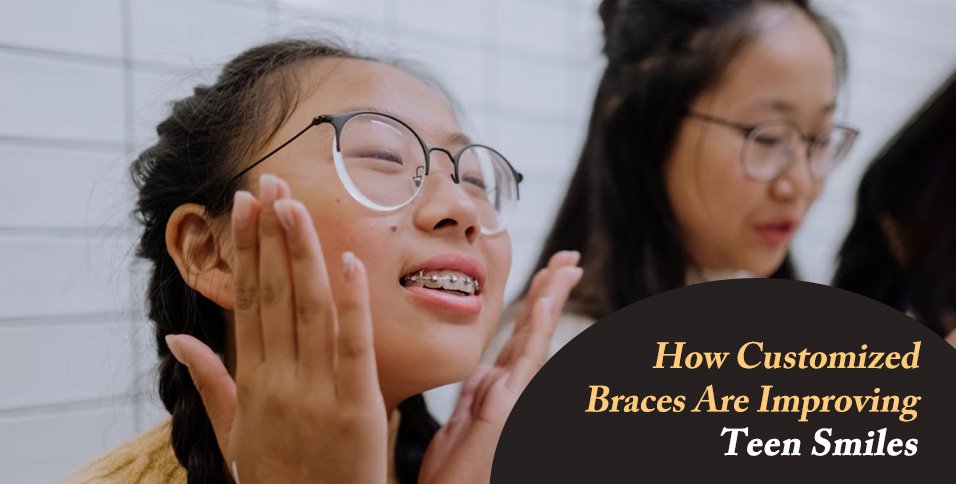
A teen smile used to come with a pretty standard package: metal brackets, regular tightening visits, and a lot of mashed potatoes after appointments. That’s still familiar, but orthodontic care has started to look more personal. Across North Carolina, many families are looking for orthodontic treatments that offer greater comfort, a better fit, and a plan that works with busy school and family schedules.
Why fit matters
When braces are designed with more precision, the whole treatment experience can feel less like wearing borrowed shoes. Teeth move in very individual ways, so a personalized plan makes sense for many families.
If you’re exploring orthodontic options in North Carolina, many families consider lightforce custom braces at NC because they offer a treatment approach designed around each patient’s individual tooth shape rather than a one-size-fits-all system.
A better fit can matter from day one. Brackets that align more closely with the treatment plan may help things feel more streamlined. You still have an adjustment period, of course. Braces are braces, not magic marshmallows. Still, when treatment starts with a more tailored design, families often feel like the process has been thought through instead of copied and pasted.
Comfort changes everything
Comfort might sound like a small detail, but it can shape the whole month after braces go on. If your teen is sore, cranky, and suddenly acting like apples are a personal enemy, the treatment feels much bigger than it looks.
A more customized system may help reduce some of the little annoyances that build up over time. Think about school lunches, sports practice, band rehearsal, and talking through a class presentation without feeling awkward. Even mild discomfort can seem huge when it shows up every day.
This is where practical life matters more than fancy terminology. You want to know whether your child can get through Tuesday without turning orthodontics into the headline story at dinner. Better comfort may not erase every rough patch, but it can make the adjustment easier to handle.
And let’s be honest, if braces interfere less with eating, speaking, and normal routines, everybody wins. That includes the parent who is tired of hearing, “My mouth feels weird,” for the fifteenth time before breakfast.
Confidence during treatment
For many teens, braces are not just about teeth. They’re about selfies, school pictures, lunch tables, and whether they feel different in a room full of people who notice everything.
That emotional side gets overlooked sometimes. Adults tend to focus on the end result, but teens live in the middle part. They care about what the braces look like now, how they feel when they smile, and whether treatment makes them more self-conscious.
Customization can help here in a quiet but important way. When treatment feels more intentional, teens may feel less like they’re wearing a clunky appliance and more like they’re using a tool designed for them. That’s a subtle shift, but it matters.
Confidence doesn’t come from braces alone, of course. It also comes from clear expectations and support at home. If your teen understands what’s happening and why, they’re less likely to feel blindsided by changes. A calm explanation can do a lot. So can reminding them that nearly everyone has an awkward phase. Some just wear it with brackets.
The time-saving factor
Parents often think first about cost, but time is right up there. Orthodontic treatment is a long relationship, not a one-and-done errand. Every extra visit means car rides, missed class time, and calendar gymnastics.
A more tailored treatment plan may help make the overall treatment process feel more organized and predictable, although each patient’s experience will differ. Not every patient will have the exact same experience, but predictability is a real benefit for busy families.
That matters if you’re balancing work, school pickups, soccer practice, and the mysterious pile of forms that appears in every backpack. You don’t need treatment to be perfect. You need it to be manageable.
It also helps when teens can see progress clearly. If the plan feels organized, they’re more likely to stick with hygiene routines and follow instructions. That can reduce setbacks caused by broken brackets, skipped care, or careless snacking. Orthodontics may be about teeth, but scheduling is half the battle. Maybe three-fifths on Thursdays.
What parents should ask
A consultation can feel a little overwhelming if you don’t know what matters most. Instead of trying to memorize every term, focus on a few simple questions that connect treatment to daily life.
You can ask things like:
- How is this option tailored to my child’s teeth?
- What kind of soreness should we expect at the start?
- How often will follow-up visits happen?
- Will treatment affect sports, music, or eating habits?
- What cleaning routine works best with this setup?
- Are there signs something isn’t fitting correctly?
Those questions keep the conversation grounded. You’re not trying to sound like an orthodontist. You’re trying to figure out whether this plan fits your family.
It’s also smart to ask about the likely timeline and what could slow it down. That gives you a more realistic picture of the commitment. Good decisions usually come from plain answers, not shiny buzzwords or a waiting room TV that insists everyone is about to become wildly organized.
A smarter smile choice
Personalized braces appeal to modern families for a simple reason: people want healthcare that feels built around real life. That includes comfort, confidence, scheduling, and the small details that make treatment easier to live with.
Custom options are not about chasing trends. They’re about asking whether a more precise fit can improve the day-to-day experience for a teen who still has homework, friendships, activities, and a strong opinion about crunchy snacks.
If you’re weighing different orthodontic paths, it helps to look past the basic before-and-after promise. Ask how treatment will feel on a random school day. Ask how it works with your routine. Ask whether the plan seems thoughtful rather than generic.
That balanced approach usually leads to better choices. A straighter smile is the goal, sure, but the road to get there matters too. When treatment fits the person wearing it, the process often feels less stressful and a lot more doable. And that can be something worth smiling about before the braces even come off.