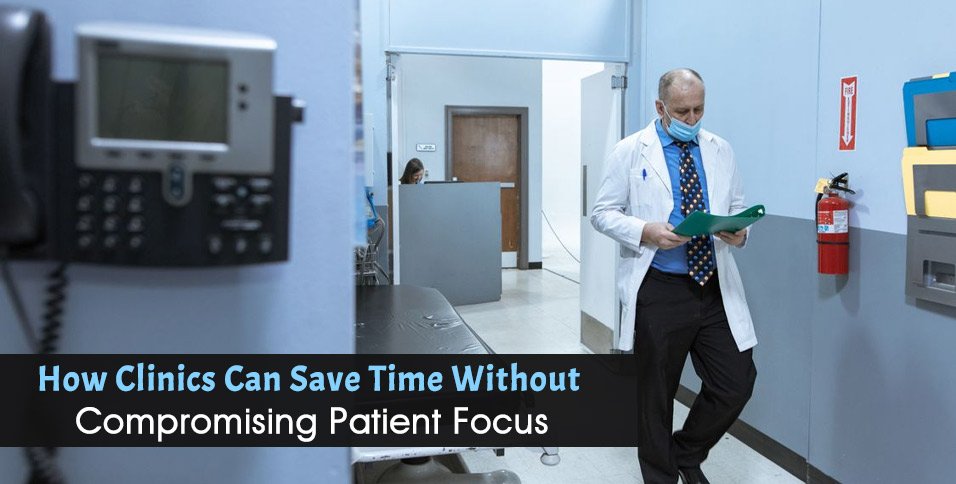
Running a clinic means balancing patient care with ringing phones, portal messages, refill requests, and constant documentation. Most clinicians want to give patients their full attention, but charting and follow-up tasks can take over the day. The challenge is saving time without making visits feel rushed or impersonal. With practical workflow improvements, clinics can protect schedules while keeping care attentive, calm, and human.
A Smarter Workflow
When clinic days feel overloaded, the problem is often not the visit itself but everything surrounding it. Providers lose time typing notes, clicking through records, and cleaning up documentation instead of focusing on the person in front of them.
A smarter workflow can reduce that burden. One effective step is using a medical dictation tool such as OpenWhispr. Instead of typing every note manually after each appointment, clinicians can speak naturally and turn conversations into documentation more efficiently. That simple shift can reduce the repetitive note-taking that accumulates across the day.
The benefit is straightforward: when providers spend less time on routine documentation, they gain more time and mental energy for patient care. Technology does not need to replace the human side of medicine. Used well, it creates more room for it.
Why Time Gets Lost
In most clinics, time disappears gradually rather than all at once. A few extra minutes finishing one note, a pause to answer inbox messages, or a return to an earlier chart because details were not captured clearly enough may seem minor alone. Over a full day, those delays add up quickly.
Manual note-taking is one of the biggest causes. Typing while listening divides attention and is often slower than it seems. Repeated documentation is another common drain, with the same information entered in multiple places. That duplication creates more work without improving care.
After-hours charting adds a heavier burden. Notes not completed during clinic hours tend to follow providers home, turning personal time into catch-up time. Constant task switching makes this worse. Moving between patient visits, refill requests, lab messages, and chart updates forces the brain to reset repeatedly, making the day feel fragmented and mentally exhausting.
Better Visits for Patients
When documentation becomes faster and less distracting, patients often notice the difference right away. Clinicians can look at the patient more and the screen less. That change may sound small, but it matters. Eye contact builds trust, and a more natural conversation helps people feel heard.
This is especially important in sensitive or complex visits. A parent bringing in a sick child may be anxious and trying to recall symptoms quickly. An older adult may be managing several medications and concerns, with details they nearly forgot to mention. If the clinician is focused heavily on typing, important information can be missed. Faster note capture makes it easier to stay present and listen carefully.
Patients also benefit when the visit feels less rushed. They are more likely to ask questions, clarify symptoms, and leave with a better understanding of the plan. Clearer documentation helps the rest of the team as well. Nurses and front-desk staff spend less time chasing missing information when charts are completed sooner and contain the details they need. Improved note-taking supports the flow of the entire visit, not just the provider’s workload.
Less Stress After Hours
One of the hardest parts of clinic work is that the day often continues long after the last patient leaves. Many clinicians still face unfinished notes, chart review, and evening messages. That ongoing catch-up can become physically and mentally draining.
Reducing documentation time helps protect personal hours. For some providers, that means leaving work on time. For others, it means not reopening a laptop late at night to finish charts that lingered all day. Even a modest reduction in after-hours charting can make a meaningful difference.
This matters not just for convenience but for sustainability. Less off-the-clock documentation can reduce burnout by helping clinicians feel less behind and less mentally cluttered. No single tool will solve every pressure in healthcare, but reducing note burden is one practical step that can make the job more manageable over time.
Where It Helps Most
Dictation support can be useful in many settings, but some environments may see results especially quickly. Primary care is a strong example because visits often include several concerns in a limited time. Clinicians need a fast way to capture details without repeatedly interrupting the conversation.
Follow-up visits are another strong fit. Patients may be discussing medication changes, symptom progress, test results, or treatment plans from the last appointment. Those details matter, but the note should not take longer to complete than the visit itself.
Specialist consults can benefit as well because they often involve longer histories and more complex explanations. In high-volume clinics, the impact may be even greater. Saving just two or three minutes per patient can add up over a full day. That extra time can help absorb delays, improve staff coordination, or simply create a calmer pace for everyone.
Choosing the Right Tool
For clinics evaluating a medical dictation solution, the most important criteria are usually practical rather than flashy. Ease of use comes first. If a tool feels complicated from the start, staff may avoid it. A simple setup and natural voice capture are often more valuable than a long list of extra features.
Accuracy is just as important. Dictation does not save time if clinicians must spend that time fixing errors. The tool also needs to fit naturally into the clinic’s existing workflow. A product may look impressive in a demonstration and still feel awkward during real visits.
Staff adoption matters as much as technical performance. If providers, nurses, or assistants are not comfortable with the system, implementation can stall. The best solution usually supports how the team already works and requires only small adjustments. In practice, the right tool should feel less like a major overhaul and more like a useful shortcut.
Small Changes Add Up
Clinics do not always need dramatic transformation to become more efficient. Often, small improvements create the biggest long-term gains. Faster note capture, fewer repeated tasks, and less after-hours charting can gradually make each day feel more manageable.
These changes improve more than productivity. When clinicians are less rushed and less buried in administrative work, it becomes easier to focus, listen closely, and make thoughtful decisions. That kind of efficiency supports better care instead of making patients feel processed.