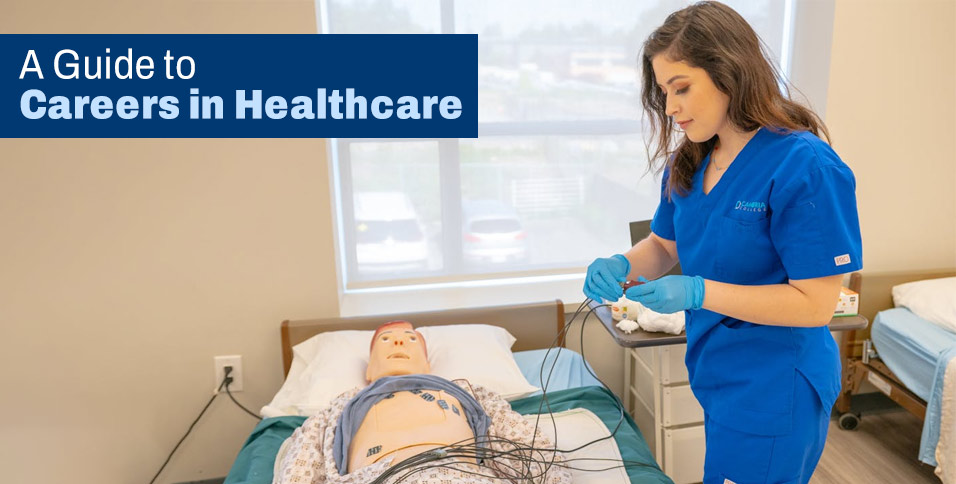
Have you ever looked at the healthcare field and wondered where you would even begin? It can feel wide, complex, and hard to navigate at first glance. Yet behind that complexity sits a system full of clear paths and steady opportunities. In this blog, we will share how healthcare careers work, what options exist, and how to choose a path that fits your goals.
Understanding the Scope of Healthcare Careers
Healthcare is not one job type. It is a network of roles that range from direct patient care to research, administration, and public health planning. When people think of healthcare, they often picture doctors and nurses, yet the system depends on many other professionals who keep it running.
Recent global events made this clearer than ever. During the pandemic, attention focused not only on frontline staff but also on lab technicians, data analysts, and public health teams who tracked outbreaks and shaped responses. That moment showed how broad the field really is.
This variety gives you options. If you prefer hands-on work, roles like nursing, medical assisting, or therapy place you directly with patients. If you lean toward analysis or planning, areas like healthcare administration or epidemiology may suit you better. Each path plays a role in the same system, even if the daily work looks very different.
Education Paths and Long-Term Direction
Healthcare careers follow different education routes depending on the level of responsibility you want to take on. Some positions require short-term training programs, while others involve years of study and advanced degrees.
For those interested in leadership or shaping policy, pursuing a doctorate in public health can open doors to roles that influence entire communities. This path focuses on prevention, health systems, and large-scale planning rather than individual patient care. It reflects a growing need for professionals who can address public health challenges at a broader level.
This shift connects to current trends. Governments and organizations now invest more in prevention and data-driven decision-making, especially after recent global health crises. Professionals trained at this level help guide those efforts, making their work both relevant and impactful.
At the same time, not every career requires long academic commitment. Many roles allow you to enter the workforce faster while still offering room to grow. The key is to understand what each path demands and what it offers in return.
When evaluating programs, focus on practical training, certification requirements, and job placement support. These factors affect how prepared you will be once you step into a real work setting. Choosing the right program is less about prestige and more about readiness.
Clinical Roles and Direct Patient Care
Clinical roles form the core of healthcare. These positions involve direct interaction with patients and often require quick thinking, strong communication, and steady focus. Nurses, therapists, technicians, and physicians all fall into this category, each with a specific function within patient care.
Working in these roles means dealing with real situations where decisions carry weight. A nurse managing multiple patients during a busy shift or a technician assisting in a procedure must stay alert and organized. The work is demanding, yet it offers immediate results that many find meaningful.
There is also a level of unpredictability that comes with clinical work. No two days look the same, and situations can change quickly. This keeps the job engaging but also requires resilience. Many professionals develop routines and habits that help them stay grounded, even during intense moments.
If you are considering this path, focus on building strong communication skills and attention to detail early on. These traits support both patient care and teamwork, which are central to clinical environments.
Non-Clinical Roles That Keep the System Running
Not every healthcare job involves patient care, and these non-clinical roles are just as important. Administration, billing, health information management, and policy planning all contribute to how healthcare systems function.
These positions often attract people who prefer structured work environments and long-term planning over immediate patient interaction. They involve coordination, data management, and decision-making that affects how services are delivered.
The rise of digital health systems has increased demand in these areas. Electronic records, data analysis, and telehealth services require skilled professionals who can manage complex information while maintaining accuracy and privacy.
Choosing a non-clinical path does not mean stepping away from impact. Decisions made in these roles influence patient outcomes indirectly by improving efficiency and access to care. It is a different type of contribution, but it remains essential.
Growth, Specialization, and Career Movement
Healthcare careers rarely stay fixed. As you gain experience, opportunities to specialize or move into new roles begin to appear. A nurse might shift into a specialized unit, while an administrator may move into leadership positions.
This movement reflects how the field values both experience and continued learning. Certifications, additional training, and advanced degrees can expand your options over time. The process takes effort, yet it allows you to shape your career based on changing interests and goals.
There is also a broader trend toward lifelong learning in healthcare. New treatments, technologies, and care models continue to emerge, which means professionals must stay updated to remain effective. This constant change keeps the field dynamic, even for those who have worked in it for years.
Planning for growth early helps you make better choices. Consider where you want to be in the future and choose roles that build toward that direction. Each step should add new skills rather than repeating the same experience.
Practical Steps to Enter the Field
Starting a career in healthcare becomes easier when broken into clear actions. Begin by researching roles that align with your interests and strengths. Look at daily responsibilities, work settings, and required training for each option.
Next, choose an educational path that fits your timeline and goals. Whether it is a short program or a longer degree, make sure it includes hands-on experience. Practical training prepares you for real situations and builds confidence.
After enrolling, focus on developing consistent habits. Stay organized, review material regularly, and practice skills until they feel natural. These habits reduce stress and improve performance over time.
Building connections also helps. Talk to instructors, classmates, and professionals already working in the field. Their insights can guide your decisions and open doors to opportunities.
Finally, approach the process with patience. Healthcare careers develop over time, and progress may feel slow at first. Each step, however small, moves you closer to a role that offers both stability and purpose in a field that continues to grow and adapt.