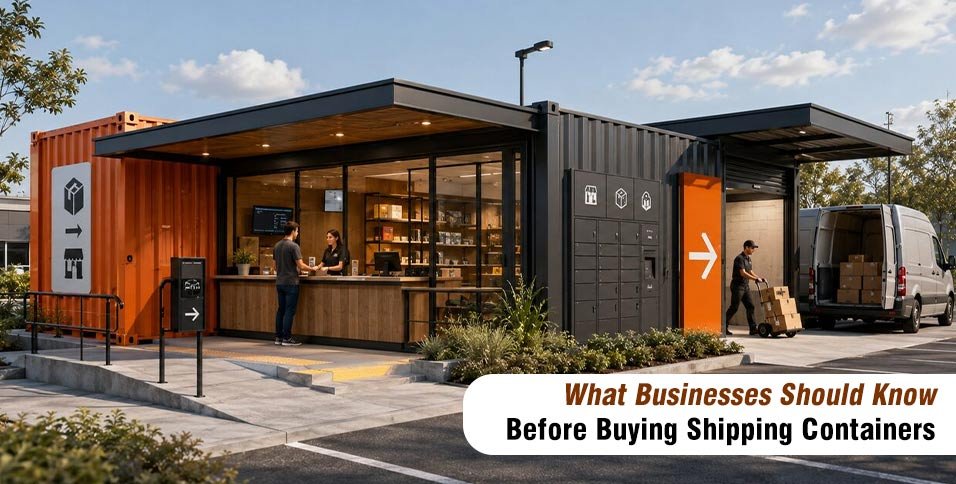
Understand the real costs behind container pricing, delivery, condition, and site preparation so you can make a more informed purchasing decision.
For businesses that need additional storage, temporary infrastructure, or flexible space, shipping containers can provide a practical option. However, purchasing one involves more than comparing advertised prices.
Business owners and operations managers need to consider container size, condition, delivery requirements, site preparation, and supplier reliability before making a decision. Overlooking any of these factors can increase costs or create delays once the container reaches the property.
Understanding the full purchasing process can help organizations evaluate shipping containers based on their operational needs rather than price alone.
Look Beyond the Advertised Container Price
One of the first questions businesses ask is how much a shipping container will cost. While the purchase price matters, it does not necessarily represent the total cost of ownership.
Several factors can influence the final amount, including:
- Container size and configuration
- New or used condition
- Delivery distance
- Site accessibility
- Required modifications
- Placement or preparation work
A lower-priced container may not represent better value if additional transportation, repairs, or modifications are required.
Businesses should therefore request pricing that clearly identifies what is included. Comparing quotes on the same basis makes it easier to understand the actual cost of placing a usable container on site.
For organizations researching shipping containers, reviewing available sizes, conditions, and purchasing considerations before requesting a quote can provide a clearer starting point.
Choose the Right Size and Condition
Selecting the appropriate container can have a significant effect on both cost and usability.
Common options include 20-foot and 40-foot containers, along with standard-height and high-cube configurations. The right size depends on the volume of goods being stored, available site space, loading requirements, and expected future needs.
Condition is equally important.
Businesses may encounter descriptions such as one-trip, cargo worthy, or wind and watertight. Each category serves a different purpose and can come with a different price point.
A business using a container primarily for secure equipment storage may have different requirements from an organization planning to modify a container for another commercial application.
Before purchasing, define how the container will be used and which features are necessary. This prevents businesses from paying for specifications they do not need or purchasing a unit that requires replacement sooner than expected.
Plan for Delivery Before Ordering
Delivery is one of the most important practical considerations in the purchasing process.
A container may be suitable in size and condition but still create operational problems if the delivery vehicle cannot safely access the intended placement area.
Before arranging delivery, review:
- Entrance width and turning space
- Overhead wires, branches, or structures
- Ground stability
- Container placement direction
- Clearance around the delivery area
- Seasonal site conditions
The surface should generally be stable and reasonably level so the container can be positioned securely.
Discussing these details with the supplier before delivery can reduce the possibility of failed placement attempts, unexpected charges, or operational disruption.
For corporate buyers, this preparation is particularly important because delivery problems can affect schedules, labour requirements, and site access.
Verify Supplier and Container Information
A purchasing decision should also account for supplier credibility and container condition.
Businesses should understand exactly what they are purchasing and confirm that descriptions used in the quote match the intended application.
Useful questions include:
- What condition or grade is the container?
- Can the actual unit be inspected or documented?
- What is included in the quoted price?
- How will delivery be completed?
- Are modifications available if required?
- What should be prepared before delivery?
Clear answers allow buyers to compare suppliers more consistently and reduce uncertainty before committing funds.
Organizations should also investigate whether local planning, zoning, or permitting requirements apply. Rules can differ between municipalities and may depend on factors such as placement, intended use, duration, property type, or modifications.
Confirming local requirements early can prevent a container from becoming an unexpected compliance issue.
Make the Purchase Based on Operational Value
Buying a shipping container should be treated as an operational purchasing decision, not simply a search for the lowest advertised price.
The most suitable option is one that balances purchase cost with container condition, usable capacity, delivery logistics, expected lifespan, and site requirements.
Businesses can make the process more predictable by determining their needs before contacting suppliers, comparing equivalent container specifications, and confirming delivery conditions in advance.
This approach helps decision-makers understand what they are paying for and whether the container will serve its intended purpose once it arrives.
For businesses evaluating additional storage or flexible commercial space, careful planning can turn a shipping container purchase into a straightforward addition to existing operations rather than an unexpected logistical challenge.
Additional Resources
Businesses researching purchasing options in Canada can review additional information about shipping containers for sale, including common sizes, conditions, and considerations when comparing available units.