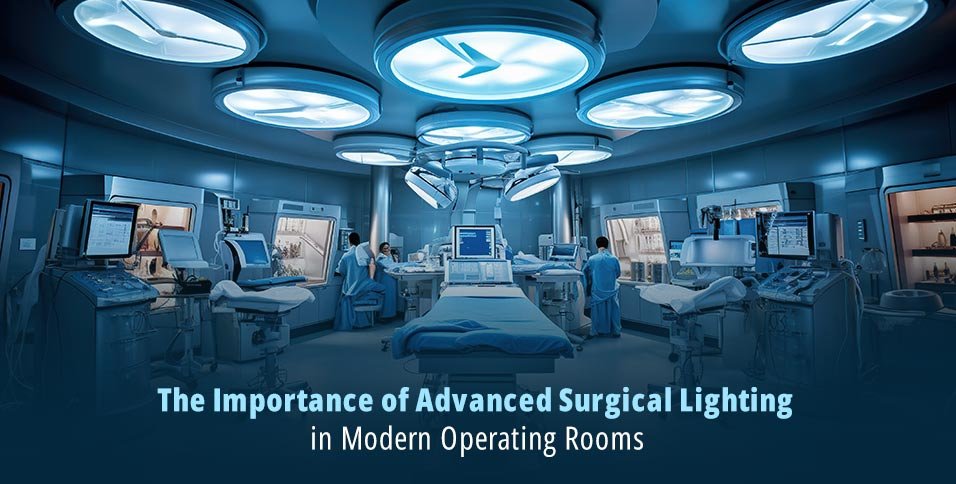
Modern operating rooms depend on advanced medical equipment to support surgical teams and maintain safe working conditions. Among the most important elements is surgical lighting. Surgeons need clear, consistent illumination to examine tissues, identify anatomical structures, and perform procedures with accuracy. Poor lighting can create unnecessary challenges, particularly during complex operations where visibility is essential.
As healthcare technology continues to develop, hospitals are paying greater attention to the quality, performance, and reliability of their operating room lighting systems.
Why Surgical Lighting Matters in Healthcare
Surgical lighting does much more than brighten an operating room. It provides focused illumination directly over the surgical area, helping medical professionals see important details throughout a procedure. Unlike ordinary room lights, operating lights are designed to maintain consistent brightness while minimizing shadows.
During surgery, the medical team may change positions or work at different angles. A reliable lighting system helps maintain visibility even when the surgeon’s hands, instruments, or other equipment partially block the light source.
Proper illumination is particularly important for procedures involving small structures, delicate tissues, and detailed surgical work. It also helps reduce visual strain for surgeons who spend extended periods performing operations.
Understanding LED Technology in Operating Room Lights
LED technology has become an important development in modern surgical lighting. Traditional lighting systems often consume more energy and generate considerable heat. LED operating lights address several of these limitations through efficient illumination and improved temperature management.
One major advantage of LED technology is its ability to produce bright, consistent light while consuming less electricity. This can help hospitals manage long-term operating costs, particularly in facilities where surgical rooms are used frequently.
LED lights also generally offer longer operating lifespans than traditional alternatives. This reduces the need for frequent bulb replacements and can help minimize maintenance interruptions.
Another useful feature is adjustable brightness. Surgeons can modify illumination levels according to the requirements of different procedures, creating a more suitable working environment.
The Importance of Shadow Reduction
Shadows can interfere with visibility during surgical procedures. They may occur when surgeons, assistants, or medical instruments block the direct path of light.
Shadowless operating lights are designed to reduce this problem by using multiple light sources arranged strategically around the surgical area. This arrangement helps distribute illumination more evenly, even when certain parts of the light are obstructed.
The quality of shadow reduction depends on several factors, including the number of light sources, reflector design, positioning, and overall optical performance.
Hospitals should evaluate these features carefully when selecting lighting equipment. A system that provides consistent illumination from different angles can make it easier for surgical teams to maintain visibility throughout procedures.
Features Hospitals Should Consider Before Choosing Surgical Lights
Selecting suitable operating room lighting requires more than comparing prices. Healthcare facilities should consider several technical and practical features before making a purchasing decision.
Adjustable Brightness: Different surgical procedures require different illumination levels. Adjustable brightness allows medical professionals to create suitable lighting conditions for their work.
Color Temperature Control: The ability to adjust color temperature can help surgeons maintain comfortable visibility and distinguish tissue details under different lighting conditions.
Low Heat Generation: Excessive heat around the surgical area can create discomfort. Modern LED systems are designed to produce less heat while maintaining effective illumination.
Flexible Positioning: Adjustable arms and positioning mechanisms allow medical staff to direct light toward the surgical area without unnecessary difficulty.
Easy Cleaning: Operating room equipment must support strict hygiene practices. Smooth surfaces and appropriately enclosed designs can make cleaning and maintenance easier.
Working With Experienced Medical Equipment Manufacturers
Choosing reliable equipment suppliers is another important part of planning an operating room. Hospitals and healthcare distributors should evaluate product specifications, manufacturing quality, certifications, warranty conditions, and technical support before placing orders.
Experienced surgical light manufacturers can help healthcare facilities identify suitable lighting configurations for different clinical environments. Their product ranges may include ceiling-mounted operating lights, mobile surgical lights, and examination lights for clinics and medical facilities.
Buyers should also ask about customization options, installation guidance, replacement components, and after-sales assistance. These considerations become particularly important for hospitals purchasing equipment in bulk or managing multiple operating rooms.
A supplier that provides clear technical information and responsive support can make the purchasing and installation process more manageable.
Maintenance and Long-Term Performance
Even advanced surgical lighting systems require regular inspection and maintenance. Hospitals should establish maintenance schedules to ensure that equipment continues to perform as expected.
Routine checks may include examining light intensity, testing adjustment mechanisms, inspecting electrical connections, and checking the condition of mounting structures. Cleaning should follow the manufacturer’s recommendations and the healthcare facility’s infection prevention procedures.
Staff should also receive appropriate guidance on operating the equipment safely. Understanding adjustment controls and maintenance requirements can help prevent avoidable problems.
Preventive maintenance is generally more practical than waiting for equipment to develop faults during critical working hours.
Conclusion
Surgical lighting plays an essential role in creating suitable working conditions inside modern operating rooms. From advanced LED technology and shadow reduction to adjustable brightness and flexible positioning, today’s systems offer several features that support surgical visibility and workplace efficiency.
Hospitals should consider technical performance, durability, hygiene, maintenance requirements, and supplier support when investing in new lighting equipment. Making informed purchasing decisions can help healthcare facilities build reliable operating environments that meet the changing needs of medical professionals.