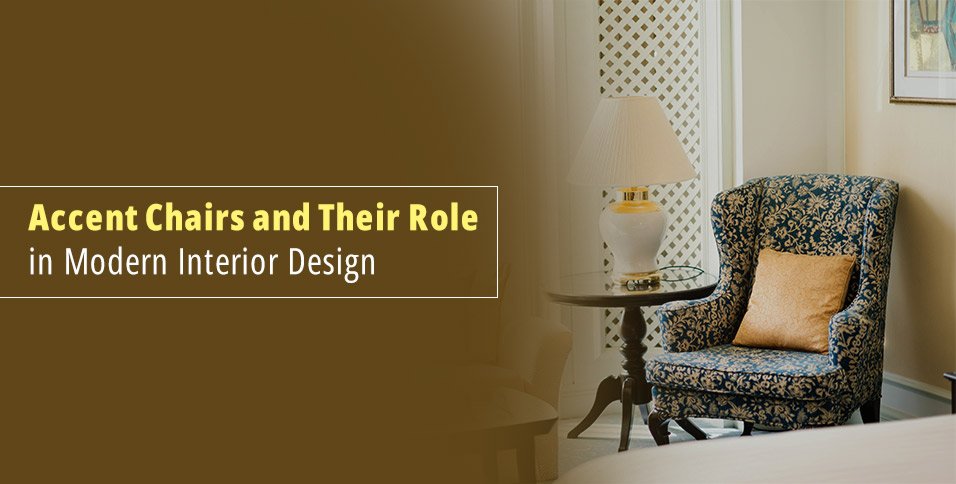
Furniture does more than provide practical use within a home. The right combination of shapes, materials and colours can influence how a room feels and how different areas connect with one another. While larger pieces such as sofas, dining tables and beds usually establish the main character of a room, smaller furniture can provide the details that complete the overall setting. Among these pieces, accent chairs offer an interesting combination of comfort, personality and visual appeal.
An accent chair does not necessarily need to match every other item in a room. In many interiors, its purpose is to introduce a different texture, colour or shape while still working naturally with the existing furniture. This makes it a flexible option for people who want to refresh a room without completely changing its contents.
Creating a Focal Point
One of the most noticeable functions of an accent chair is its ability to create a visual focal point. A room dominated by neutral furniture can sometimes benefit from a chair in a contrasting shade or a distinctive design.
The contrast does not have to be dramatic. A soft green chair in a neutral living room, for example, can introduce colour without overwhelming the space. Similarly, a chair with a curved back can provide visual variety when the surrounding furniture has predominantly straight lines.
This approach allows smaller furniture pieces to contribute to the character of an interior without becoming the dominant feature.
Balancing Style and Comfort
Appearance is only one consideration when selecting seating. A chair may look attractive, but it also needs to work within the practical requirements of the room.
Comfort can depend on several factors, including seat depth, back support, cushioning and overall proportions. The intended use is also important. A chair placed beside a bookshelf may be used for reading, while one positioned in a living room may become part of a larger social seating arrangement.
Therefore, choosing furniture involves considering both visual and functional requirements. A successful interior generally brings these two elements together rather than treating them separately.
Working With Different Interior Styles
Accent chairs can work with a wide variety of decorating approaches. In contemporary rooms, chairs with simple silhouettes and clean lines can reinforce a modern appearance. Traditional interiors may benefit from upholstered designs, textured fabrics or more decorative shapes.
For homes influenced by Scandinavian interiors, natural-looking materials and understated colours can create a calm atmosphere. In more eclectic spaces, a distinctive chair can be used to introduce a contrasting pattern or colour.
The key is not necessarily to find furniture that is identical to everything else. Instead, individual pieces can share one or two visual characteristics, such as colour, material or shape, while maintaining enough difference to create interest.
Making Use of Smaller Spaces
Another advantage of individual chairs is their ability to work within areas where larger furniture may not be practical. A compact chair can occupy an unused corner of a bedroom, living room, hallway or home office.
For example, an empty corner beside a window can become a small reading area with the addition of a chair and a side table. Similarly, a bedroom may benefit from a comfortable seat that provides a place to read or prepare for the day.
This can make a room feel more purposeful without requiring major structural changes.
Colour and Texture
Colour is one of the simplest ways to influence the atmosphere of an interior. Neutral furniture can provide a foundation, while smaller pieces can introduce stronger shades.
Texture is equally important. Upholstery, wood, woven materials and other finishes can create differences that are noticeable even when the overall colour palette remains restrained.
A room containing several similar surfaces may appear visually flat. Introducing a different material through seating can create additional depth and make the environment feel more layered.
Considering Proportion
Proportion is often overlooked when choosing furniture. A chair that is too large can make a compact room feel crowded, while a very small chair may look disconnected in a large open space.
Before selecting seating, it is useful to consider the dimensions of the available area and the position of surrounding furniture. Doorways, windows, walkways and other fixed features should also be taken into account.
The objective is to create enough space for comfortable movement while allowing the furniture to feel naturally integrated into the room.
Furniture That Adapts Over Time
Interior preferences can change over the years. A room that currently serves as a formal sitting area may eventually become a family space, reading corner or home office.
Flexible furniture can therefore be useful because it may be moved between rooms or used for different purposes. A well-designed chair does not necessarily have to remain in one particular location throughout its entire life.
This flexibility is especially useful in homes where available space and household requirements change over time.
The Broader Role of Accent Furniture
accent chairs demonstrate how relatively small furniture pieces can influence the character of an interior. They can provide additional seating, introduce colour, create a focal point or make an unused part of a room more functional.
The best approach is to consider the entire environment rather than choosing a chair in isolation. Room dimensions, existing furniture, colour schemes, comfort requirements and intended use all contribute to the final result.
As interior design continues to move towards more individual and adaptable spaces, smaller furniture pieces can play an increasingly important role. A carefully chosen chair may be a simple addition, but it can help bring together practical needs and personal style in a way that makes a room feel more complete.