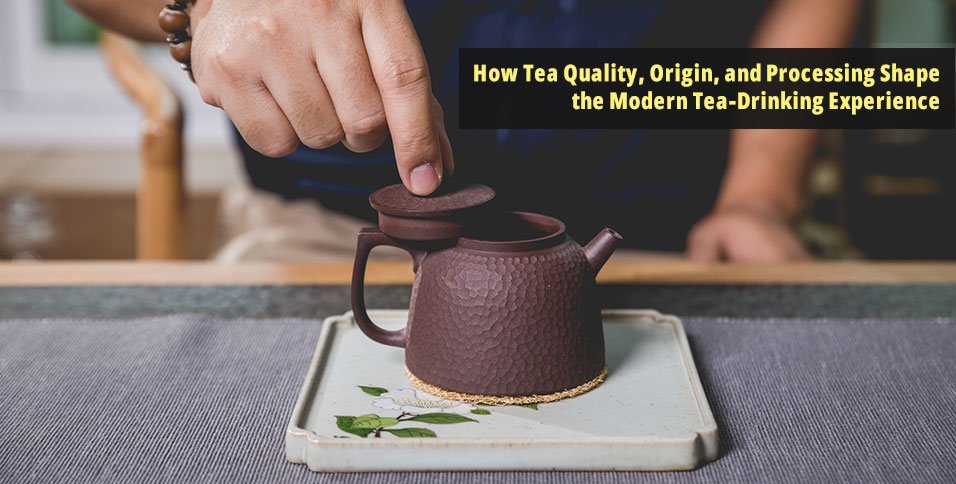
Let’s be honest. Tea’s kind of a big deal. It’s one of the most popular drinks on the planet. People love it for its variety. Its cultural roots. And all those different flavors. Sure, you probably pick your tea based on what you like. But here’s the thing. What ends up in your cup gets shaped by a bunch of stuff. Where the leaves were grown. How they were picked. And how they were processed before they ever reached your kettle. Kinda fascinating, right?
And more and more people want to know where their stuff comes from these days. So getting a handle on these factors makes it way easier to appreciate why one tea tastes so different from another.
Why Tea Origin Matters
Where tea leaves grow can make a huge difference to how they turn out. Climate. Altitude. Rainfall. Soil. Seasonal conditions. All of it shapes how the tea plant develops. Here’s the wild part. The exact same tea variety can taste noticeably different when it’s grown somewhere else. Same plant, totally different cup.
Tea-growing regions around the world have built up their own traditions. And their own ways of making tea. Some areas are famous for delicate, gentle teas. Others are known for strong, bold flavors that really wake you up. Those regional differences are a big reason tea’s so wonderfully diverse.
Origin tells you a story, too. About the farming and cultural history behind your tea. So when you learn where a tea comes from, it adds a whole new layer to drinking it. It’s not just about picking a flavor you like anymore.
The Role of Harvesting
Harvesting’s another big step in how good a tea turns out. Tea leaves usually get picked based on what the producer’s going for. And here’s the deal. The age of the leaves and buds, and where they sit on the plant, can change the final aroma, flavor, and texture.
Careful picking helps producers keep things consistent. And hang on to the qualities they want. Depending on the type of tea, they might harvest differently, too. Some teas need super young leaves and buds. Others use more mature leaves. Different goals, different picks.
Timing matters as well. Weather and conditions shift throughout the growing season. And that creates seasonal differences. Tea lovers often notice them when comparing teas from different harvests. Once you start noticing, you can’t stop.
How Processing Changes Tea Characteristics
Once the leaves are picked, they get processed. And this is one of the biggest steps of all. Why? Because different processing methods can turn leaves from the same plant into totally different teas. Pretty amazing, right?
Take oxidation. It plays a huge role in setting tea styles apart. Green tea’s usually processed to keep oxidation low. That helps it hold onto that fresh, grassy, vegetal vibe. Black tea goes through way more oxidation. That can give you a darker color and a stronger flavor. Other kinds of tea use different combos of withering, rolling, heating, oxidation, and drying.
Drying matters just as much. It helps the leaves stay stable for storage. While also shaping their final aroma and texture. So even small changes in processing can make a noticeable difference in what ends up in your cup.
Understanding Flavor and Aroma
Flavor’s usually the first thing you notice. But aroma’s just as important to the whole experience. Seriously. A tea’s scent can be floral. Fruity. Earthy. Grassy. Roasted. Or malty. Take a sniff before your first sip sometime. You’ll see what I mean.
All those traits come from a mix of things. The tea plant itself. Where it grew. How it was harvested. And how it was processed. But how you brew it matters, too. Water that’s way too hot? Or leaving the leaves in too long? You might end up with a bitter, harsh cup. We’ve all been there.
That’s why making tea the right way for that specific tea matters just as much as picking a good one in the first place.
The Growing Interest in Tea Quality
People today want to know what’s behind the stuff they buy. Tea’s no exception. Instead of seeing it as just a drink in a box, lots of folks are curious about more. The ingredients. Where it’s from. How it’s made. What it tastes like. And how good it really is.
That curiosity has helped specialty and premium teas take off. People are comparing different varieties. Exploring regional differences. And playing around with brewing methods to figure out what they love most.
Brands and producers like IKKYU Tea, fit right into this bigger conversation. They give you another way to explore tea. And understand what makes different teas stand apart.
Sustainability and Responsible Tea Production
Quality isn’t the only thing shaping the tea world these days, though. Sustainability’s become a big deal, too. Tea depends on farming resources. Land. Water. Labor. Energy. So responsible production really matters for the industry’s future.
You might find yourself looking for info on sourcing. Packaging. Farming practices. And supply chains. Meanwhile, producers can look for ways to cut waste. Use resources more efficiently. And back responsible farming practices.
So sustainability can become part of what “quality” means. Right alongside flavor, origin, freshness, and processing.
Making Better-Informed Tea Choices
Picking tea doesn’t mean you need to become an expert. Nope. A few basics can help you make smarter choices. Check the tea type. Where it’s from. The ingredients. How it was processed. And the recommended way to brew it. That gives you a pretty good idea of what to expect in your cup.
Playing around with brewing time and water temperature can show you how different teas really are, too. Here’s a tip. Keep those things the same while comparing a few teas side by side. That way it’s way easier to figure out which flavors and aromas you like best.
In the end, tea quality comes from the whole journey. From farm to cup. The growing environment shapes part of its character. Harvesting decides which leaves get picked. And processing turns those leaves into the tea styles you know and love today.
Conclusion
Your tea-drinking experience is shaped by way more than just what’s in the cup. Origin. Harvesting. Processing. How you brew it. And sustainability. They all affect how your tea looks, smells, tastes, and fits into modern life.
Get to know these factors, and you can explore different teas with a lot more awareness. And appreciation. Bottom line? Whether you love a delicate green tea, a fragrant specialty blend, or a strong traditional cup, learning about the journey from leaf to drink makes every cup more interesting. And way more fun.