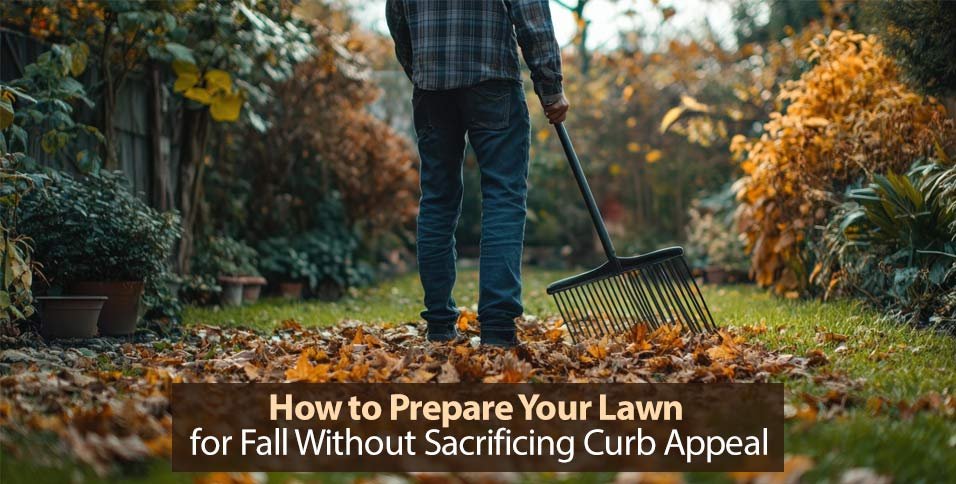
Autumn gives homeowners a useful window to repair summer damage before cooler conditions slow grass growth. Heat, foot traffic, and repeated activity often leave thin patches, compacted soil, and worn edges around the garden. Preparing these areas early helps the lawn enter winter in better condition while preserving a neat, cared-for appearance from the street. The right sequence keeps maintenance practical, protects healthy growth and sets up the next step.
A tidy lawn begins with a careful inspection rather than a broad treatment. Walk across the property and note bare patches, muddy sections, compacted soil, and routes that receive repeated traffic. Areas beside gates, fences and entertaining spaces often need separate attention. A clear plan for lawn maintenance for fall helps homeowners repair visible damage while keeping the rest of the yard presentable.
Inspect Summer Damage Before Making Repairs
Start by removing fallen leaves, sticks, and other debris that hide the soil surface. Rake gently across thin grass, then check whether the soil feels hard beneath the damaged area. Compaction limits air and water movement, slowing root recovery and creating poor conditions for new seed.
Bare patches also need a closer look. A worn spot beside a gate has a different cause from thinning beneath a shaded tree. Recording each problem helps prevent unnecessary work and keeps repairs focused on the areas that most affect the lawn’s appearance.
Overseed Thin Areas Early
Early autumn suits many cool-season grasses because the soil stays warm while air temperatures cool. These conditions support seed germination without the intense heat that stresses new growth during summer.
For a small bare patch, loosen the top layer of soil with a rake and add fresh topsoil when necessary. Spread suitable seed evenly, press it into contact with the soil, and water the area consistently. Keep foot traffic away until the new grass becomes established.
Seeded areas should look orderly during recovery. Use a simple border, keep soil within the damaged section, and remove stray seed from paths or garden edges. These small details protect curb appeal while the lawn fills in.
Maintain The Right Mowing Routine
Cooling weather does not mean mowing should stop immediately. Continue cutting while the grass keeps growing, then lower the mowing height slightly as the season ends. Avoid removing too much leaf tissue in one cut, since scalping exposes the crown and leaves grass vulnerable.
Sharp blades produce a cleaner finish and reduce torn tips that can turn brown. Mow when the surface is dry enough to prevent ruts, especially after rain. Collect excessive clippings from visible areas, but leave fine clippings where they can break down naturally.
A consistent mowing pattern also protects the lawn’s appearance. Changing direction between cuts reduces repeated pressure on the same tracks and prevents a striped, uneven finish near paths or entrances.
Feed Roots And Relieve Compaction
Autumn fertilizer supports root development as top growth slows. Apply a product suited to the grass type and follow the manufacturer’s rate. Excess fertilizer does not improve results and can damage the lawn or wash into nearby drains.
Compacted areas require physical relief. A garden fork can loosen small sections, while larger areas often need mechanical aeration. Work when the soil is moist but not wet, then reseed thin sections after opening the surface.
High-traffic zones deserve closer monitoring through winter. Dog runs, favorite play areas, potty spots, and narrow paths often deteriorate faster than the rest of the property. A durable surface that lets natural grass grow through it can protect these areas while preserving a lawn-like appearance. Natura hybrid turf supports air, water, and vegetation movement, although it does not cure underlying compaction.
Protect High-Traffic Areas Before Winter
Dormant grass still has living crowns and roots beneath the surface. Repeated traffic can crush these parts, especially when wet conditions soften the soil. Protecting worn routes before dormancy reduces repair work when warmer weather returns.
Redirect foot traffic where possible with temporary barriers or a defined path. Keep leaves from forming thick, wet layers because they block light and trap moisture against the grass. Clear debris after storms, then inspect entrances and fence lines before damage spreads.
For households with dogs, hybrid turf can reinforce areas that receive constant activity without replacing the natural lawn entirely. It provides a stable surface while grass continues growing through it. The result is a cleaner transition between lawn, paths and garden beds during the colder months.
Conclusion
A well-prepared autumn lawn depends on timely observation and targeted work. Clear summer debris, repair thin patches, maintain sensible mowing, feed the roots and relieve compacted soil before winter traffic increases. High-use areas need extra protection, particularly where dogs follow the same routes each day. The next practical step is to walk around the property this week, then create a short repair list ranked by visibility, traffic, and soil condition.