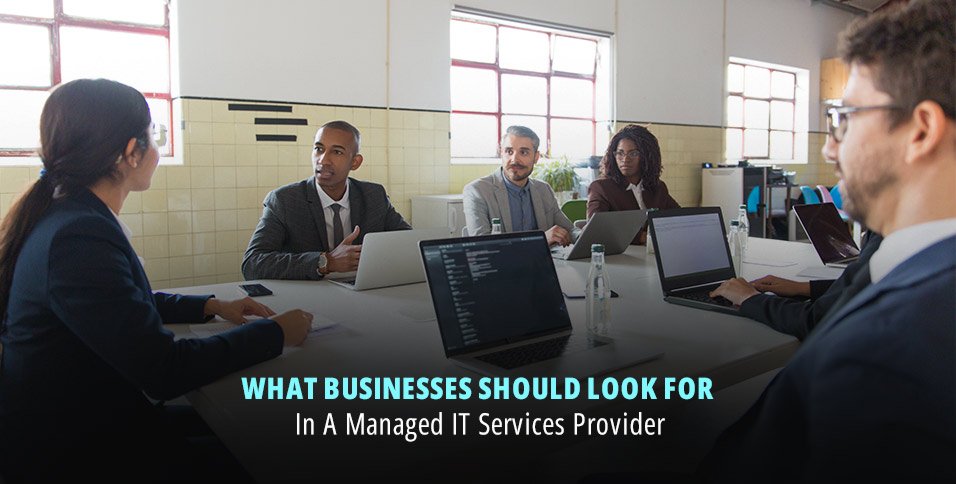
Selecting a managed IT services provider is a significant decision for organizations that rely on technology for daily operations. An effective provider is more than a reactive resource for hardware repairs. It maintains reliable systems, protects company information, assists staff and prepares the organization for future technology requirements. Decision makers are encouraged to evaluate providers based on technical skills, communication methods, security protocols, service scalability and their comprehension of organizational objectives.
Technical Expertise
A competent provider possesses the knowledge required to support existing infrastructure, including networks, computers, cloud platforms, software applications, security tools and data storage systems. Organizations are encouraged to ask about a provider’s experience with similar firms and confirm that technicians hold professional certifications and practical skills. A provider with diverse capabilities manages various technology concerns, which removes the need for the organization to manage multiple vendors.
Professional knowledge is also necessary for tasks beyond basic repairs. Capable providers monitor systems constantly, identify performance bottlenecks, manage software updates and prevent repetitive errors. These actions lower work interruptions and keep technology stable. Organizations seeking Mississauga managed IT services are encouraged to verify that the provider understands the specific operational needs and regulations of their particular industry.
Security & Data Protection
Cybersecurity is a vital factor when comparing IT providers. Organizations manage private client files, financial records, staff data as well as internal documents, which makes protective measures necessary. A provider offers services like threat monitoring, device protection, access control, security patches and backup oversight. It also explains how it maintains these defenses as digital threats change.
Recovering data is also a priority. Organizations must understand how a provider secures backups and responds if users delete files, systems crash or security breaches occur. Providers use documented recovery steps or test backup systems on a regular schedule. Inquiring about incident response plans helps an organization determine if the provider is ready to act fast during a serious technology failure or security event.
Communication & Support
Consistent communication increases the value an organization receives from an IT provider. Management should understand how staff submit help requests, how fast the provider acknowledges issues and how the provider treats urgent problems. A provider explains its service levels clearly and ensures staff receive help easily when they face technical hurdles.
Organizations are encouraged to find a provider that initiates contact rather than only answering support requests. Routine reviews help identify recurring errors, future hardware needs as well as ways to improve efficiency. Clear dialogue between the provider and company leaders ensures that technology choices support operational goals instead of only addressing immediate failures.
Service Flexibility
Every organization has unique technology needs, and a provider offers services that adapt to change. A growing firm often requires more user accounts, hardware, cloud space or security layers over time. The provider scales its services without adding confusion or requiring the organization to use unsuitable tools.managed IT services allow organizations to adjust their support as operations change.
Contract terms require a detailed review before an organization commits to a provider. Included services, speed of response, hardware management and extra costs are documented in writing. Understanding these details prevents surprise expenses and allows for fair comparisons between different providers. A flexible contract allows for growth while keeping service costs predictable.
Business Understanding
An effective provider recognizes that technology is a tool to reach broader company goals. During the selection process, organizations observe if the provider asks questions about workflows, daily challenges, expansion plans and technology priorities. These questions show that the provider intends to solve operational problems rather than only selling technical labor.
Productive relationships involve continuous planning. A provider identifies old equipment, slow processes, security gaps and ways to increase output. By matching technical skills with an understanding of company goals, the provider acts as a long term partner rather than just an external help desk.
Conclusion
Choosing a managed IT services provider involves more than comparing monthly costs. Organizations analyze technical skills, cybersecurity, communication, scalability as well as the provider’s grasp of long term objectives. A provider that excels in these categories offers stable technology support while managing risks and controlling expenses. A thorough evaluation helps create a productive and lasting partnership.
Also Read: How To Choose The Best Managed IT Services Provider