A car crashes, and a lot of the physical force gets absorbed by the vehicle itself. Crumple zones fold. Airbags deploy. A steel frame takes the brunt of the impact before it ever really reaches the people inside. That’s the whole point of the design.
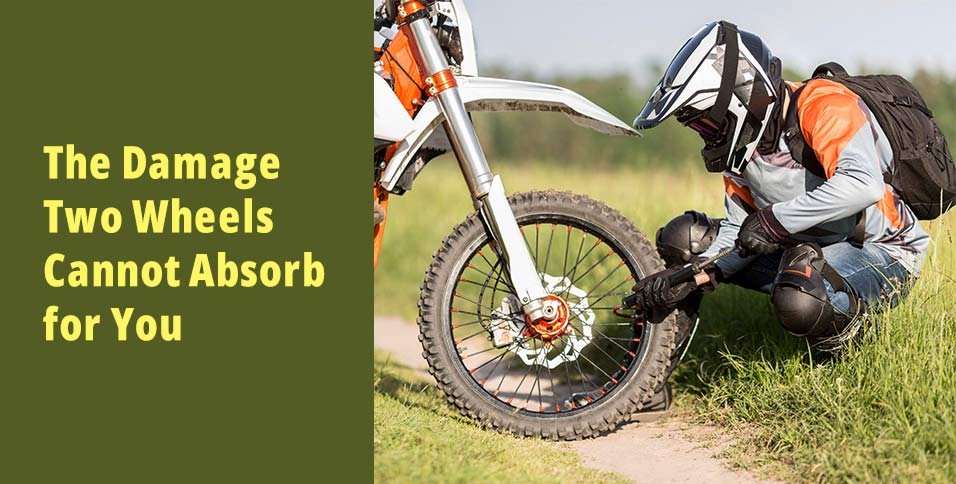
A motorcycle has none of that. No frame wrapping around the rider, no airbags, no seatbelt holding anyone in place. When a motorcycle collides with something, there’s very little standing between the rider and whatever they’re about to hit.
That absence is exactly why motorcycle accidents look very different from car crashes, and understanding that difference matters for anyone thinking seriously about what’s actually at stake on two wheels.
The Rider Often Absorbs More of the Impact
Without a vehicle frame absorbing energy on their behalf, riders end up taking on a considerably larger share of the impact force personally. Fractures are extremely common, particularly in the arms, wrists, and collarbone, since riders instinctively brace during a fall.
Road rash shows up frequently too, resulting from skin sliding across pavement at speed. It sounds minor compared to a broken bone, but road rash can actually be quite severe, sometimes requiring extensive treatment depending on how much skin and tissue gets affected.
Soft-tissue injuries and blunt trauma round out the picture, often affecting areas that took a direct hit during the collision or the fall that typically follows it. Together, these injuries reflect just how much force a rider’s own body ends up absorbing.
Head and Brain Injuries Can Be Especially Serious
The head is particularly vulnerable in a motorcycle crash, which is exactly why helmet use matters so much. Concussions are common, even in crashes that might not look especially dramatic from the outside, and traumatic brain injury remains a genuine risk in more severe impacts.
Symptoms of head injury aren’t always obvious immediately, sometimes developing gradually over the hours following a crash. Headaches, confusion, dizziness, or difficulty concentrating can all signal something that deserves prompt medical evaluation, even if the rider initially feels okay.
Given how serious these injuries can become if left unaddressed, seeking medical attention after any motorcycle collision involving a possible head impact matters considerably, regardless of how minor the crash might have seemed in the moment.
Lower-Body Injuries Are Common Too
Legs, knees, ankles, and hips take a disproportionate share of injuries in motorcycle collisions, largely because of how riders are positioned relative to the vehicle itself. Legs often get caught between the bike and whatever it collides with.
Knee injuries in particular tend to be common, since that joint absorbs considerable stress during both the impact and whatever awkward landing follows it. Ankle and hip injuries frequently accompany this pattern too, given how exposed the lower body remains throughout a typical crash.
This concentration of lower-body injury reflects the basic mechanics of motorcycle riding itself, where legs sit largely unprotected on either side of the bike, directly in the path of anything the motorcycle happens to collide with.
Injuries May Affect Recovery for Months or Longer
Motorcycle injuries often demand a considerably longer recovery process than people initially expect. Rehabilitation can stretch across months, particularly for fractures or joint injuries requiring extensive physical therapy to restore mobility and strength.
Work limitations frequently follow too, especially for injuries affecting mobility or requiring ongoing treatment. Chronic pain can linger well beyond the initial healing period, sometimes becoming a long-term consideration rather than something that simply resolves once a cast comes off.
These extended timelines illustrate how motorcycle injuries can shape daily life for a considerable stretch after the actual crash, reaching well beyond the initial hospital visit and into months of ongoing physical and practical adjustment.
Conclusion
Motorcycle collisions can produce serious, lasting physical consequences even when the crash itself lasted only a few chaotic seconds. Without a vehicle frame absorbing the impact, riders bear the brunt of forces that a car occupant might never even fully feel.
Understanding this reality, from fractures and road rash to the genuine risk of head trauma, helps explain why motorcycle injuries so often require extended treatment and recovery compared to injuries from a comparable car accident.
Recognizing just how much protection riders are missing compared to someone inside a car helps put motorcycle safety into proper perspective, particularly for anyone who’s never really thought about the difference until reading it laid out plainly like this.