For many people, a home is the largest purchase they will ever make. But beyond providing shelter and a place to create memories, your home is also a powerful financial asset. As you pay down your mortgage and as property values rise, you build equity. This resource can be strategically used to accomplish significant life goals. Thinking of your home’s equity as just a number on a statement is a missed opportunity. Instead, it can be the key that unlocks the door to educational advancement, financial stability, and a more comfortable retirement.
Understanding Home Equity
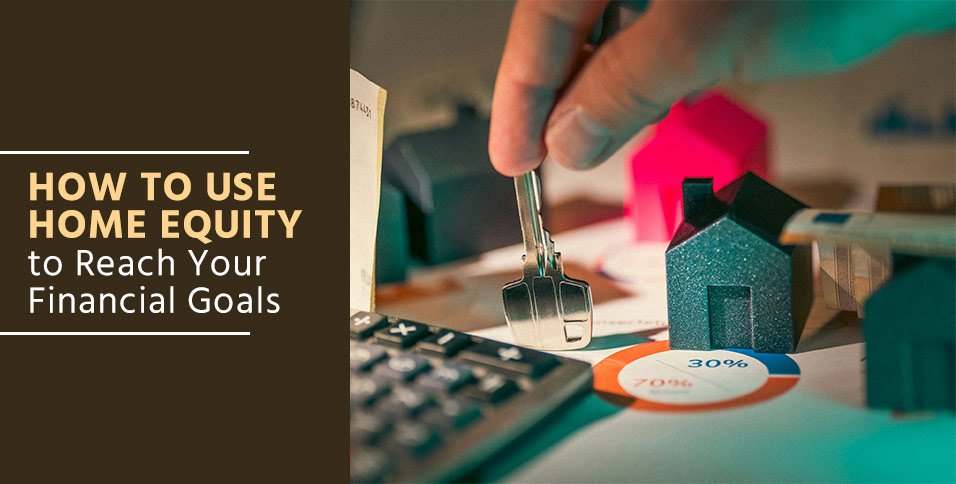
Home equity is the difference between your home’s current market value and the amount you still owe on your mortgage. For example, if your home is valued at $500,000 and your remaining mortgage balance is $300,000, you have $200,000 in home equity. This isn’t just a theoretical number; it’s a tangible asset that represents your ownership stake in the property.
Equity grows in two main ways. First, every mortgage payment you make includes a portion that goes toward the principal loan balance, which directly increases your equity. Second, your equity grows as your property appreciates in value over time due to market trends, neighborhood improvements, or upgrades you make to the house itself.
When you need to access this wealth, you generally have a few options, including a cash-out refinance. A home equity line of credit (HELOC) functions like a credit card, giving you a revolving credit line to draw from as needed; it’s worth understanding how a HELOC works before choosing it, since the draw and repayment periods behave differently from a standard loan.. A home equity loan provides a lump-sum payment with a fixed interest rate. Another common method is a cash-out refinance, where you replace your current mortgage with a new, larger one and receive the difference in cash. Each method has its own structure and suits different financial situations.
Funding Educational Pursuits
The rising cost of higher education is a major financial hurdle for many families. Home equity can serve as a valuable funding source to cover tuition, fees, and living expenses for yourself or your children. Tapping into your home’s value can often be a more cost-effective alternative to private student loans, which frequently come with higher, variable interest rates.
Imagine you want to go back to school for a master’s degree to advance your career, or your child is about to start their undergraduate journey. Instead of navigating the complex world of student loans, you could use a home equity loan to access a lump sum to cover the bulk of the costs. This provides you with a clear repayment schedule and a fixed interest rate, making it easier to budget for over the long term.
Using equity for education is an investment in human capital. The potential for a higher salary or better career opportunities resulting from a degree or certification can far outweigh the cost of borrowing. It transforms a portion of your home’s value into a tool for personal and professional growth, creating a ripple effect that can boost a family’s financial future for years to come.
Strategic Financial Moves
Beyond education, home equity can be a powerful tool for restructuring your overall financial picture. One of the most common and effective strategies is debt consolidation. Many households juggle multiple high-interest debts, such as credit card balances, personal loans, or medical bills. These debts often carry interest rates of 20% or more, making it difficult to make progress on paying them down.
This is where homeowners often explore the benefits of cash-out refinancing. Taking out a new mortgage for more than you currently owe helps you use the cash difference to pay off all those high-interest accounts at once. You are then left with a single, consolidated monthly payment at a much lower mortgage interest rate. This not only simplifies your monthly bills but can also save you thousands of dollars in interest charges over time and significantly lower your total monthly debt payments.
This strategy can free up cash flow that can be redirected toward other goals, like saving for retirement or building an emergency fund. It’s a proactive move to take control of your finances, reduce financial stress, and put yourself on a more stable footing. For entrepreneurs, this cash can even serve as seed money to start a new business, turning a dream into a reality without seeking expensive business loans.
Planning for Retirement
As you approach retirement, your home equity becomes an even more critical component of your financial plan. For many retirees, their home is their largest asset, and its value can be used to ensure a comfortable and secure post-work life. There are several ways your home can support you during this phase.
One popular strategy is downsizing. Selling a larger family home and moving into a smaller, less expensive one can free up a significant amount of cash. This capital can be added to your retirement nest egg, used for travel, or simply provide a financial cushion for unexpected expenses. Another option for homeowners aged 62 and older is a reverse mortgage, which allows you to convert a portion of your home equity into payments without having to sell your home.
Even if you plan to stay in your home, your equity provides flexibility. If a major expense arises, like a medical emergency or a necessary home repair, you can tap into your equity instead of selling off investments from your retirement portfolio, especially during a market downturn. This allows your investments to continue growing while you use your home’s value to cover immediate needs.
Making Your Assets Work
Your home equity doesn’t have to be reserved for just paying off debt or funding education; it can also be put to work to build even more wealth. Strategic home improvements are a prime example. Not all renovations are created equal, but projects with a high return on investment (ROI) can increase your home’s market value by more than the project’s cost.
Kitchen and bathroom remodels, for instance, consistently rank as projects that add significant value. Adding a home office has also become a highly desirable feature that can attract buyers and boost your sale price. Investing in energy-efficient windows or upgrading your HVAC system can not only make your home more comfortable but also increase its appeal and value. By using a home equity loan to fund these improvements, you are essentially reinvesting in your asset to make it worth more.
For those with a higher risk tolerance, home equity can be the springboard for acquiring an investment property. Using a cash-out refinance to secure a down payment for a rental unit can create a new stream of passive income. The rental income can cover the mortgage on the new property and potentially generate extra cash flow, all while the property itself appreciates in value. This is a way to make your primary asset actively generate wealth for you.
Your home is much more than just the place you live. It is a dynamic financial tool that, when used wisely, can help you achieve some of life’s most important milestones. Understanding and proactively managing your home equity helps you turn your property into a resource that works for you.