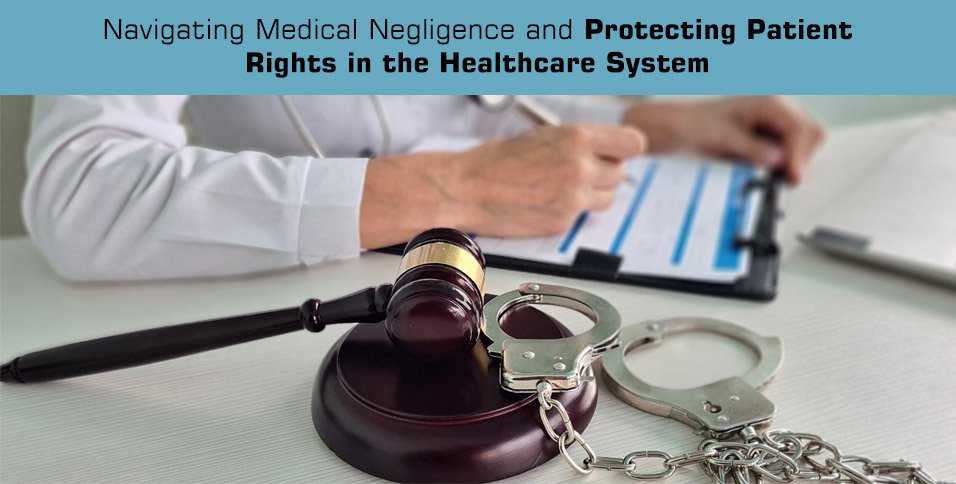
Modern healthcare systems are designed to heal, but the complex nature of medical treatment means that errors can and do occur. When systemic failures happen, patients and their families are often left dealing with both physical recovery and financial hardship. Understanding your rights and the avenues for accountability is a critical part of navigating the healthcare system today.
The Scope of Preventable Medical Errors
To truly protect patient rights, one must first recognize the scale of the issue. Medical errors are far more common than many people realize. Research from the National Center for Biotechnology Information has highlighted the significant prevalence of preventable medical errors and their serious consequences for patients. Recognizing the scope of this issue is the first step toward advocating for safer medical practices.
Beyond the human toll, the financial impact is substantial. Recent data from the National Practitioner Data Bank highlights the significant number of medical malpractice payment reports recorded in the United States, as well as the considerable financial consequences associated with malpractice claims. Diagnostic errors represent a particularly important area of concern. These findings highlight the critical need for continuous vigilance and strict adherence to safety protocols within clinical environments across the nation.
Specialized Legal Challenges in Pediatric Cases
When medical negligence impacts a child, the legal landscape shifts significantly, requiring the guidance of an experienced child malpractice lawyer to effectively handle the claim. Cases involving infants and minors present unique challenges, particularly regarding statutes of limitations and the long-term impact of injuries. Under a legal doctrine known as minority tolling, most states pause the standard medical malpractice statute of limitations while an injured patient is under the legal age of majority.
However, legal experts strongly caution parents against waiting too long to pursue a claim. Over time, critical evidence degrades, medical records become harder to obtain, and witness memories fade. Given these procedural and evidentiary complexities, families often benefit from seeking out specialized legal professionals who understand the specific nuances of pediatric claims. For instance, data indicates that failure to identify fetal distress remains a particularly serious medical error associated with substantial malpractice claims. Handling such high-stakes cases requires specific knowledge of pediatric standards of care rather than a general personal injury background.
Taking Legal Action and Preparing for Court
Pursuing a medical malpractice claim can be an intimidating endeavor, especially against well-funded hospital networks. Taking legal action requires extensive preparation, expert testimony, and a solid grasp of formal court procedures. Plaintiffs must be prepared for rigorous cross-examinations and extensive discovery processes that scrutinize every detail of the patient’s medical history.
To better understand the foundational elements of litigation, individuals should explore educational resources on navigating the legal process before formally filing a claim. Knowing what to expect during discovery, depositions, and potential trial phases helps families make informed decisions about their case. It also demystifies court proceedings, allowing plaintiffs to work more effectively with their legal counsel to gather relevant medical records and build a compelling argument for accountability.
Key Patient Safety Initiatives and Protections
While legal recourse provides a necessary path for compensation after an injury, proactive safety measures remain the ultimate goal. Pediatric hospitals and safety organizations are actively implementing new protocols to reduce preventable harm and improve patient outcomes.
Several prominent initiatives have recently gained traction nationwide to protect vulnerable patients from adverse medical events:
- Pediatric Early Warning Systems: Many children’s hospitals now utilize these standardized protocols to help clinical staff rapidly recognize and respond to early signs of a child’s deteriorating condition.
- National Patient Safety Goals: The Joint Commission sets strict mandates for pediatric facilities, particularly regarding communication hand-offs and the prevention of healthcare-associated infections.
- Targeted Diagnostic Tools: The Child Health Patient Safety Organization collaborates with hospitals to track emerging safety risks and distribute specialized frameworks, such as their widely adopted Diagnostic Safety Toolkit.
- Transparency Evaluations: Organizations like The Leapfrog Group publish annual lists that stringently evaluate facilities based on medication safety and infection rates, giving families better insight into hospital quality.
Advocating for patient rights requires a dual approach of promoting systemic safety improvements and holding institutions accountable when negligence occurs. By understanding the prevalence of medical errors, the specific legal protections available to vulnerable patients, and the procedural realities of the court system, families can better navigate the complexities of modern healthcare. Ensuring that medical providers adhere to the highest standards of care not only protects individual patients but ultimately strengthens the integrity of the entire healthcare system.