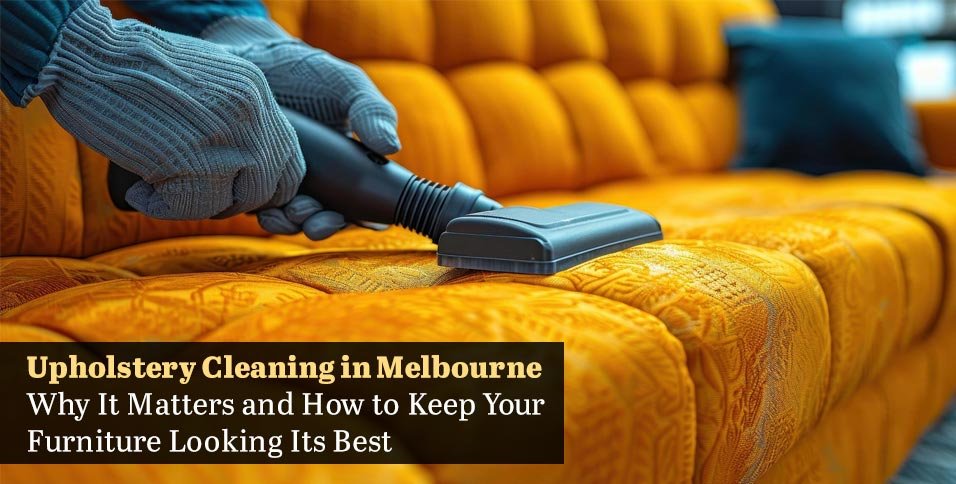
Furniture is one of the biggest investments in any home or office, yet it often receives less attention than carpets or flooring. Sofas, armchairs, dining chairs, and upholstered office furniture collect dust, allergens, pet hair, food crumbs, and stains over time. Regular upholstery cleaning not only improves the appearance of your furniture but also contributes to a healthier indoor environment.
Whether you have a busy family home, pets, or a bustling workplace, understanding the importance of upholstery cleaning in Melbourne can help extend the life of your furniture while maintaining its comfort and style. Here are the key reasons why upholstery cleaning deserves a place in your regular maintenance routine.
Why Upholstery Gets Dirty Faster Than You Think
Many people assume upholstered furniture stays relatively clean because it isn’t walked on like a carpet. In reality, fabric surfaces absorb a surprising amount of dirt through everyday use.
Common sources of upholstery contamination include:
- Dust and airborne particles
- Body oils and sweat
- Food and drink spills
- Pet fur and dander
- Pollen and allergens
- Children’s fingerprints and stains
- Smoke residue
- Everyday wear and tear
Over time, these contaminants settle deep into the fabric, making furniture appear dull and worn even if it looks clean on the surface.
Benefits of Regular Upholstery Cleaning
Improves Indoor Air Quality
Dust, allergens, and microscopic particles trapped inside upholstery can circulate throughout your home whenever someone sits down. Regular cleaning helps remove these pollutants, contributing to fresher indoor air.
Extends Furniture Lifespan
Embedded dirt acts like fine sandpaper against fabric fibres. Continuous friction gradually weakens the material, causing premature wear. Removing dirt helps preserve the integrity of the upholstery for longer.
Enhances Appearance
Professional or thorough deep cleaning can revive faded-looking furniture by removing built-up grime that dulls colours and textures.
Eliminates Unpleasant Odours
Pets, food spills, moisture, and everyday living can leave lingering smells in upholstered furniture. Deep cleaning removes many of the causes rather than simply masking the odour.
Creates a Healthier Living Environment
Removing dust mites, allergens, bacteria, and other contaminants creates a cleaner and more comfortable space for everyone, especially people with allergies.
Signs Your Upholstery Needs Cleaning
It’s not always obvious when furniture requires more than a quick vacuum.
Watch for these signs:
- Visible stains
- Lingering odours
- Fabric looking dull
- Increased allergy symptoms indoors
- Dust appearing quickly after cleaning
- Pet hair deeply embedded in fabric
- Sticky or rough-feeling upholstery
If it’s been over a year since your furniture received a deep clean, it may be time for a more thorough treatment.
Different Upholstery Materials Require Different Care
Not all furniture fabrics should be cleaned the same way.
Natural Fabrics
Cotton, linen, and wool offer comfort but often require gentle cleaning methods to avoid shrinkage or damage.
Synthetic Fabrics
Polyester, nylon, and microfiber tend to be more stain-resistant and durable, making them easier to maintain.
Leather
Leather furniture needs specialised cleaning and conditioning to prevent drying, cracking, and fading.
Delicate or Vintage Fabrics
Older furniture and specialty fabrics often benefit from extra care to preserve their appearance and structure.
Understanding the material helps determine the safest and most effective cleaning approach.
Everyday Tips to Keep Upholstery Cleaner
Simple habits can reduce dirt buildup between deep cleans.
Vacuum Regularly
Using a vacuum attachment removes loose dust, crumbs, and pet hair before they become embedded.
Clean Spills Immediately
Blot liquid spills instead of rubbing them, which can spread stains deeper into the fabric.
Rotate Cushions
Rotating cushions distributes wear more evenly and helps furniture maintain its shape.
Keep Pets Groomed
Regular grooming reduces the amount of fur and dirt transferred onto furniture.
Limit Direct Sunlight
Sun exposure can fade fabrics over time, so consider curtains or blinds during peak daylight hours.
Common Upholstery Stains
Different stains require different treatment methods.
Common examples include:
- Coffee
- Wine
- Soft drinks
- Ink
- Grease
- Chocolate
- Pet accidents
- Makeup
- Mud
- Food spills
Using the wrong cleaning product may worsen certain stains, so testing any cleaner on an inconspicuous area is always recommended.
Why Professional Upholstery Cleaning Can Be Worth It
While routine maintenance helps, deep cleaning often requires specialised equipment and techniques.
Professional cleaning may offer advantages such as:
- Deep extraction of embedded dirt
- Improved stain removal
- Faster drying times
- Fabric-safe cleaning methods
- Odour reduction
- Removal of allergens and bacteria
This level of cleaning can help restore furniture that has lost its freshness after years of regular use.
How Often Should Upholstery Be Cleaned?
Cleaning frequency depends on your household.
General recommendations include:
- Every 12–24 months for average households
- Every 6–12 months for homes with pets
- More frequently for families with young children
- Regular cleaning for offices and commercial spaces with heavy daily use
Routine vacuuming should still be performed weekly regardless of deep cleaning schedules.
Upholstery Cleaning and Melbourne’s Climate
Melbourne’s changing weather can influence indoor conditions throughout the year. Seasonal pollen, fluctuating humidity, and increased time spent indoors during cooler months can contribute to dust and allergen buildup in upholstered furniture.
Keeping upholstery clean helps maintain a fresher living environment regardless of the season.
Choosing the Right Cleaning Method
Several cleaning methods are commonly used depending on the fabric type.
These may include:
- Hot water extraction
- Steam cleaning
- Low-moisture cleaning
- Dry cleaning methods
- Foam cleaning
- Spot treatment
Selecting the appropriate method helps achieve effective cleaning while protecting the furniture.
Conclusion
Upholstered furniture experiences daily wear, even if the signs aren’t immediately visible. Dust, allergens, spills, and everyday use gradually affect both the appearance and hygiene of sofas, chairs, and other fabric-covered furnishings. Regular vacuuming, prompt attention to spills, and periodic deep cleaning all play an important role in preserving your furniture and creating a healthier indoor environment.
Whether you live in Melbourne or elsewhere, investing time in proper upholstery care can extend the life of your furniture, improve indoor air quality, and keep your home looking clean, comfortable, and welcoming for years to come.