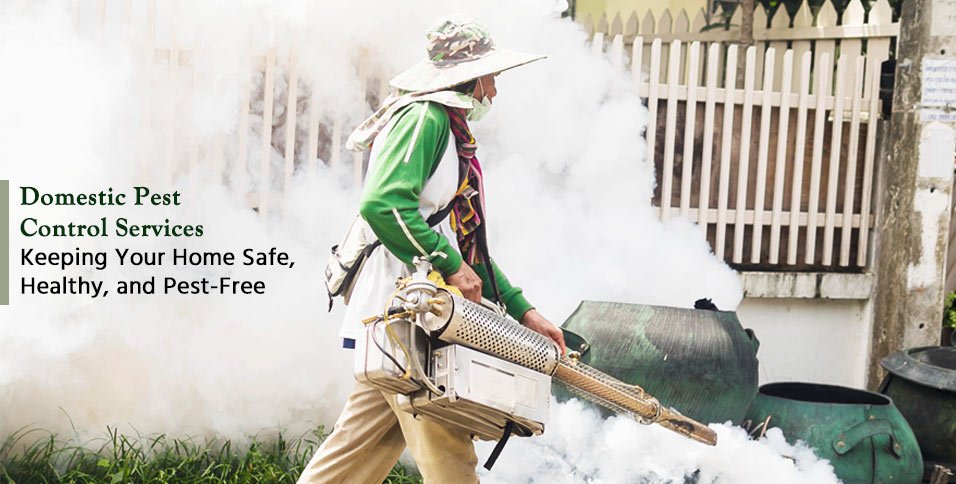
Your home should be a place of comfort, relaxation, and security. Unfortunately, unwanted pests can quickly disrupt that sense of peace. From ants marching through the kitchen to rodents hiding in roof spaces, household pests are more than just an annoyance—they can pose health risks, damage property, and create ongoing stress for homeowners.
Domestic pest control services help homeowners manage existing infestations while preventing future pest problems. Combined with good household maintenance, professional pest management offers an effective way to maintain a clean, comfortable, and healthy living environment.
This guide explores the importance of domestic pest control services, common household pests, and practical ways to keep your home protected throughout the year.
Why Domestic Pest Control Is Important
Many pests are highly adaptable and can easily find food, water, and shelter inside residential properties. Once they settle in, some species reproduce rapidly, making infestations difficult to control without professional assistance.
Domestic pest control helps:
- Protect your family’s health
- Prevent structural property damage
- Safeguard food storage areas
- Improve home hygiene
- Reduce stress caused by recurring infestations
- Prevent costly repairs in the future
Regular pest management is often easier and more affordable than dealing with severe infestations after they become established.
Common Household Pests
Different homes experience different pest issues depending on location, climate, and surrounding vegetation.
Ants
Ants frequently invade kitchens searching for food and water. While small infestations may seem harmless, large colonies can become persistent without proper treatment.
Cockroaches
Cockroaches prefer warm, damp environments such as kitchens, laundries, and bathrooms. They can contaminate food surfaces and may contribute to allergies in sensitive individuals.
Rodents
Mice and rats often enter homes during cooler months looking for shelter. They chew wiring, insulation, and timber while contaminating surfaces with droppings.
Spiders
Most household spiders are harmless, but excessive webs inside and around the home can become a nuisance.
Wasps and Bees
Outdoor nests near entrances, gardens, or roof spaces may create safety concerns, particularly for people with allergies.
Fleas
Homes with pets may occasionally experience flea infestations, especially during warmer weather.
Termites
Although often unnoticed until damage occurs, termites can cause significant structural problems by feeding on timber within a home.
Areas of the Home Most Vulnerable to Pests
Pests often establish themselves in areas that provide food, moisture, or shelter.
Common hotspots include:
Kitchens
Food crumbs, spills, and stored pantry items attract ants, cockroaches, and rodents.
Bathrooms
Moisture-rich environments encourage cockroaches, silverfish, and other insects.
Roof Spaces
Rodents and birds may nest in roof cavities, especially during colder seasons.
Gardens
Dense vegetation, mulch, and standing water provide ideal breeding grounds for many pests before they move indoors.
Garages and Storage Areas
Cluttered spaces create excellent hiding places for rodents, spiders, and insects.
What Domestic Pest Control Services Usually Include
Professional residential pest control often involves several important steps.
Property Inspection
A detailed inspection identifies pest activity, nesting sites, entry points, and conditions that encourage infestations.
Pest Identification
Correctly identifying the pest species allows for targeted treatment rather than unnecessary chemical applications.
Treatment
Depending on the type of pest, professionals may use baits, traps, targeted sprays, dusts, or other treatment methods designed for residential environments.
Prevention Advice
Homeowners often receive recommendations for reducing future pest risks through maintenance and household practices.
Follow-Up Services
Some infestations require additional visits to ensure pests have been completely eliminated.
Benefits of Professional Domestic Pest Control
Professional pest management offers advantages beyond temporary pest removal.
More Effective Results
Experienced technicians understand pest behaviour and can locate hidden nesting areas that homeowners may overlook.
Safer Treatments
Professionals use products appropriately and follow safety guidelines to minimize risks for families and pets.
Long-Term Protection
Preventive strategies help reduce recurring infestations rather than providing only short-term relief.
Peace of Mind
Knowing your home is regularly monitored allows you to focus on enjoying your living space instead of worrying about unwanted pests.
Simple Ways to Reduce Pest Problems at Home
While professional services provide valuable protection, homeowners can also help prevent infestations through everyday habits.
Keep the Home Clean
Vacuum regularly, wipe kitchen surfaces, and clean food spills promptly.
Store Food Securely
Keep dry goods in airtight containers and avoid leaving pet food exposed overnight.
Seal Entry Points
Repair damaged fly screens and seal cracks around doors, windows, and utility pipes.
Fix Water Leaks
Repair leaking taps and pipes to eliminate moisture that attracts many pests.
Reduce Outdoor Clutter
Trim vegetation away from the house and remove piles of wood, leaves, or debris that provide shelter for pests.
Empty Rubbish Frequently
Regular waste removal helps reduce food sources for insects and rodents.
Signs You May Need Pest Control
Early intervention makes pest management much easier.
Look for signs including:
- Droppings
- Chewed packaging
- Scratching sounds in walls or ceilings
- Unpleasant odours
- Visible insects during the day
- Spider webs increasing indoors
- Damaged timber
- Small holes near walls or foundations
Prompt action can prevent minor issues from becoming major infestations.
Choosing the Right Domestic Pest Control Service
When selecting a residential pest control provider, consider:
Experience
Choose professionals who understand common local household pests.
Customized Treatment
Every home has different pest risks depending on its location, design, and surroundings.
Safe Practices
Look for providers that prioritize family- and pet-conscious treatment approaches while delivering effective pest management.
Ongoing Support
Regular inspections and maintenance plans can help keep homes protected throughout the year.
Conclusion
Domestic pest control services play an important role in maintaining a healthy, comfortable, and well-protected home. While good housekeeping and home maintenance reduce many pest risks, professional expertise provides an additional layer of protection by identifying hidden problems, applying effective treatments, and helping prevent future infestations.
By staying alert to early warning signs, addressing maintenance issues promptly, and combining preventive measures with routine pest management, homeowners can enjoy greater peace of mind and create a cleaner, safer environment for their families all year round.