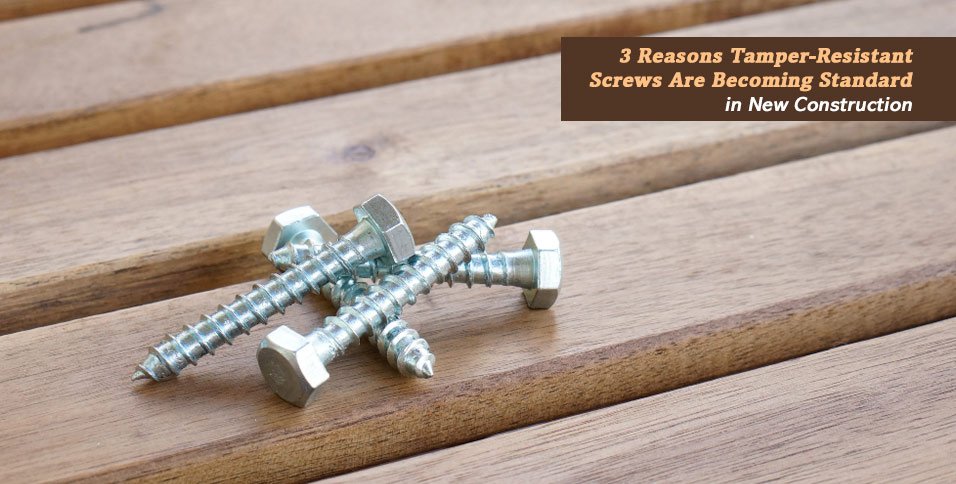
Builders today face real pressure to keep buildings safe from tampering and vandalism. Ordinary screws don’t offer much resistance once fasteners are visible on doors, panels, or fixtures. That’s why more construction teams are switching to hardware that can’t be removed without the right tool. This change tracks with wider shifts in safety standards, insurance rules, and how projects plan for upkeep over time.
Reason 1: Stronger Protection Against Unauthorized Access
Schools, public buildings, and multi-unit housing tend to have fixtures that call for extra protection. Regular screws give way to common tools, which puts vents, signage, and electrical covers at risk. That’s a big reason contractors now search for security screws for sale when picking hardware for these jobs; matching the screw head to a less common driver makes casual removal much harder. It’s a minor change on paper, but it adds real security without bulking up the design or altering fixtures the project already calls for.
Facilities managers like this extra layer because it shuts down easy opportunities for theft or tampering with important parts. Once these fasteners go in, they hold up against casual removal attempts, since a standard screwdriver simply won’t turn them. Contractors get a practical way to strengthen a building’s weak points from day one, instead of rushing to fix things after an incident occurs.
Reason 2: Lower Risk of Vandalism and Liability
Vandalism is a constant concern for property owners, especially in high-traffic areas. Fasteners left exposed on light fixtures, handrails, or outdoor panels are an easy target for anyone intent on causing damage. When builders choose tamper-resistant hardware, they cut down the chances that someone walks off with these pieces using tools most people already own.
That drop in risk also means less liability exposure later on. Picture a handrail that fails because someone pulled its screws; that kind of incident can easily lead to an injury claim and a lawsuit against the property owner. Hardware that stands up to casual tampering gives construction teams a clear way to show they took care in how they designed and built the space, which matters if a dispute ever goes to court.
Reason 3: Alignment With Codes and Insurance Standards
More building codes now call for secured hardware in particular settings, such as detention centers, healthcare facilities, and public transit systems. Contractors and architects who skip these requirements risk holdups at inspection or expensive fixes once the building is already in use. Getting the fastener specs right from the start keeps a project moving and sidesteps rework nobody wants to pay for.
Insurance companies factor hardware decisions into their coverage terms for certain property types too. A facility with a track record of vandalism or theft might qualify for a lower premium once tamper-resistant components are part of the build. Contractors who grasp this connection have a stronger pitch for clients who care about what a building costs to run over the years, not only what it costs to build.
Growing Adoption Across Project Types
This kind of hardware now extends beyond institutional work. Multifamily developers ask for it on mailroom hardware, bike storage areas, and shared amenity spaces. Retail builders use it on signage and fixture mounts that sit in public view. The spread across so many project types shows that specifiers no longer treat tamper-resistant screws as a specialty item; they are becoming a standard expectation wherever the public has some level of access.
Manufacturers have kept pace by rolling out more driver styles, finishes, and sizes that fit right into normal construction workflows. That range means teams can find hardware that fits their existing specs without redesigning a single fixture or hunting down odd replacement parts. As these options get easier to find, the price gap between standard and tamper-resistant screws keeps closing, taking away one of the last reasons to hold off.
Conclusion
Tamper-resistant screws tackle real problems around security, liability, and code compliance that construction teams can’t afford to overlook. Their spread across residential, commercial, and institutional work points to a practical answer for lasting risks, not just a fad. As manufacturers keep expanding what’s available and prices keep coming down, this hardware looks set to become a standard part of the spec sheet rather than something builders add on only when asked.