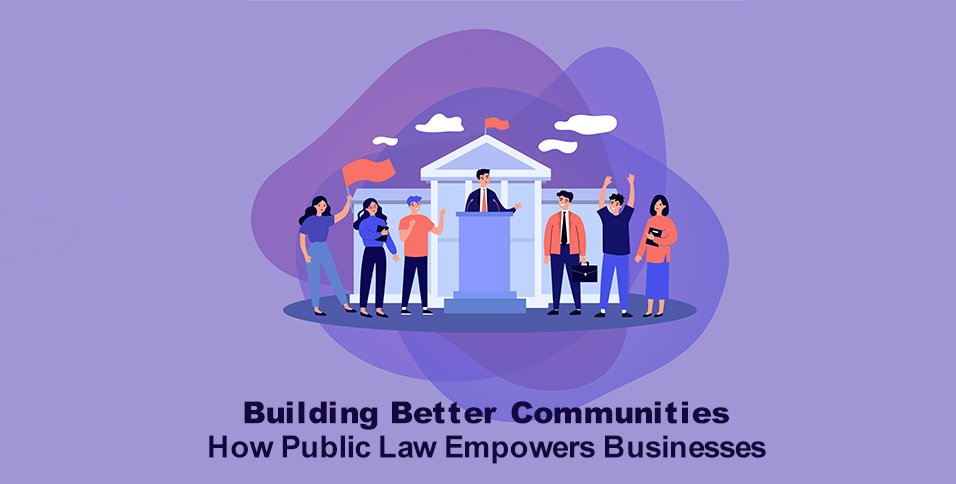
Strong communities depend on rules people can see, test, and trust. Public law gives cities, counties, districts, and private partners a shared operating system for permits, meetings, contracts, records, fees, and land decisions. For businesses, that system affects timing, cost, risk, and public confidence. When used well, it helps civic leaders protect residents while allowing beneficial projects, essential services, and responsible investment to move forward.
A Practical Legal Bridge
Growth often brings a company before councils, boards, planning staff, or district managers. Those contacts may involve hearings, bids, disclosures, records, or property rights. A California public law attorney can help private plans fit agency duties, statutory limits, and community expectations before confusion turns into conflict.
Why Local Rules Matter
Local regulation shapes ordinary business decisions long before a ribbon-cutting. A cafe may need zoning clearance. A builder may face an environmental study. A service provider may prepare a public bid. Each step has notice rules, staff review, deadlines, and hearing procedures. Careful planning keeps documents consistent and helps decision makers evaluate facts without delay.
Open Meetings Build Trust
California’s Brown Act keeps local decision-making visible. It governs agendas, posting deadlines, closed sessions, public comment, and limits on off-agenda discussion. Businesses gain a clearer view of timing and process. Residents have a chance to air their concerns before voting happens. That shared visibility reduces suspicion and helps agencies make decisions on public evidence.
Records Shape Accountability
The California Public Records Act gives the public access to many agency documents. Businesses may review permits, correspondence, contracts, maps, inspection files, or prior staff findings. Agencies still must protect privileged, private, and confidential material. Sound record practices serve both interests. They support transparency while preserving lawful privacy, trade information, and sensitive public operations.
Land Use Drives Growth
Land use rules connect investment with neighborhood health, safety, housing, traffic, and infrastructure. Zoning, conditional permits, subdivision maps, environmental review, and development agreements all affect what property can become. Early legal review helps owners test assumptions before spending design money. It also gives staff cleaner applications and fewer unanswered issues at the hearing.
Public Contracts Create Opportunity
Government purchasing can open steady work for qualified vendors, contractors, consultants, and service firms. The process demands precision. Bid forms, insurance terms, bonding, wage rules, schedules, and protest rights can decide whether a proposal survives review. Businesses that read every instruction closely can compete fairly and perform without avoidable disputes.
Fees Need Care
Fees, assessments, and taxes pay for roads, water systems, parks, safety services, schools, and public facilities. Legal limits matter because charges must relate to authorized purposes and proper approval procedures. Businesses need reliable cost forecasts before committing capital. Agencies need defensible studies, clear records, and fair methods so public funding decisions withstand scrutiny.
Ethics Protect Decisions
Ethical rules guard public decisions from improper private influence. They address conflicts of interest, gifts, campaign activity, financial disclosures, and incompatible roles. Businesses should treat these limits as operating safeguards, not formalities. Clean communication protects contracts, preserves reputations, and gives residents reason to believe decisions happened for lawful public reasons.
Special Districts Support Services
Special districts handle focused services that businesses often rely on daily. Water, sewer, fire protection, healthcare, community facilities, and utility systems may each have separate boards and standards. Their rules can affect rates, connections, inspections, and capacity planning. Early coordination helps projects match available service levels and planned public improvements.
Disputes Need Early Strategy
Disagreements may involve permits, public bids, records, elections, property conditions, or agency approvals. Delay can narrow options quickly. Early review identifies deadlines, evidence, remedies, and settlement paths before positions become fixed. A measured strategy can preserve rights while leaving room for practical solutions that protect both business needs and public duties.
Better Communities Need Coordination
Public law works best when agencies, residents, and businesses exchange accurate information. Each group brings a different view of risk, cost, timing, and community benefit. Agencies carry the public mission. Businesses provide jobs, housing, services, and infrastructure. Residents contribute direct local experience. Solid coordination turns legal requirements into better streets, safer facilities, and steadier trust.
Conclusion
Public law is more than a collection of government rules. It is a practical framework for aligning commerce with civic responsibility. Businesses that comply with meeting laws, record-keeping requirements, ethics limits, land-use controls, contract standards, and fee requirements can operate with clearer expectations. Communities benefit when private plans answer public needs. With careful legal guidance, growth becomes more orderly, transparent, and useful for everyone.