Modern life rarely slows down. Most people move between emails, group chats, deadlines, and social media notifications from the moment they wake up. This constant stream of information makes it difficult for the brain to rest. Over time, many people begin to experience mental fatigue, shorter attention spans, and the feeling that they are always “on.”
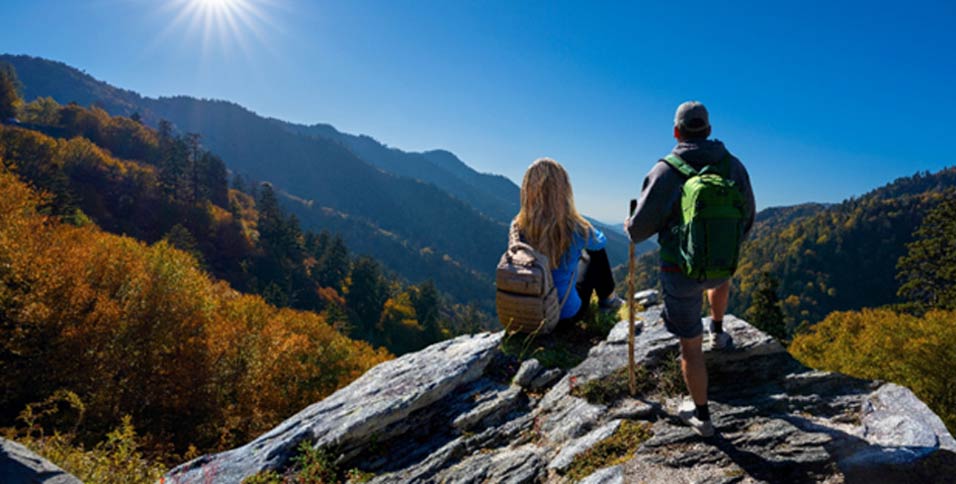
Many travelers now seek breaks that let them unplug. Natural settings help change the rhythm of daily life. Mountains, forests, and open landscapes encourage slower movement and deeper breathing. The Great Smoky Mountains are known for their dense forests and rich biodiversity. These natural features create an environment where visitors can disconnect from digital distractions and focus on rest.
The Restorative Power of Natural Landscapes
Spending time in nature has clear mental health benefits. Studies show that natural environments can reduce cortisol levels, the hormone associated with stress. When people walk through forests or sit near streams, their bodies often shift into a calmer state. Heart rate slows, breathing deepens, and mental tension gradually fades.
The concept of forest bathing highlights how simply being present in a wooded setting can support relaxation. It does not require intense activity. Slow walks, observing trees, or listening to birds can be enough to help the brain pause and recover from daily stimulation.
Mountain landscapes provide multiple restorative elements at once. Forest cover, changing elevation, flowing water, and open views all contribute to a calming environment. These features help travelers step away from the fast pace of daily life.
When travelers seek places to stay close to nature, Great Smoky Mountains cabins offer the ideal balance of comfort and immersion in the outdoors. Visit My Smokies is a local travel guide that lets visitors browse a wide selection of cabins across the region, helping them easily choose accommodations that match their preferences, group size, and overall vacation plans.
Breaking the Digital Tether: Why Remote Locations Improve Focus
One major advantage of mountain travel is distance from everyday distractions. In busy cities, phones buzz constantly, and work messages follow people everywhere. Remote environments naturally reduce that pressure. Fewer notifications often encourage travelers to spend less time on screens. When digital input decreases, the brain has more room to concentrate. Constant information trains the mind to switch tasks quickly, which contributes to mental fatigue. Stepping away from that stream allows focus to return more naturally.
Mountain retreats encourage activities that do not depend on technology. Walking trails, exploring scenic viewpoints, and relaxing outside become simple but meaningful ways to spend time. Even a few days without heavy screen use can reset mental habits. Many travelers return home with clearer thinking and stronger concentration.
Physical Restoration Through Mountain Air and Outdoor Exploration
Mountain environments support physical recovery in several ways. The air in forested regions is typically cleaner and cooler than in crowded urban areas. Trees release compounds called phytoncides that research suggests may help support immune health.
Outdoor exploration naturally encourages movement. Travelers often spend time walking trails, exploring overlooks, or visiting nearby waterfalls. These activities improve circulation and help release endorphins that boost mood and energy. Unlike structured exercise routines, these activities often feel relaxed and enjoyable. People move because they want to explore the landscape, not because they feel pressure to work out.
The Science of Silence: How Quiet Environments Heal the Nervous System
Daily life exposes people to constant background noise. Traffic, alarms, and crowded public spaces keep the nervous system alert. Over time, this steady stimulation can increase stress and make it harder to relax. Mountain environments offer a very different experience. Instead of loud urban sounds, visitors hear wind moving through trees, birds, and distant streams. These gentle sounds help the body relax.
Lower noise levels allow the nervous system to slow down. Research suggests that quiet environments can reduce stress responses and improve emotional balance. Silence also creates room for reflection. Without constant noise competing for attention, people often feel calmer and more mentally clear.
Choosing the Perfect Mountain Retreat for Your Travel Style
Travelers recharge in different ways. Some prefer cabins with scenic views and spacious interiors, where they can relax comfortably after exploring the outdoors. Others may choose secluded cabins surrounded by trees, where quiet and privacy take center stage. These peaceful spaces allow travelers to disconnect more easily from daily responsibilities.
Location is also important. Cabins close to trails, scenic overlooks, and outdoor activities can enhance the overall experience. Comfortable interiors, peaceful surroundings, and access to nature all contribute to a stay that supports relaxation and recovery.
Designing a Low-Tech Itinerary That Encourages Mindfulness
A mountain getaway often works best with a flexible schedule. Instead of filling every hour with activities, leaving time for quiet moments can make the experience more relaxing. Simple routines such as morning walks, journaling, or sitting outside to observe the landscape can help travelers feel more present.
Mindfulness practices like deep breathing or quiet reflection work especially well in natural settings. These habits encourage mental clarity and reduce stress. Limiting phone use during the trip can also improve the experience. Checking devices less often allows travelers to stay focused on their surroundings.
Reconnecting With Yourself and Loved Ones
Mountain trips create opportunities for deeper connection. Without constant digital interruptions, conversations often become more meaningful. Shared activities such as walking trails, preparing meals together, or watching the sunset help people spend quality time with fewer distractions. These moments create lasting memories. Travelers often remember the quiet experiences they shared more than busy schedules.
Mountain settings also support personal reflection. The slower pace allows people to reflect on their priorities and everyday routines. Many travelers return home feeling more balanced and connected to both themselves and the people around them.
Making Time to Recharge
Mountain travel offers meaningful benefits for both the mind and body. Natural landscapes help reduce stress, quiet surroundings calm the nervous system, and outdoor exploration encourages healthy movement. At the same time, stepping away from constant digital distractions allows people to regain focus and reconnect with others.
Choosing the right cabin, spending time outdoors, and keeping a simple schedule can turn a short trip into a powerful reset. Taking time to disconnect in the mountains reminds travelers how refreshing it can be to slow down and breathe deeply in a peaceful natural setting.