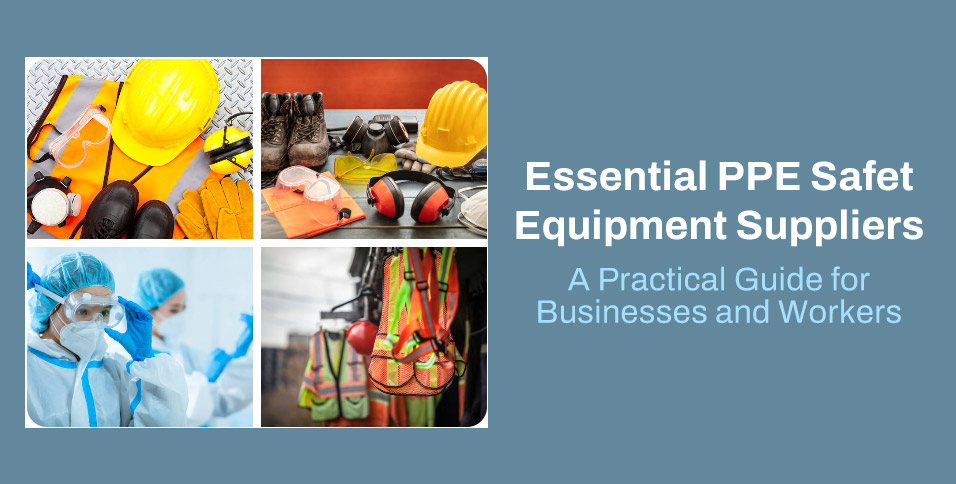
Personal Protective Equipment (PPE) plays a critical role in safeguarding workers across industries from hazards that could cause injury or illness. From construction sites to healthcare facilities, PPE is the last line of defense when hazards cannot be fully controlled through engineering or administrative measures.
Choosing the right ppe safety equipment suppliers can make all the difference in ensuring reliable protection, compliance with safety regulations, and overall workplace safety culture. In this blog post, we explore what to look for in PPE suppliers, key types of PPE, questions to ask before choosing a supplier, and tips to maximize safety and value.
Why PPE Matters in the Workplace
Workplace hazards vary widely depending on the industry, but the goal of PPE remains the same: to reduce risk when exposure to hazards cannot be eliminated. PPE includes items designed to protect the body, such as helmets, gloves, eye protection, high-visibility clothing, respiratory gear, and safety footwear. When properly selected and used, PPE helps prevent injuries such as cuts, burns, respiratory issues, eye damage, and more serious incidents. It also supports compliance with occupational health and safety standards set by authorities like OSHA, HSE, and others.
What to Look for in PPE Safety Equipment Suppliers
Quality and Certification
A reputable PPE supplier should offer products that meet recognized safety standards relevant to your region or industry. Look for certifications such as ANSI, EN, ISO, or specific regulatory approvals. Certified equipment ensures that the PPE has been tested and verified to perform as expected under standard conditions.
Range of Products
Different workplaces require different types of protection. A reliable supplier should provide a wide range of PPE to support diverse needs. This includes general protective gear like gloves and helmets, as well as more specialized equipment such as chemical-resistant apparel or high-performance respiratory masks.
Expertise and Support
Suppliers with knowledgeable staff can provide valuable guidance in selecting the right PPE for your specific hazards. They should be able to explain product features, limitations, fit considerations, and maintenance requirements. Good customer service is essential, especially when managing safety programs that involve multiple products and users.
Customization Options
Some industries have unique requirements that standard PPE cannot meet. Trusted suppliers may offer customization, such as tailored sizes, specific materials, or branding for corporate identity. Custom solutions help ensure comfort and compliance for specialized roles.
Delivery and Availability
Timely delivery is crucial, especially if you are stocking up for a large workforce or replacing worn-out equipment. Assess suppliers on their inventory levels, delivery options, and ability to handle large or recurring orders. Suppliers with efficient logistics reduce downtime and help maintain continuous protection.
Key Types of PPE and Their Uses
Head Protection
Helmets and hard hats protect workers from falling objects, electrical hazards, and impacts. Industries like construction, mining, and manufacturing rely heavily on head protection. Choosing the right helmet involves considering the type of hazard, fit, and additional features like chin straps or integrated face shields.
Eye and Face Protection
Safety glasses, goggles, and face shields guard against flying debris, chemical splashes, and radiation. Eye injuries can occur in workshops, laboratories, and healthcare settings. Suppliers should offer options with anti-fog coatings, UV protection, and prescription compatibility for workers who need vision correction.
Hearing Protection
Exposure to loud noise can cause permanent hearing damage. Earplugs and earmuffs help reduce sound levels in industrial environments, airports, and construction zones. Look for products with appropriate Noise Reduction Ratings (NRR) and comfortable designs for long-term use.
Respiratory Protection
Respirators and masks protect against airborne hazards like dust, fumes, and infectious agents. Selecting the right respiratory PPE involves understanding the type of contaminant, required filtration level, and fit testing requirements. Suppliers with expertise in respiratory safety can help match the correct equipment to workplace conditions.
Hand and Arm Protection
Gloves protect hands from cuts, chemicals, heat, and vibration. The right glove depends on the specific task—chemical-resistant gloves differ from impact-resistant or thermal gloves. A comprehensive supplier should provide options for various risk levels and materials such as nitrile, leather, and Kevlar.
Protective Clothing
High-visibility jackets, flame-resistant coveralls, and chemical suits protect the body and enhance visibility in hazardous environments. Protective clothing must balance safety with comfort to ensure workers wear it consistently. Quality materials, correct sizing, and proper labeling contribute to effectiveness.
Foot Protection
Safety boots and shoes with reinforced toes and slip-resistant soles are essential in environments with heavy objects, sharp materials, or slippery surfaces. Footwear suppliers should offer a range of safety ratings and comfort features for daily use.
Questions to Ask Potential PPE Suppliers
Before selecting a supplier, ask the following:
- Do your products meet recognized safety standards?
- Can you provide documentation and certificates for your PPE?
- What is your warranty or return policy?
- Do you offer expert consultation for selecting PPE?
- How do you handle large orders or recurring supply needs?
These questions help ensure the supplier is reliable, transparent, and aligned with your safety priorities.
Tips to Maximize PPE Effectiveness
Train Workers on Proper Use
Even the best PPE is only effective if workers know how to use it correctly. Provide training on donning, doffing, fit checks, and limitations of the equipment.
Conduct Regular Inspections
Inspect PPE regularly for signs of wear, damage, or expiration. Prompt replacement reduces the risk of failure during use.
Engage Workers in Selection
Comfort and usability influence whether workers consistently wear PPE. Get feedback from staff when choosing products to increase adoption and satisfaction.
Conclusion
Selecting the right PPE safety equipment suppliers is a strategic decision that directly impacts workplace safety, regulatory compliance, and employee confidence. By prioritizing quality, expertise, product range, and service, businesses can build robust safety programs that protect their most valuable asset—people. With proper selection, training, and maintenance, PPE becomes a powerful component of a proactive safety culture.