Custom T-shirts are an outlet for personal expression‚ a way to promote group identity‚ or an entry point for a custom apparel business‚ turning plain cotton into a clothing billboard for every cause․
Web Tools for Designing Your Own Shirts
Start your custom T-shirt journey with accessible web tools for designing your own shirts. These platforms provide intuitive drag-and-drop interfaces, vast template libraries, and instant mockups on various styles and colors.
You can upload your own images‚ add text effects‚ or create patterns with simple descriptions‚ without downloads․
They can also support layering‚ color calibration‚ and sizing previews‚ and allow all involved parties to collaborate and coordinate simultaneously․
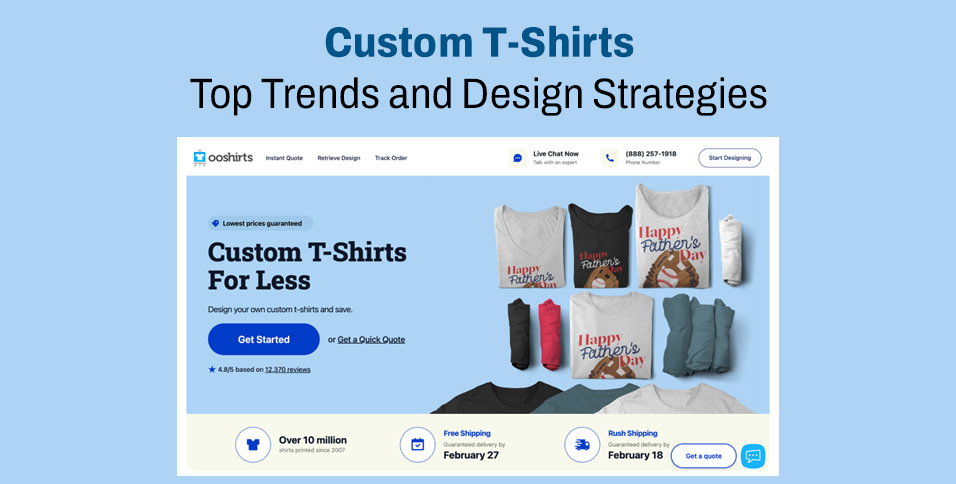
Export the final files in a print ready format to easily hand off your work and Ooshirts prints and ships your work․
Key Trends Shaping Custom T-Shirts
Current vibes lean toward bold‚ nostalgic‚ and sustainable designs that stand out in any crowd․
Retro Revival Styles
Distressed finishes and faded graphics recreate the cool of vintage finds‚ while vintage washes can be coordinated with graphics such as pixel art․
Because they come pre-worn‚ they are best suited for those who prefer a more relaxed fit․
Select oversized pieces to increase the effect‚ and layer subtle textures behind to create depth without clutter․
Bold Typography Focus
Large text makes your clothes into billboards‚ so big sans serif type is best for reading from afar․
Duotone schemes use two complementary colors‚ making them versatile against different backdrops․
Wrap the text around sleeves or hems for an organic look․
High-contrast prints stand out against a mostly neutral base․
Minimalist Statements
Less is more․
Clean lines‚ generous white space‚ and single icons or short phrases dominate to improve readability․
Monochrome palettes remain on trend year-round․
They are easy to scale from small to bulk productions‚ and are available to casual buyers and branded goods․
AI-Generated Creativity
The algorithm-driven patterns are unique and abstract’s fluid shapes and repetition give the images a a modern aesthetic․
Add hand-drawn touches as a way to make them real․
This is its own distinct practice‚ and speeds up ideation by testing variants to find winners․
Earthy Sustainable Vibes
Using organic colors like terracotta‚ sage green‚ and soft blues‚ alongside recycled textiles and water-based inks‚ makes the production process less harmful‚ and the hues become soft and mellow with age․
Consumers come here for feel-good fashion that’s built to last․
Fabric and Fit Essentials
Material choices elevate your design’s potential.
| Fabric Type | Ideal Trends | Key Benefits | Drawbacks |
| Cotton Blends | Retro, Typography | Soft, breathable, affordable | May shrink without prep |
| Performance Poly | Minimalist, Streetwear | Durable, moisture-wicking | Smoother texture limits vintage looks |
| Eco Recycled | Earthy Palettes | Sustainable, soft hand-feel | Slightly higher upfront cost |
| Tri-Blends | AI Patterns | Silky print surface, stretchy | Fewer base color choices |
Ring-spun cotton excels for discharge printing, mimicking faded authenticity.
Boxy, relaxed cuts provide canvas space for expansive art.
Always include detailed sizing charts with diverse model shots to minimize returns.
Step-by-Step Design Process
Craft pro-level results with this streamlined workflow.
1. Brainstorm and Sketch
Align concepts with your audience—retro for nostalgia fans, bold text for events. Jot rough ideas on paper or digitally. Define 3-5 core elements like color story and focal graphic.
2. Build Digitally
Use web tools to layer assets. Adjust opacity for subtle overlays. Preview on multiple shirt styles, from slim to oversized.
3. Refine for Print
Match complexity to method: gradients for direct-to-film, solids for screen. Ensure 300 DPI resolution. Test edge cases like dark fabrics needing underbase.
4. Prototype and Iterate
Order samples in varied sizes. Wear-test for comfort and wash durability. Tweak based on real feedback before scaling.
This method cuts errors and boosts satisfaction.
Production Best Practices
Efficiency turns ideas into reality.
- Prototype small to validate demand.
- Group similar colors for cost savings.
- Source pre-treated blanks to avoid shrinkage surprises.
Legal checks on motifs prevent headaches. Track waste and ink use for sustainable ops. Hybrid printing—screen for solids, DTG for details—handles diverse runs.
Styling and Marketing Ideas
Everyday Looks
Retro T-shirts pair well with high-rise denim‚ while minimalist T-shirts worn underneath waistcoats or jackets add an edge to the outfit․
Earthy tones tone down athleisure․
Event Merch
Event themes: typography cheers for teams‚ AI patterns for festivals․
Limited drops generate community hype․
Promotion Tactics
Present styling reels with real wear‚ and run design contests to generate user hype․
Post “before and after” mocks to show changes․
These shares come from posts like “10 Ways to Mix Trends․”
Stories connect us․
A tee did․
Advanced Techniques
Gradient ombres‚ which blend colors‚ are best for abstract styles․
Longline styles suit all-over prints that cover an entire garment․
Metallic elements provide luxury without bulk․
Intensely personal․
Family portraits turned into graphics․
Hand-drawn overlays inflected into digital underpinnings․
A warmth hybridized․
Embroidered edges contrast with flat printed images‚ creating textural interest․
Experiment by season; use brights in summer‚ warms in fall․
Scaling Your Custom T-Shirt Game
Start small‚ analyze sales‚ expand palettes․
Versatile blanks open up remixing hats and totes into collections․
Collect archive hits for seasonal revamps․
Consider community feedback to improve drops and highlight sustainability metrics․
Print Technique Breakdowns
Screen printing is better for solids in bulk‚ while DTG is best for detailed‚ on-demand prints․
Direct-to-film technology bridges the two with vinyl like durability․
Discharge inks are softer on the fabric․
Choose based on run size and level of detail․