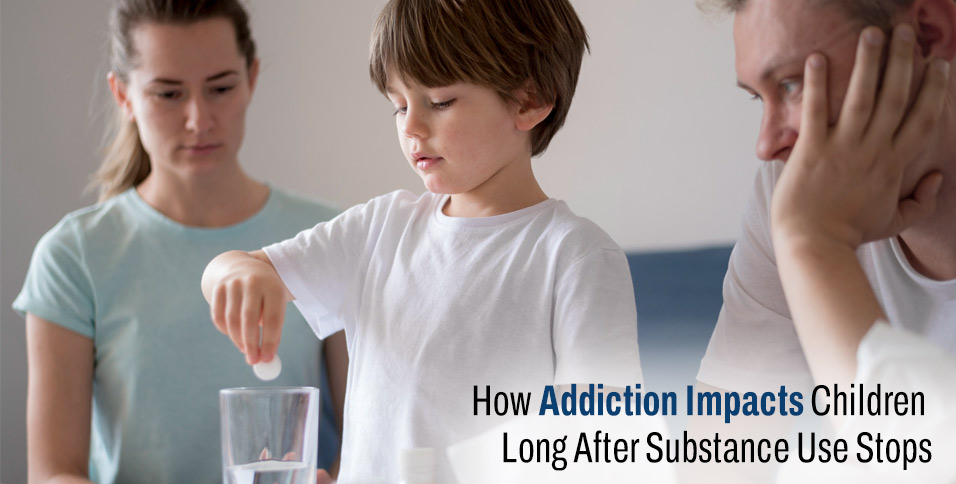
Addiction rarely affects only the person using substances. Its impact often ripples outward, shaping family dynamics, emotional development, and long-term well-being—especially for children. Even after substance use stops, the effects of growing up in an environment influenced by addiction can persist well into adulthood. Understanding these long-term impacts is essential for supporting children as they process past experiences and build healthier futures.
Children who grow up around addiction often carry invisible burdens. While recovery marks an important turning point for families, healing for children requires attention, validation, and ongoing support. Resources such as a children of addicts support group can play a meaningful role in helping young people navigate the lasting effects of parental substance use.
Growing Up in the Shadow of Addiction
Children raised in households affected by addiction often experience instability, unpredictability, and emotional stress. Daily routines may be disrupted by mood swings, absence, conflict, or inconsistent caregiving. Even when basic needs are met, emotional safety can feel uncertain.
Many children adapt by becoming hyper-aware of their surroundings. They may learn to anticipate problems, manage adult responsibilities prematurely, or suppress their own needs to avoid conflict. While these coping mechanisms can help children survive difficult environments, they may create challenges later in life.
Emotional and Psychological Effects That Persist
The emotional impact of addiction does not automatically disappear when substance use ends. Children may continue to struggle with feelings shaped by earlier experiences.
Trust and Attachment Challenges
When caregivers are inconsistent or emotionally unavailable, children may develop difficulty trusting others. This can affect friendships, romantic relationships, and professional interactions in adulthood. Fear of abandonment or rejection is common among individuals who grew up in unstable environments.
Anxiety and Hypervigilance
Many children of individuals with addiction learn to stay alert to potential danger. This heightened awareness can evolve into chronic anxiety, difficulty relaxing, or a constant sense of responsibility for others’ emotions.
Guilt and Self-Blame
Children often internalize addiction-related problems, believing they caused or should have prevented the substance use. These beliefs can persist long after sobriety begins, contributing to low self-esteem and shame.
Behavioral Patterns That Develop Over Time
Early experiences shape behavior. Children affected by addiction may carry learned patterns into adolescence and adulthood.
Some may become perfectionists, striving to maintain control in environments that once felt chaotic. Others may struggle with boundaries, either becoming overly responsible for others or avoiding responsibility altogether.
In some cases, unresolved trauma increases the risk of substance use or mental health challenges later in life. Without support, children may repeat familiar patterns simply because they are familiar, not because they are inevitable.
The Impact of Recovery on Children
When a parent or caregiver enters recovery, it can bring hope, relief, and new challenges. While sobriety improves safety and stability, it does not automatically resolve emotional wounds.
Children may feel confused by changing family roles or hesitant to trust that recovery will last. Open communication and consistency are critical during this transition. Acknowledging past harm without defensiveness helps children feel seen and validated.
Recovery is a family process, and children benefit when their experiences are recognized as part of that journey.
Long-Term Mental Health Considerations
Research consistently shows a strong connection between childhood experiences and adult mental health. Individuals who grow up in homes affected by addiction may face higher rates of anxiety, depression, and trauma-related symptoms.
According to information on substance use and family impact from the National Institute on Drug Abuse, adverse childhood experiences, including parental substance use, can influence emotional regulation, stress response, and health outcomes later in life. This underscores the importance of early and ongoing support for affected children.
Why Support Matters Even After Sobriety
One common misconception is that once substance use stops, children naturally recover as well. While a safer environment is essential, emotional healing often requires intentional support.
Children may not have the language to express their experiences or may feel loyalty conflicts that prevent them from speaking openly. Supportive environments help normalize these feelings and provide tools for understanding them.
Group-based support allows children to recognize they are not alone. Hearing similar stories can reduce shame and foster connection.
How Support Groups Help Children Heal
Support groups tailored for children impacted by addiction offer a space where experiences are validated without judgment. These groups focus on emotional expression, coping skills, and building resilience.
Key benefits include:
- Learning healthy ways to express emotions
- Understanding addiction as an illness, not a personal failure
- Developing boundaries and self-care skills
- Building peer connections rooted in shared understanding
Support groups also help children separate their identity from their family’s struggles, reinforcing that they are not defined by addiction.
The Role of Caregivers and Communities
Caregivers in recovery play a critical role in supporting children’s healing. Consistency, accountability, and openness create a foundation for rebuilding trust. Seeking family counseling or child-focused support demonstrates a commitment to long-term healing.
Schools, healthcare providers, and community organizations also play important roles. Educators who recognize behavioral signs of stress and respond with compassion can make a lasting difference. Communities that help accessible support services reduce isolation for affected children.
Breaking the Cycle for Future Generations
One of the most powerful outcomes of supporting children impacted by addiction is the potential to break intergenerational cycles. When children learn healthy coping strategies and develop emotional awareness, they are better equipped to make different choices as adults.
Healing does not erase the past, but it can reshape the future. With the right support, children can transform difficult experiences into sources of strength, empathy, and resilience.
Supporting Healing Beyond Sobriety
Addiction may end with sobriety, but its effects on children often linger unless addressed with care and intention. Recognizing these long-term impacts is a vital step toward meaningful healing. By providing children with validation, education, and supportive spaces, families and communities can help ensure that recovery truly includes everyone it touches. When children are supported beyond the moment substance use stops, they gain the opportunity to heal, grow, and build lives defined not by addiction, but by resilience and connection.